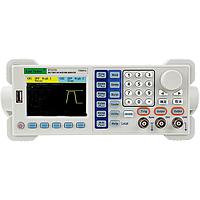
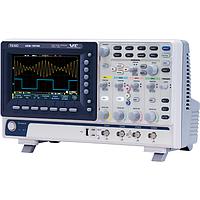
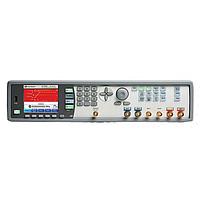
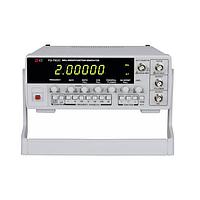
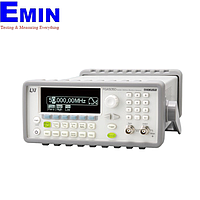
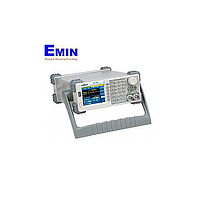
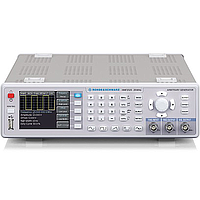
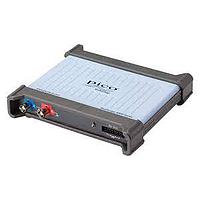
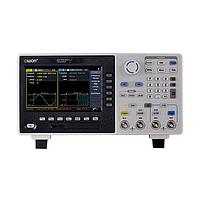
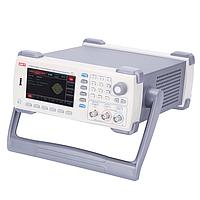
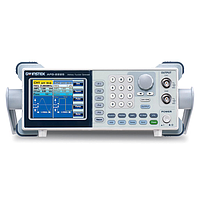
Test signal generator, function generator
Stable signal sources are essential in electronics design, verification, maintenance, and laboratory troubleshooting. When a generator drifts, produces distorted waveforms, or no longer meets expected output behavior, test results become less reliable and downstream decisions can be affected. This is why Test signal generator, function generator inspection services are important for teams that depend on repeatable waveform output in development benches, production support, and service environments.
This category covers inspection support for signal-generation equipment used across general-purpose electronic testing and more specialized RF or pulse-related applications. It is relevant for users working with waveform simulation, circuit excitation, timing checks, frequency response testing, and instrument performance verification before calibration, repair, or continued use.
Why inspection matters for signal generators
Signal generators are often treated as reference tools within a test setup, so any issue with amplitude, frequency stability, waveform integrity, modulation behavior, or output connectivity can influence the entire measurement chain. An inspection service helps identify whether the instrument is operating normally, shows signs of wear, or requires further action before it is used in critical testing.
For B2B users, this process supports better asset control and reduces the risk of hidden instrument errors. It is especially useful when evaluating older bench equipment, checking incoming units, reviewing devices after heavy use, or preparing generators for calibration and maintenance planning.
Equipment typically covered in this category
This category focuses on inspection services for test signal generators and function generators used in electronics and measurement environments. In practice, this can include general waveform sources, pulse-oriented instruments, and systems used to create controlled electrical signals for validation, simulation, and diagnostic work.
Where the application requires narrower specialization, users may also need related services such as electrical and electronic meter inspection service for complementary bench instruments. For broader test setups involving non-standard devices, specialty meter inspection can also be relevant.
Common inspection focus points
An effective inspection typically looks at the overall operating condition of the generator rather than treating it as a simple power-on check. This may include review of signal output behavior, front-panel response, connector condition, display status, basic control functionality, and consistency across operating modes that are expected from the instrument class.
For function generators and related signal sources, attention is often given to waveform quality, output stability, and whether the unit behaves consistently across normal working ranges. In RF-oriented or impulse applications, the inspection may be more focused on signal generation integrity and practical readiness for use in a lab or service workflow.
- General operating condition and instrument responsiveness
- Output behavior consistency during normal use
- Visible signs of wear, damage, or connector issues
- Readiness for continued operation, repair assessment, or next-step calibration
Representative brands and service examples
This category includes inspection service examples associated with widely used test and measurement manufacturers. Depending on the instrument type in your facility, users may encounter service options for brands such as KEYSIGHT, TEKTRONIX, Rohde & Schwarz, BKPRECISION, GW INSTEK, PICO, KIKUSUI, and METRIX.
Typical examples from the available scope include the KEYSIGHT RF Signal Generator Inspection Service, TEKTRONIX RF Signal Generator Inspection Service, GW INSTEK Impulse Generator Inspection Service, PICO Impulse Generator Inspection Service, and Rohde & Schwarz Impulse Generator Inspection Service. These examples help illustrate that the category serves both general electronic signal sources and more application-specific generator platforms.
How to choose the right inspection service path
The most suitable service path depends on the role of the generator in your workflow. If the device is used for RF testing, communication system verification, or signal chain evaluation, an RF-focused inspection route may be the better fit. If the unit is used for waveform generation in general electronics work, product validation, or educational and laboratory setups, a standard function or test signal generator inspection is usually more appropriate.
It also helps to consider whether the instrument issue is operational, performance-related, or part of a wider bench-equipment review. In mixed environments, inspection planning may be coordinated with adjacent service categories such as mechanical measuring instruments inspection service or gas detector and meter inspection service when multiple equipment groups are managed together.
Where these services are useful in real operations
Inspection support for signal generators is relevant across R&D laboratories, electronics manufacturing, maintenance departments, technical training centers, and third-party service organizations. In these environments, generators may be used daily to stimulate circuits, validate response behavior, test timing, or simulate operating conditions during troubleshooting.
A structured inspection process is also helpful for companies managing multiple brands and instrument generations in one asset base. Rather than assuming every device performs correctly because it powers on, teams can use inspection as a practical step to identify anomalies early and prioritize which units should remain in service, be repaired, or move on to a more formal verification process.
What users should prepare before requesting inspection
To make the inspection process more efficient, it is useful to identify the instrument type, brand, and observable symptoms in advance. Notes such as unstable output, missing waveform modes, damaged connectors, intermittent controls, or startup irregularities help define the scope and improve turnaround in technical evaluation.
If available, provide the model context, current usage condition, and whether the unit is part of a larger test station. This makes it easier to align the inspection approach with real operating needs rather than treating every generator in the same way. For organizations with recurring service requirements, a consistent inspection workflow can also support maintenance planning and equipment lifecycle management.
Supporting reliable test environments
Choosing the right inspection service for signal generators is ultimately about protecting the quality of your test process. Whether you are using a general-purpose function generator, an RF signal source, or an impulse generator, early inspection helps clarify equipment condition before it affects product validation, troubleshooting accuracy, or service efficiency.
This category is designed to support buyers and technical teams looking for a practical entry point into generator assessment across recognized instrument brands and application types. If you are reviewing test assets, replacing uncertain bench equipment, or organizing service for multiple instruments, this section provides a useful starting point for more informed decisions.
Get exclusive volume discounts, bulk pricing updates, and new product alerts delivered directly to your inbox.
By subscribing, you agree to our Terms of Service and Privacy Policy.
Direct access to our certified experts