Weighing Indicator
In load cell and force measurement systems, the indicator is the point where sensor signals become usable process data. A suitable weighing indicator does more than display a value on the front panel; it helps operators monitor weight, supports stable measurement, and can connect weighing data to control, recording, or automation tasks.
This category brings together indicators used in weighing, load cell, and force-related applications across industrial equipment, testing setups, and production environments. From compact panel units to higher-speed controllers and RF-based display solutions, the range is intended for users who need clear readout, dependable signal handling, and practical interface options.
Where weighing indicators fit in a measurement system
A weighing indicator typically receives the low-level signal from one or more load cells, processes that signal, and presents the result in a readable form. Depending on the application, it may also provide analog output, serial communication, comparison functions, or external I/O for integration with larger control systems.
In practice, indicator selection depends on the full measuring chain. If your system also requires signal conversion for PLC or controller input, it may be useful to review related devices such as load cell transmitters. For installations focused on direct operator readout and weighing functions, a dedicated indicator is often the more practical choice.
Common types of weighing indicators in this category
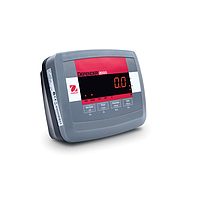
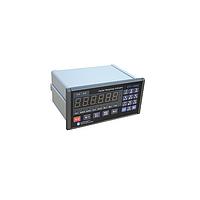
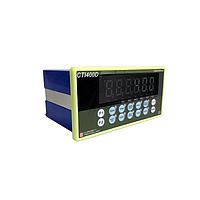
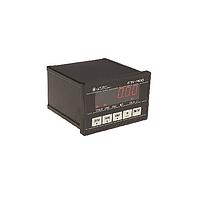
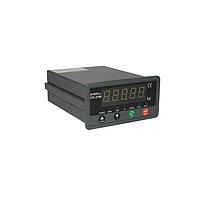
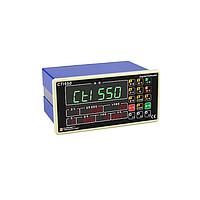
The products shown here cover several common use cases. Standard digital weighing indicators are designed for general-purpose weight display and routine industrial measurement. Models such as the CURIOTEC CTI-2300, CTI-3000, CTI-400, CTI-410, and CTI-480E illustrate this class well, with differences in display size, mounting style, interface options, and intended installation environment.
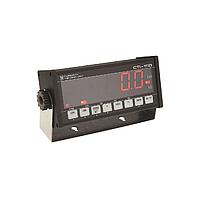
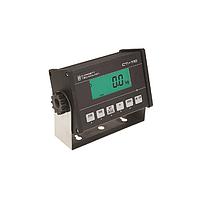
There are also more specialized units. The CURIOTEC CTI-100 and CTI-1110P are digital weight indicators suited to load cell-based weighing tasks, while the CURIOTEC CTI-3000S is positioned more as a high-speed controller for applications where response, comparison output, or communication functions matter alongside display. For mobile or remote operation, RF-based products such as the CURIOTEC CTF-100 RF Indicator and TF-400 RF Indicator expand how weighing data can be viewed in the field.
Typical features users compare before selecting a model
One of the first points to review is input compatibility. In load cell applications, users usually check excitation voltage, supported input signal range, number of load cells that can be connected, and measurement sensitivity. These factors influence whether the indicator will match a single-platform scale, a multi-load-cell structure, or a more specialized force measurement setup.
Display style is another practical consideration. Some installations benefit from compact panel indicators, while others need larger digits for long-distance viewing. For example, the CTI-1110P uses a larger LCD character size than the CTI-100, which may be advantageous where visibility is important. Units such as the CTI-2300 and CTI-3000 are also relevant when front display size and operator readability are part of the requirement.
Communication and output options should not be overlooked. Depending on the process, users may need analog output, RS-232C, RS-485, Modbus RTU, Ethernet, or external digital I/O. These functions can be essential when weight values need to be sent to a PLC, logged to another device, or used for sorting, dosing, or alarm logic.
Examples from leading manufacturers in this range
CURIOTEC is strongly represented in this category with a broad selection of weighing indicators for standard, high-speed, panel-mounted, remote, and RF-based applications. The lineup includes compact display units, larger-format indicators, and controllers with broader integration capability, which helps users compare solutions within a single ecosystem.
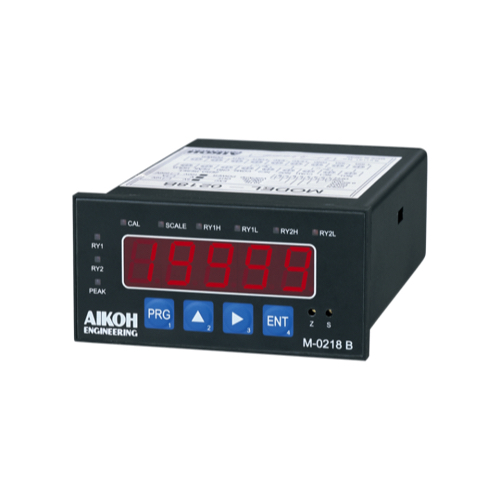
Aikoh appears here with the 0218B Digital Indicator, a model built around millivolt-per-volt signal input and analog output capability. For users working with force and strain measurement rather than only conventional weighing, this type of product can be useful where signal handling and display need to remain close to the load cell domain.
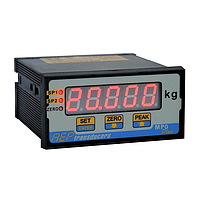
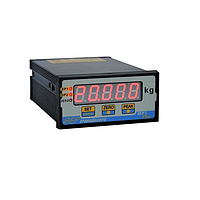
AEP Transducers is also a relevant manufacturer in the broader category context, especially for force and strain measurement applications where indicator choice may need to align with sensor and instrumentation strategy across the system.
How to choose the right weighing indicator
A practical starting point is to define whether the indicator is for display only, for local operation, or for control and communication. If the requirement is mainly stable weight display on a machine or platform scale, a standard weighing indicator may be enough. If the indicator must trigger outputs, support comparison logic, or exchange data with upstream equipment, a more advanced model is usually the better fit.
Next, check the electrical and installation conditions. Power supply, panel cutout or enclosure size, operating temperature, and environmental constraints all matter in industrial settings. Portable or battery-powered workflows may point toward RF or mobile-style indicators, while fixed machine panels often favor compact DIN-style units with serial or analog connectivity.
It is also helpful to consider the surrounding instrumentation. Some projects need a complete signal chain that may include strain meters or related force-measurement devices, especially when the application extends beyond straightforward weighing into test benches, press force monitoring, or process measurement.
Application scenarios for industrial weighing indicators
Weighing indicators are used in platform scales, hopper and tank systems, checkweighing stations, batching equipment, test rigs, and vehicle-related weighing setups. In each case, the role of the indicator is to convert raw load cell output into stable, readable, and actionable information for operators or control systems.
Higher-speed or more configurable units can be valuable in automated lines where measurement has to support comparison, sorting, or repetitive process control. Meanwhile, remote-display and wireless models are useful when the weighing point and the operator position are physically separated. In broader force-related measurement work, related accessories and interfaces may also be needed, which is why some users review peripheral devices alongside the indicator itself.
Choosing with long-term system use in mind
For many B2B buyers, the right decision is not simply about the display on the front panel. It is about how well the indicator supports calibration, daily operation, integration, maintenance, and future expansion. A model with suitable communication options and enough signal flexibility can reduce later changes when the line or machine is upgraded.
This category is therefore best viewed as a selection of interfaces between the load cell and the wider process. Whether you need a straightforward digital display, a compact panel indicator, a wireless readout, or a more capable controller, the most effective choice is the one that matches the actual measurement method, installation conditions, and data flow requirements of your system.
If you are comparing options for a new installation or replacing an existing indicator, focus first on load cell compatibility, display needs, output requirements, and integration method. That approach will usually narrow the shortlist quickly and make it easier to identify the most suitable weighing indicator for your application.
Get exclusive volume discounts, bulk pricing updates, and new product alerts delivered directly to your inbox.
By subscribing, you agree to our Terms of Service and Privacy Policy.
Direct access to our certified experts