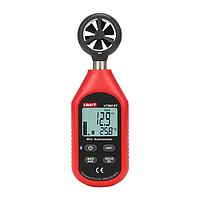
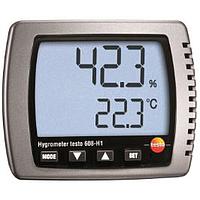
Air environment meter
Choosing the right instruments for air monitoring often starts with a simple question: what needs to be measured, and in what environment? In industrial facilities, laboratories, clean spaces, HVAC systems, and occupational safety programs, air conditions can directly affect process stability, product quality, compliance, and worker safety. A well-structured selection of air environment meters helps users monitor gas concentration, airflow, humidity, temperature, particles, noise, and other critical parameters with better confidence.
This category brings together instruments used to evaluate indoor and industrial air conditions across a wide range of applications. Whether the requirement is routine environmental checking, spot measurement, continuous monitoring, or support for troubleshooting, these devices form an important part of the broader environmental measurement landscape.
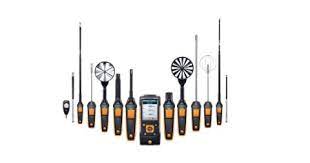
Where air environment meters are used
Air monitoring is relevant in many technical settings, from production workshops and warehouses to research labs, utility rooms, pharmaceutical spaces, and building management systems. Different environments create different risks: poor ventilation, gas leaks, unstable humidity, suspended dust, or temperature drift can all influence operations and safety outcomes.
Because of that, this category typically serves users who need practical tools for environmental condition assessment. Common use cases include HVAC verification, indoor air quality checks, process-area surveillance, workplace exposure screening, compressed air and gas testing support, and maintenance diagnostics.
Main measurement needs within this category
Air environment meters are not limited to one type of instrument. In practice, users may be looking for handheld meters, fixed monitoring devices, transmitters, samplers, or application-specific detectors depending on the target parameter and the installation method. Some instruments are intended for quick field readings, while others are designed for continuous monitoring or integration into broader control systems.
Typical measurement needs in this category include:
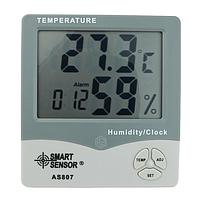
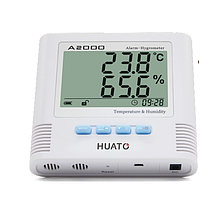
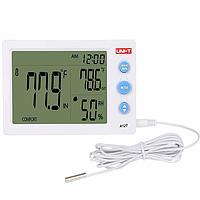
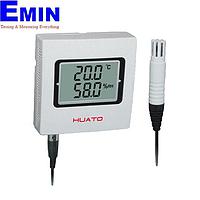
- Temperature and humidity monitoring for storage, production, and comfort control
- Airflow and ventilation checks in ducts, rooms, and process areas
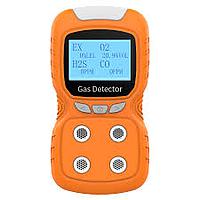
- Gas detection for toxic, combustible, refrigerant, or specialty gases
- Particle and dust assessment in clean or contaminated environments
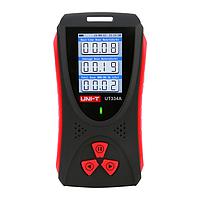
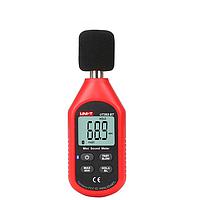
- Noise, radiation, heat stress, and solar exposure in occupational or environmental surveys
For applications focused more specifically on airborne contaminants or gas concentration, users may also review related sections such as gas analyzers or fixed monitoring solutions where continuous surveillance is required.
How to choose the right air environment meter
The most effective way to select an instrument is to start from the measurement objective rather than the product format. A technician checking room comfort conditions has very different needs from an EHS team monitoring toxic gas exposure or a maintenance engineer tracing refrigerant leakage. Defining the target parameter, expected range, response time, and operating conditions helps narrow the options quickly.
It is also important to consider whether the task requires spot checks, data logging, portable use, or permanent installation. For example, a handheld meter may be suitable for commissioning and inspections, while a transmitter or fixed detector is more appropriate for continuous process or safety monitoring. In environments where more than one variable matters, a multi-parameter air meter can simplify field work and reduce the need to carry separate devices.
Portable testing, fixed monitoring, and application-specific devices
One of the strengths of this category is the breadth of instrument types available for different workflows. Portable devices support commissioning, maintenance rounds, building inspections, and safety spot checks. They are often chosen when users need flexibility, fast deployment, and measurements at multiple points during a single job.
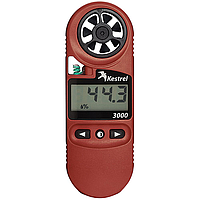
Fixed systems and transmitters are more suitable where continuous data is required. These are commonly used in plant rooms, manufacturing spaces, gas storage zones, laboratories, and ventilation systems. Application-specific instruments, such as refrigerant gas detectors, sound level meters, weather meters, or particle counters, are selected when the monitoring task is tightly defined and demands a more specialized sensing method.
Typical buyers and decision criteria in B2B environments
Air environment meters are commonly specified by maintenance teams, EHS managers, laboratory personnel, HVAC contractors, facility engineers, and system integrators. Each group tends to evaluate equipment from a different perspective. Some prioritize safety and compliance, while others focus on repeatable measurement, ease of calibration, portability, or compatibility with existing monitoring workflows.
In B2B purchasing, the decision usually depends on a combination of factors: the target medium, required accuracy, expected sensor life, alarm and output needs, portability, and serviceability over time. Where air quality is linked to broader site conditions, it may also be useful to compare requirements with adjacent categories such as water and liquid testing for facilities that manage both air and utility quality as part of the same environmental program.
Manufacturers and product ecosystem
This catalog includes equipment from a range of recognized suppliers used in industrial and technical applications. Depending on the measurement principle and intended use case, buyers may compare compact electronic sensor solutions, integrated monitoring hardware, portable test instruments, and laboratory-grade systems from brands such as Anton Paar, 3M, Advantech, Analog Devices, Adafruit, and others represented in the wider portfolio.
Some listed products in the broader database may also support advanced gas and material characterization workflows. For example, instruments such as the Anton Paar Nova 800, Nova 600, Autosorb 6200, Autosorb 6300, ChemBET Pulsar, or iSorb HP series are highly specialized analytical systems related to gas interaction and material analysis. These are useful references within the overall ecosystem, but they serve a different purpose from general field air monitoring and should be chosen only when the application specifically requires laboratory sorption or chemisorption analysis.
Why category-level selection matters
Many users arrive at this page before they know the exact model they need. A category-level view is useful because it supports comparison by task: gas detection, airflow verification, comfort monitoring, environmental surveying, or contamination control. This approach helps avoid overbuying a specialized instrument for a simple check, or under-specifying a device for a critical safety application.
It also makes it easier to build a more complete measurement workflow. A site may need portable screening tools for maintenance teams, fixed detectors for continuous protection, and specialist instruments for validation or investigation. Looking across the category helps identify those gaps early and select tools that match real operating conditions.
Find the right fit for your monitoring workflow
The right air monitoring setup depends on how measurements are taken, how often they are needed, and what decisions will be made from the data. For some users, a simple handheld device is enough for routine checks. For others, the requirement may involve permanent gas monitoring, airflow diagnostics, dust surveillance, or multi-parameter environmental logging.
By exploring this air environment meter category with the application in mind, it becomes easier to filter the options and focus on instruments that support practical, repeatable results. If your workflow spans indoor air, process gases, or broader site conditions, this category provides a strong starting point for selecting the most appropriate monitoring equipment.
Get exclusive volume discounts, bulk pricing updates, and new product alerts delivered directly to your inbox.
By subscribing, you agree to our Terms of Service and Privacy Policy.
Direct access to our certified experts