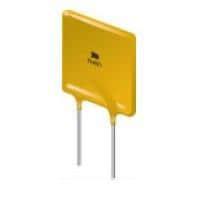
Resettable Fuses
Protecting electronics from overcurrent is no longer just about replacing a blown component after a fault. In many compact devices, control boards, communication modules, and automotive electronics, engineers often prefer protection that can react to abnormal current and then recover once the fault is removed. That is where resettable fuses fit naturally into modern circuit protection strategies.
On this page, you can explore resettable fuse options for applications that need reusable overcurrent protection, space-efficient installation, and practical integration into OEM and maintenance workflows. The range is especially relevant for low-voltage electronic designs where serviceability, board space, and repeated fault events all matter.
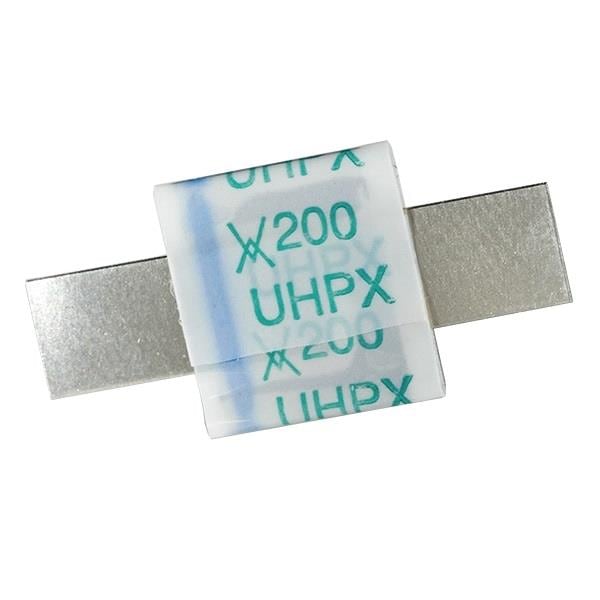
How resettable fuses are used in electronic protection design
A resettable fuse is designed to increase its resistance sharply when current rises beyond a defined threshold. Instead of opening permanently like a conventional one-time fuse, it enters a protective state that limits current flow and helps protect downstream components. After power is removed and the device cools, it can return toward its normal low-resistance condition.
This behavior makes them useful in products exposed to temporary faults such as short circuits, overload events, wiring mistakes, or repeated inrush-related stress. They are widely considered in consumer electronics, industrial control boards, communication equipment, battery-connected circuits, and some automotive-related designs.
When resettable fuses make sense compared with other fuse types
Selection depends on how the circuit is expected to fail and how the product is serviced. If the priority is simple replacement after a severe fault, other fuse technologies may be more appropriate. If the system may experience intermittent overloads and needs to return to service without replacing a part, a resettable solution can be a better fit.
For engineers comparing protection approaches across product families, it can also be useful to review related categories such as SMD fuses for compact board protection or automotive fuses for vehicle-oriented power circuits. The right choice usually depends on reset behavior, fault energy, mounting method, and service expectations.
Common formats: surface-mount and through-hole options
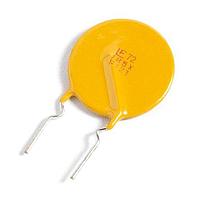
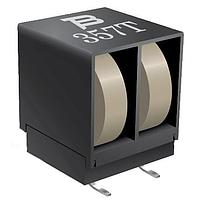
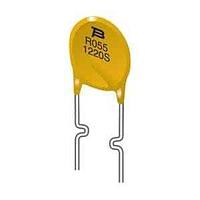
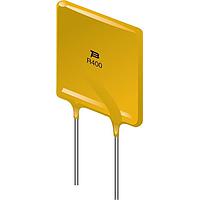
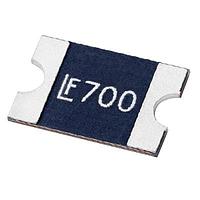
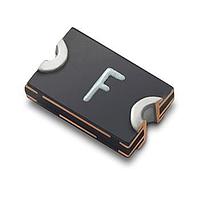
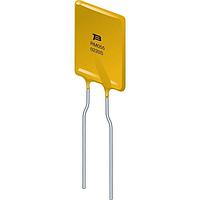
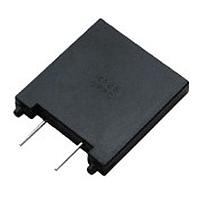
In practical design work, resettable fuses are often chosen first by package style. Surface-mount resettable fuses are common in densely populated PCBs where automated assembly and compact layout are priorities. Through-hole versions remain relevant where mechanical stability, legacy board layouts, or specific power handling expectations are important.
Examples in this category reflect both approaches. The Littelfuse NANOSMDCH075F-02 and Littelfuse SMD150F/33-2 are relevant references for surface-mount applications, while the Bourns MF-R030-0-99 illustrates a through-hole radial style often used where board-level robustness and easy integration are needed. These examples help show the range of installation styles rather than serving as a one-size-fits-all recommendation.
Key selection criteria for resettable fuse specification
The most important parameters usually include hold current, trip current, maximum operating voltage, mounting type, and the expected ambient temperature range. Hold current indicates the level the device can carry in normal operation, while trip current indicates when it is expected to transition into its protective high-resistance state. These values need to be considered in the context of real operating conditions, not only nominal circuit current.
Temperature is particularly important because resettable fuse behavior is thermally influenced. A part that performs well at room temperature may respond differently inside a sealed enclosure or near heat-generating components. Designers should also consider resistance in normal operation, post-trip behavior, and how quickly the protected system is expected to recover after the fault is removed.
For compact electronics, package size can be as important as electrical rating. Devices such as the Bourns MF-R030-0-99 or the Littelfuse SMD150F/33-2 show how mechanical format and current characteristics both shape the selection process. In applications with stricter single-event interruption requirements, a conventional solution from the broader fuse protection range may still be worth comparing during design review.
Examples of resettable fuse options in this range
This category includes parts from established manufacturers used in electronic circuit protection. Littelfuse is represented by models such as NANOSMDCH075F-02 and SMD150F/33-2, both relevant where polymer PTC behavior and board-level reset capability are required. Bourns MF-R030-0-99 is another useful example for low-voltage protection scenarios using a radial package.
Although this page is focused on resettable devices, some buyers also compare them with one-time chip fuse options in similar board-level environments. Products such as PANASONIC ERBF8E433JYV, Eaton SS-5F-500MA-AP, and Vishay MFU0402FF01600E100 help illustrate the difference between reusable protection and sacrificial overcurrent protection. That comparison is often valuable when balancing maintenance needs, downtime, and fault severity.
Typical application areas
Resettable fuses are commonly considered in data lines, power inputs, battery-powered equipment, I/O protection, and embedded electronic assemblies that may face temporary overload conditions. They can be useful in products that must tolerate occasional user error or repeated connection cycles without frequent field replacement of protection parts.
They are also relevant in some automotive and mobility-related electronics where low-voltage circuits need compact protection and repeated fault recovery is beneficial. However, engineers should always verify that the electrical, thermal, and environmental conditions of the end application match the device rating and intended use.
Choosing the right manufacturer and product family
Manufacturer selection in this category is usually driven by availability, package preference, qualification needs, and long-term design consistency. Brands such as Bourns, Eaton, Littelfuse, PANASONIC, and Vishay are often evaluated when buyers need dependable sourcing across different protection approaches, from polymer resettable devices to chip fuses and other board-level components.
If you are comparing supplier ecosystems for broader circuit protection sourcing, manufacturer pages such as Bourns can help when standardizing parts across multiple projects. This is especially useful for OEM procurement teams and engineers building approved vendor lists for recurring production.
Practical buying guidance for B2B procurement
For purchasing teams, the best starting point is usually the application profile rather than the part number alone. Define the normal load current, expected fault condition, reset requirement, installation method, and operating environment. That approach makes it easier to narrow down whether a polymer PTC device is suitable or whether a conventional fuse type should remain the preferred option.
For engineering-led procurement, it also helps to compare several devices side by side based on current behavior, package style, and integration constraints. A thoughtful selection process reduces redesign risk and improves consistency across prototypes, pilot builds, and production orders.
Resettable fuses are a practical choice when a circuit needs reusable overcurrent protection and predictable recovery after temporary faults. By reviewing package format, current characteristics, thermal conditions, and application context together, buyers and design teams can identify a solution that fits both the circuit and the service model more effectively.
Get exclusive volume discounts, bulk pricing updates, and new product alerts delivered directly to your inbox.
By subscribing, you agree to our Terms of Service and Privacy Policy.
Direct access to our certified experts