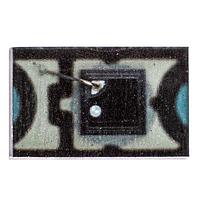
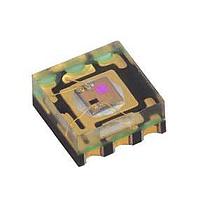
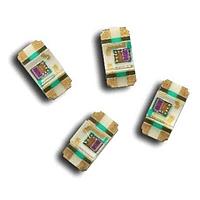
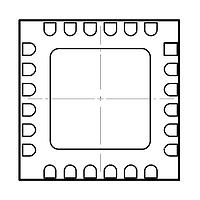
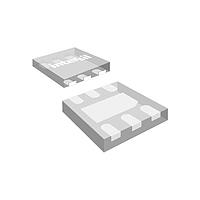
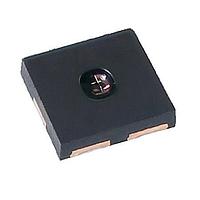
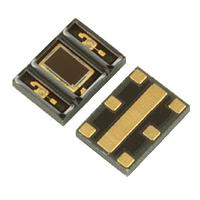
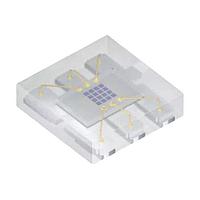
Ambient Light Sensors
Accurate light measurement is essential in many electronic and industrial environments, especially where systems need to respond automatically to changing brightness. From display backlight control and energy-saving functions to smart building devices and embedded control systems, ambient light sensors help equipment detect surrounding illumination and make reliable real-time adjustments.
On this category page, you can explore components designed to measure incident light levels for integration into automation, monitoring, and electronic product designs. These sensors are widely used when engineers need stable light-dependent input without relying on manual calibration or fixed operating assumptions.
Where ambient light sensors are commonly used
Ambient light sensing is often selected when a system must adapt to environmental conditions rather than operate at one constant setting. Typical use cases include automatic brightness control in displays, lighting management in commercial spaces, handheld or portable devices, and control panels that need to remain readable under different lighting conditions.
In industrial and commercial electronics, these devices can also support energy optimization by helping controllers adjust illumination only when needed. In broader sensing architectures, they may work alongside devices such as air quality sensors or motion-based controls to improve comfort, safety, and operational efficiency in connected systems.
What these sensors measure and why it matters
An ambient light sensor is designed to detect the intensity of surrounding visible light and convert it into an electrical signal that can be processed by a controller, processor, or embedded system. The goal is not simply to detect the presence of light, but to provide a usable measurement that reflects environmental brightness in a meaningful way.
This matters because human-facing systems often need to respond differently in bright daylight, indoor office lighting, low-light conditions, or shaded environments. A well-matched light sensing solution helps improve visibility, reduce unnecessary power consumption, and support more consistent product behavior across changing use conditions.
Selection factors for engineering and design teams
Choosing the right device depends on how the sensor will be integrated into the final system. Engineers typically evaluate response behavior, measurement range, interface compatibility, package format, and how closely the sensor response aligns with visible light conditions expected in the application.
Physical installation also matters. Sensor placement, enclosure material, optical window design, and nearby light sources can all affect performance. In compact electronics and industrial assemblies, it is often important to consider how ambient light measurement will interact with neighboring sensing functions, such as color sensors when optical characteristics must be interpreted more precisely.
Integration in automation and embedded systems
Ambient light sensors are frequently used in systems that need automatic adjustment without adding unnecessary complexity. In embedded designs, the sensor output may be used to control display intensity, trigger dimming behavior, or contribute to adaptive operating logic based on surrounding conditions.
For industrial automation and smart device development, integration usually involves balancing sensing accuracy with board space, power requirements, and signal processing needs. Suppliers in this category include established manufacturers such as ams OSRAM, Analog Devices, Banner Engineering, Broadcom, ROHM Semiconductor, Silicon Labs, and STMicroelectronics, each relevant in applications where dependable optoelectronic or mixed-signal sensing is required.
How ambient light sensors fit into a broader sensing strategy
Light measurement is often only one part of a complete environmental sensing design. In building controls, kiosks, smart devices, and industrial interfaces, ambient light data may be combined with occupancy, air, tilt, or flow-related information to create more responsive and efficient systems.
For example, projects involving environmental monitoring may benefit from reviewing related technologies such as flow sensors & pitot tubes when airflow conditions influence system operation, or inclinometer-based feedback where orientation affects light exposure and device behavior. This broader view can be useful when selecting components for multi-sensor platforms rather than isolated functions.
Manufacturer ecosystem and sourcing considerations
This category includes products from recognized semiconductor and sensing manufacturers with experience in industrial, embedded, and electronic component supply chains. Depending on the design objective, buyers may prioritize optical performance, integration simplicity, lifecycle considerations, or compatibility with existing electronics platforms.
Brands such as ams OSRAM, Analog Devices, Banner Engineering, Broadcom, Molex, ROHM Semiconductor, Silicon Labs, and STMicroelectronics are commonly evaluated when teams need trusted sources for sensor components. For procurement and engineering teams, comparing manufacturer ecosystems can also help streamline qualification, documentation review, and longer-term maintenance planning.
Finding the right option for your application
The most suitable choice depends on the operating environment, the control logic behind the system, and the level of measurement consistency required by the application. A sensor used for consumer-style display dimming may be selected differently from one intended for industrial interfaces, building controls, or embedded equipment exposed to varied lighting conditions.
When narrowing down options, it helps to think in terms of the end-use scenario: where the sensor will be mounted, how quickly the system should react, what other sensors are present, and how the measured light data will be interpreted. That approach leads to a more practical selection process than comparing parts only by category name.
Conclusion
Ambient light sensing plays an important role in making electronic and industrial systems more adaptive, efficient, and user-friendly. Whether the goal is automatic brightness adjustment, smarter energy use, or better environmental awareness in embedded designs, this category supports a wide range of integration needs.
Explore the available ambient light sensors based on your application context, interface requirements, and installation constraints. A carefully selected component can improve both system responsiveness and long-term usability without adding unnecessary design complexity.
Get exclusive volume discounts, bulk pricing updates, and new product alerts delivered directly to your inbox.
By subscribing, you agree to our Terms of Service and Privacy Policy.
Direct access to our certified experts