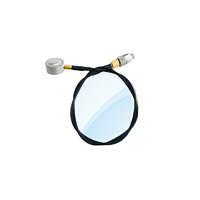
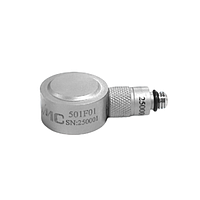
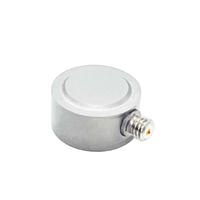
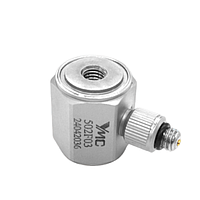
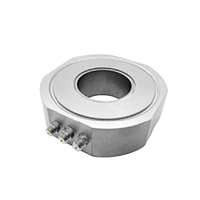
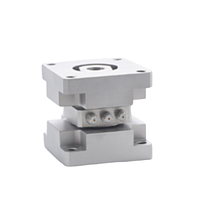
Load cell
Accurate force and weight measurement is essential in batching systems, tank weighing, material testing, packaging lines, and many other industrial processes. When the application depends on repeatable readings and stable signal output, choosing the right load cell category matters not only for measurement accuracy, but also for system reliability, integration effort, and long-term maintenance.
This category brings together load cell solutions used in industrial sensing and automation environments where mechanical force must be converted into a usable electrical signal. Whether the goal is to monitor static weight, detect overload conditions, or feed measurement data into a control system, the selection process should consider installation conditions, expected load range, output requirements, and environmental influences.
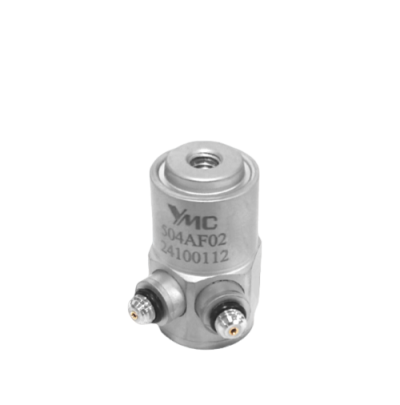
Where load cells are used in industrial systems
A load cell is commonly applied wherever force, tension, compression, or weight needs to be measured with consistency. Typical use cases include platform scales, hopper and silo weighing, process dosing, conveyor monitoring, press force verification, and laboratory or production test setups. In automation projects, these sensors often serve as a critical input for closed-loop control, quality checks, and process traceability.
In many installations, the sensor is only one part of a larger measurement chain. Signal conditioning, controller compatibility, mounting hardware, and mechanical alignment all influence final performance. If the application also requires monitoring of related process conditions, it can be useful to review complementary sensing technologies such as flow sensors and pitot tubes for fluid systems or inclinometers where tilt or structural position affects measurement accuracy.
How load cells work in practical terms
Most load cells convert a mechanical load into an electrical signal that can be measured and interpreted by instrumentation or automation equipment. In practical industrial use, this means that a force applied to a structure is translated into a signal suitable for weighing indicators, transmitters, PLC input chains, or data acquisition systems. The value of the sensor lies in its ability to provide repeatable output under real operating conditions rather than under ideal lab assumptions alone.
For buyers and engineers, the key point is that sensor performance depends on more than rated capacity. Mechanical loading direction, mounting rigidity, off-center forces, vibration, temperature variation, and cable routing can all affect the result. A well-matched load cell helps reduce drift, improves repeatability, and simplifies calibration over the life of the installation.
Important selection criteria
The first step is defining the measurement task: is the system measuring weight, compression force, tensile force, or overload? From there, capacity range, installation geometry, and expected accuracy should be reviewed together. Choosing an oversized sensor may reduce resolution, while an undersized one can compromise safety and service life.
Environmental conditions are equally important. Dust, washdown exposure, temperature changes, shock loading, and continuous duty can all influence the suitability of a given device. Electrical considerations also matter, especially when the load cell must connect to transmitters, controllers, or broader automation networks from manufacturers such as SIEMENS or sensor and control ecosystems from Omron Automation and Safety.
It is also worth confirming signal compatibility early in the project. In many industrial installations, issues arise not from the sensor itself but from the interface between the sensor, amplifier, indicator, and control cabinet. A clear view of the full signal path helps avoid rework during commissioning.
Considering the application environment
Load cells often operate in conditions that are mechanically and electrically demanding. Shock, side loading, mounting misalignment, or structural movement can introduce errors that are easy to underestimate during design. For that reason, application context should always guide sensor choice more than catalog form alone.
In process plants and production lines, the surrounding environment may include humidity, airborne particles, or fluctuating temperatures. These factors influence not only sensor stability but also cable integrity, enclosure requirements, and maintenance planning. In mixed sensing installations, users may also compare measurement needs with adjacent categories such as air quality sensors when environmental monitoring is part of the same industrial system.
Leading manufacturers in this category
This category is supported by recognized industrial and sensing brands with experience across measurement and automation applications. Depending on the system architecture, buyers may look at solutions and related product ecosystems from Honeywell, Honeywell Test & Measurement, OMEGA, TE Connectivity, TE CONNECTIVITY SENSORS, Alps Alpine, Panasonic Industrial Automation, Qorvo, and others listed for this range.
For applications where broader measurement instrumentation is part of the project scope, OMEGA is often relevant in discussions around signal handling, monitoring, and test-oriented integration. Likewise, manufacturers such as Honeywell and TE Connectivity are commonly considered in industrial sensing environments where consistency, interface compatibility, and system-level reliability are important purchasing criteria.
Integration with automation and control systems
In modern factories, load cells rarely work as isolated devices. Their signals may feed into indicators, transmitters, edge monitoring systems, PLCs, SCADA platforms, or industrial PCs for logging and control. That makes integration planning just as important as sensor selection, especially when the application must support alarms, batching logic, recipe control, or traceable production data.
Successful implementation usually depends on matching the sensor with the right electronics and installation method. Shielding, grounding, calibration access, and serviceability should all be reviewed early. In projects that combine multiple sensor types, load measurement may sit alongside optical or environmental sensing, such as color sensors for inspection tasks in automated production lines.
What to compare before purchasing
Before choosing a device from this category, it helps to compare a few practical factors: expected load range, available installation space, mechanical loading direction, required output handling, and the level of repeatability needed by the process. These points often have more impact on day-to-day performance than headline specifications viewed in isolation.
It is also useful to think ahead about calibration, replacement, and expansion. A load cell used in a standalone test bench may have very different priorities from one installed in a continuous production environment. By evaluating the full application, buyers can narrow the selection to solutions that are easier to install, maintain, and integrate into the wider automation system.
Choosing the right load cell for long-term performance
The right choice in this category depends on balancing measurement needs with real installation conditions. Capacity, mechanical design, signal integration, and environment all need to align if the system is expected to deliver stable results over time.
For engineers, maintenance teams, and procurement professionals, a well-selected load cell supports more than measurement alone—it contributes to process control, equipment protection, and dependable production data. Exploring the available range with the application in mind is the most practical way to identify a suitable solution for industrial force and weight measurement.
Get exclusive volume discounts, bulk pricing updates, and new product alerts delivered directly to your inbox.
By subscribing, you agree to our Terms of Service and Privacy Policy.
Direct access to our certified experts