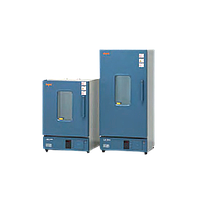
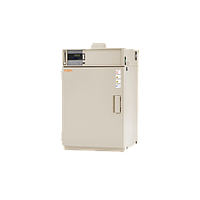
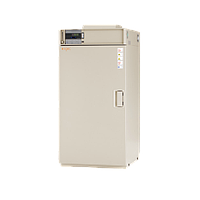
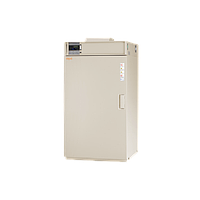
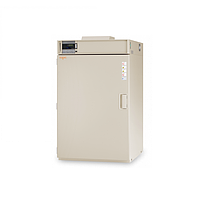
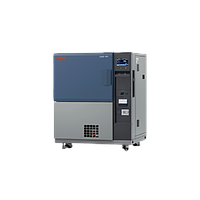
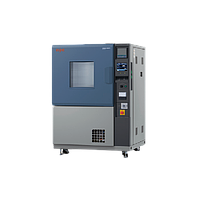
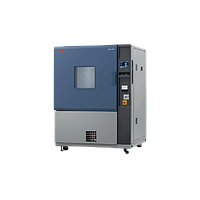
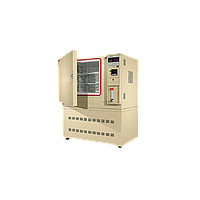
Drying Cabinet, Drying oven
Consistent heat, controlled airflow, and stable chamber conditions are essential when samples, glassware, or laboratory tools need to be dried without introducing unnecessary variation. In many labs, a drying cabinet or drying oven is used not only for moisture removal, but also for routine thermal processing where repeatability matters.
This category brings together laboratory drying ovens suited to everyday bench work and larger-volume workflows. Whether the priority is compact footprint, chamber visibility, data handling, or higher loading capacity, the right oven depends on what is being dried, how often it is processed, and how tightly temperature conditions need to be managed.
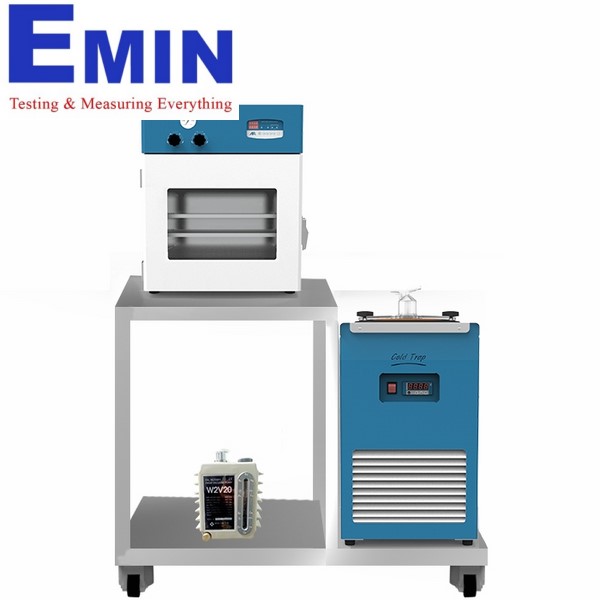
Where drying ovens are used in laboratory workflows
Drying ovens are common in research laboratories, quality control rooms, pharmaceutical environments, food testing, materials testing, and general industrial labs. Typical tasks include drying glassware, conditioning samples before measurement, removing residual moisture from components, and performing heat exposure steps that require a stable chamber temperature.
They are also useful when operators need a simpler thermal process than incubators or specialized environmental systems. For laboratories that work alongside other handling equipment, related items such as lab carts and trolleys can support safe movement of trays, tools, and prepared samples between workstations.
Natural convection design and why it matters
Most featured products in this category are natural convection ovens. In this design, heated air circulates through the chamber without forced fan movement. That makes the airflow pattern gentler, which can be helpful for applications where direct air disturbance is undesirable or where a straightforward drying process is preferred.
Natural convection models are widely chosen for routine laboratory drying, thermal holding, and general-purpose heating up to 250℃. They are often a practical fit for glassware, metal tools, powders in suitable containers, and samples that do not require the faster heat transfer associated with forced-air circulation.
For laboratories building a broader setup, oven selection is often considered together with basic safety and handling practices, including suitable laboratory apparel for hot-surface work and sample preparation.
Key selection factors before choosing a drying cabinet
The first point to compare is chamber volume. In this category, representative models range from compact 26 L units to 58 L, 110 L, and 147 L capacities. Small chambers are usually easier to place on crowded benches and are suitable for lower daily throughput, while larger ovens provide more shelf space for batch work and can reduce the need for repeated cycles.
The second factor is temperature performance. The listed JEIOtech models operate from ambient +15℃ up to 250℃, which covers many common laboratory drying tasks. In practice, buyers should also pay attention to temperature fluctuation and chamber variation, especially when process consistency affects downstream weighing, inspection, or analytical results.
Door configuration is another practical choice. A window door allows visual checking without opening the chamber, while a solid door may be preferred when visibility is not necessary and users want a simpler enclosure. Shelf quantity, maximum shelf loading, power requirements, and available communication interfaces can also influence day-to-day usability.
Representative models in this category
Several JEIOtech units illustrate how this category serves different capacity needs. The JEIOtech lineup includes compact options such as the JEIOTECH ON4-03V and JEIOTECH ON4-03VW at 26 L, mid-size choices like the JEIOTECH ON4-05S, ON4-05V, and ON4-05VW at 58 L, and larger models including the ON4-10V, ON4-10VW, ON4-15V, and ON4-15VW.
For users who need chamber visibility, models such as JEIOTECH ON4-10VW and JEIOTECH ON4-15VW provide a window door. Where a solid door is more suitable, ON4-10V and ON4-15V are representative alternatives. Some models in the range also provide TFT color LCD control, USB-B connectivity, and RS-232 communication, which can be useful for documentation and repeatable operating procedures.
The chamber volumes shown across these models make the category relevant for both low-volume routine drying and larger batch handling. If the lab also performs heating with open flames or localized thermal work, related equipment such as burners and torches may sit alongside ovens in the wider workflow, though the process purpose is different.
Control, monitoring, and operating convenience
Modern drying ovens are no longer only basic heated boxes. Depending on model, operators may have access to color LCD interfaces, stored event records, temperature graph viewing, CSV data storage, and communication ports for integration with laboratory documentation practices. These features are especially useful in environments where repeat runs need to be reviewed or shared across teams.
Another convenience feature is the recommended temperature or saved-setting concept found on some models, which helps reduce setup time for repetitive tasks. This can be valuable in QC laboratories and production support labs where similar drying cycles are performed every day.
From an operating perspective, shelf arrangement also matters. Standard shelves with additional expansion capacity allow users to adapt the chamber layout for bottles, trays, instruments, or containers with different heights. That flexibility is often just as important as nominal chamber size.
How to match oven size and features to your application
A small oven such as a 26 L class unit is often suitable for limited bench space, low sample volume, or occasional drying tasks. A 58 L model may fit laboratories that need more usable chamber space without moving to a floor-standing footprint. For higher throughput, the 110 L and 147 L classes provide more room for multi-shelf loading and better support routine batch handling.
If operators need to observe items during the cycle, a window-door configuration can improve convenience. If the process is standardized and observation is unnecessary, a solid-door model may be a practical option. Labs that place strong emphasis on reporting and traceability may also prefer ovens with broader logging and communication functions over simpler interfaces.
Brand preference can be relevant as well. Besides JEIOtech, this category context also highlights manufacturers such as Binder and ESPEC, which are often considered when buyers compare laboratory thermal equipment across different workflows and facility standards.
Choosing a drying oven for long-term lab use
For B2B buyers, the best choice is usually the model that aligns with actual process requirements rather than the largest chamber or the most advanced panel. A reliable drying oven should fit the expected sample load, provide suitable temperature stability for the task, and support the way the laboratory documents, monitors, and handles daily work.
This category is designed for laboratories that need dependable thermal drying equipment with practical capacity options and familiar control features. By comparing chamber size, door type, control interface, and data functions, it becomes easier to select a drying cabinet or drying oven that supports consistent operation now and scales sensibly with future workload.
Get exclusive volume discounts, bulk pricing updates, and new product alerts delivered directly to your inbox.
By subscribing, you agree to our Terms of Service and Privacy Policy.
Direct access to our certified experts