Lab Filtration Apparatus
Reliable sample preparation often depends on how efficiently liquids can be separated, clarified, or collected before the next analytical step. In microbiology, chemistry, environmental testing, and general laboratory workflows, the right filtration setup helps improve consistency, reduce handling time, and support cleaner downstream results. This is why choosing a suitable Lab Filtration Apparatus matters not only for filtration speed, but also for compatibility with solvents, sample volume, membrane size, and routine cleaning requirements.
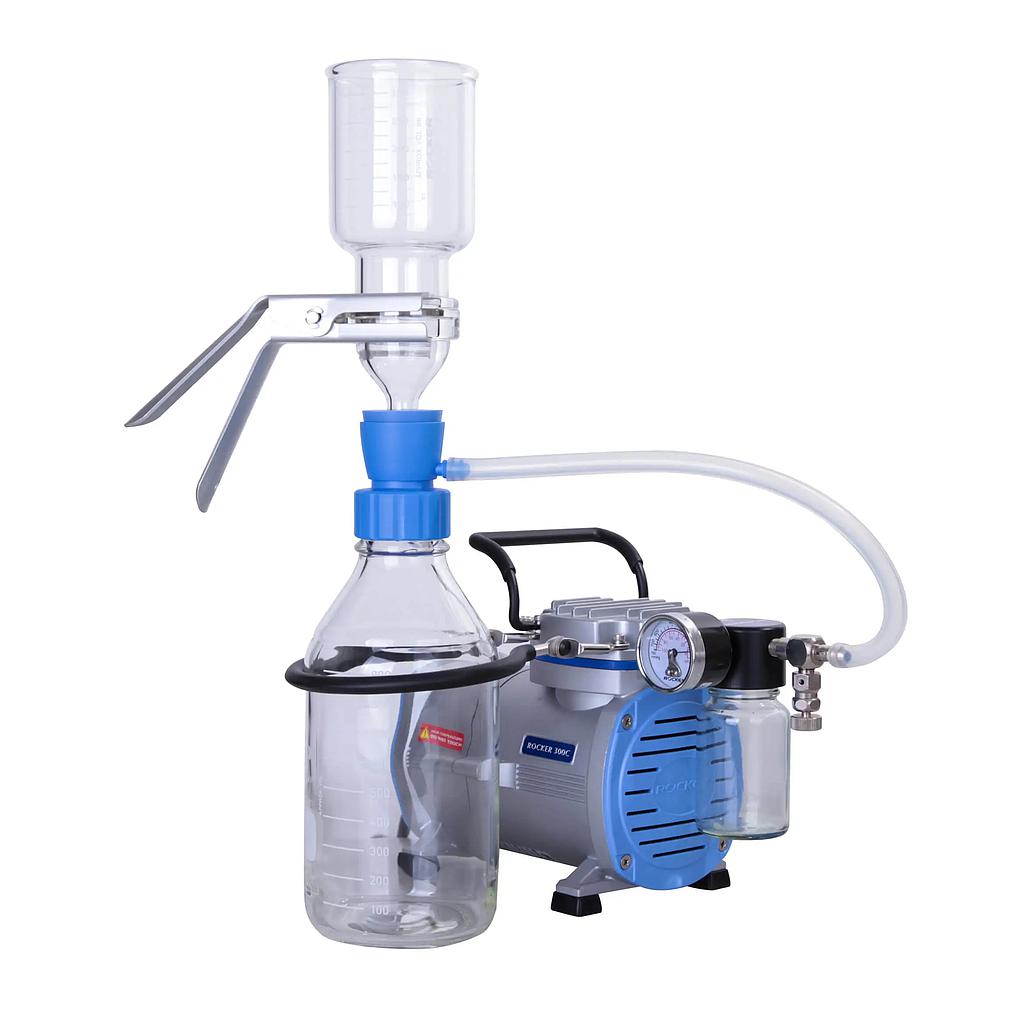
Where lab filtration apparatus is commonly used
Laboratory filtration systems are widely used when a process requires separation of particles from liquids, membrane-based sample preparation, or collection of residues for further examination. Typical use cases include microbiological testing, reagent preparation, particulate removal, and general liquid handling tasks in quality control and research environments.
Depending on the workflow, users may need a compact manual filtration assembly, a complete vacuum filtration system, or a material-specific setup designed for chemical resistance or easier sterilization. The category therefore covers more than a single format; it includes different apparatus designs intended to match practical bench work rather than a one-size-fits-all approach.
Common configurations in this category
Many laboratories select filtration apparatus based on the relationship between funnel capacity, receiver bottle size, membrane diameter, and whether vacuum assistance is required. A common format in this category is the 47 mm membrane-based setup, which is widely used for routine filtration and sample preparation across different lab environments.
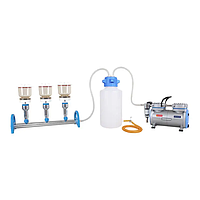
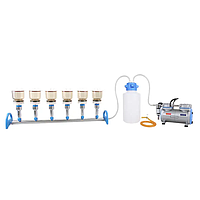
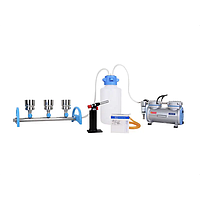
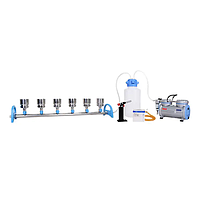
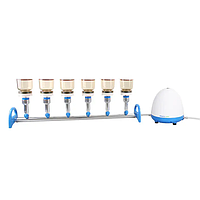
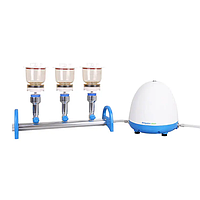
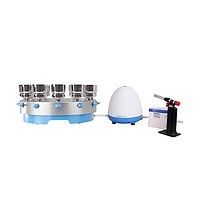
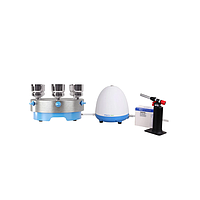
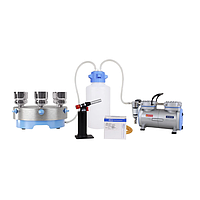
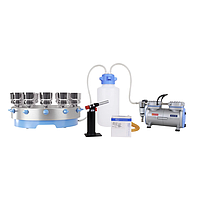
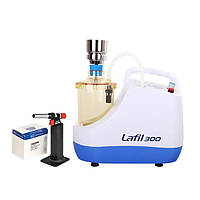
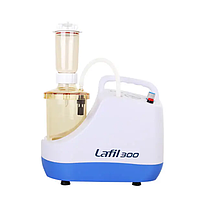
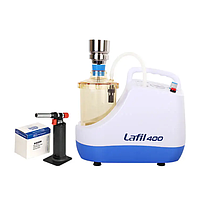
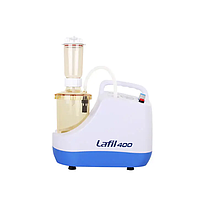
For example, the WITEG Lafil 400 Vacuum Filtration System Set combines a vacuum source with filtration components in one package, making it suitable for users who want a more integrated bench solution. Other products focus on the filtration assembly itself, such as the Advantec KGS-47 Vacuum Filtration and several Rocker sets with glass, PES, or stainless steel construction.
Users comparing brands may also want to explore dedicated manufacturer pages such as Rocker laboratory filtration products or WITEG laboratory equipment for a broader view of available configurations.
Material selection and why it affects performance
One of the most important selection points is material compatibility. In this category, available constructions include borosilicate glass, PES, polycarbonate, polypropylene, and stainless steel SUS316 or SS316. Each material supports different operating priorities, whether that is visibility during filtration, chemical resistance, durability, or ease of cleaning.
Glass filtration sets such as the Rocker VF 14 Glass Filtration Set are often preferred when visual monitoring and classic laboratory handling are important. PES-based assemblies such as the Rocker MF 30 or MF 31 can be useful where lightweight construction and practical routine use are priorities. Stainless steel options like the Rocker SF 10 and SF 30 are relevant for applications where robustness and mechanical durability are more important.
The choice should also consider the sample itself. Aggressive chemicals, repeated sterilization cycles, or contamination-sensitive workflows can all influence whether glass, polymer, or stainless steel is the better fit.
How to choose the right filtration setup
A practical selection process usually starts with four questions: what volume needs to be filtered, what membrane diameter is required, what material is compatible with the liquid, and whether vacuum assistance is necessary. These factors have a direct impact on throughput, user convenience, and the overall stability of the filtration workflow.
For smaller-volume or routine membrane filtration, a compact apparatus may be enough. For higher-throughput work or repeated daily use, a complete system with a vacuum source and overflow protection can help improve workflow efficiency. In this category, examples include WITEG Lafil 400 configurations offering up to -720 mmHg vacuum and 22 l/min flow rate, while filtration sets from Rocker and Advantec provide different combinations of funnel size, receiver capacity, and construction materials.
It is also worth checking details such as drain device availability, overflow protection, and bottle capacity. These features can influence bench cleanliness and ease of operation, especially in laboratories processing multiple samples in sequence.
Examples of apparatus types available
This category includes a useful spread of apparatus styles for different laboratory habits. The Advantec KGS-47 Vacuum Filtration is a more classic filtration assembly built around a graduated funnel and support components for 47 mm filter paper applications. It suits users looking for a straightforward setup focused on the filtration stage itself.
Rocker provides several alternatives within the same ecosystem. The MF series includes polymer-based filtration sets in 300 mL formats, while the LF series adds options such as larger funnel capacity or overflow protection. The VF 14 emphasizes glass construction, and the SF series uses stainless steel for users who need a more rugged assembly. This variety makes it easier to compare designs based on cleaning preference, sample type, and expected frequency of use.
For buyers who want to compare another specialist source, the Advantec product range can provide additional context for laboratory filtration assemblies and compatible formats.
Key points to evaluate before ordering
When reviewing products in this category, it helps to focus on the specifications that affect actual use instead of only comparing brand names. Useful checkpoints include funnel capacity, receiver bottle volume, supported filter diameter, hose connection size, and whether the apparatus includes accessories such as lids, clamps, adaptors, or overflow protection.
- Sample volume: Match funnel and bottle capacity to your routine filtration batch size.
- Membrane format: Confirm compatibility with the filter diameter used in your lab workflow.
- Construction material: Choose glass, polymer, or stainless steel according to chemical exposure and cleaning requirements.
- Vacuum operation: Decide whether you need a full vacuum-assisted system or only a filtration assembly.
- Bench practicality: Consider drain options, bottle handling, and protection against overflow.
In many labs, these practical details matter more than broad marketing descriptions because they directly affect usability, reproducibility, and maintenance over time.
Supporting a more consistent laboratory workflow
Filtration is rarely an isolated task. It often sits alongside sample transfer, heating, mixing, and safe operator handling. For that reason, procurement teams and lab users sometimes review surrounding equipment categories at the same time, such as laboratory apparels for safer handling practices or lab blenders when sample homogenization is part of the preparation process.
Looking at the broader workflow can help avoid mismatches between filtration capacity and the rest of the process. A well-chosen apparatus should fit naturally into the laboratory routine, from sample preparation through collection, transfer, and cleaning.
Final considerations
The best approach to selecting a lab filtration apparatus is to align the setup with your actual sample type, filtration frequency, membrane format, and preferred construction material. Within this category, options from Advantec, Rocker, and WITEG cover a range of needs, from simple filtration assemblies to more complete vacuum-based systems.
By focusing on application fit rather than generic product claims, buyers can narrow the shortlist more effectively and choose equipment that supports reliable daily work. If you are comparing units on this page, start with volume, material, and vacuum requirements first; these usually determine which apparatus will be the most practical for your laboratory.
Get exclusive volume discounts, bulk pricing updates, and new product alerts delivered directly to your inbox.
By subscribing, you agree to our Terms of Service and Privacy Policy.
Direct access to our certified experts