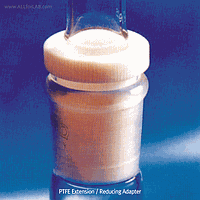
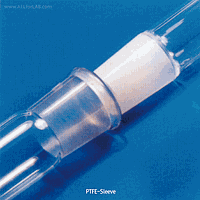
Distillation & extraction
Reliable separation and sample preparation often depend on using the right glassware and supporting labware for heating, condensing, collecting, and transferring liquids. In many laboratories, distillation & extraction tools are selected not only for chemical compatibility, but also for workflow consistency, safety, and the level of volume control required during routine work.
This category brings together labware commonly associated with purification, solvent recovery, liquid-liquid separation, and analytical preparation steps. Whether the application is academic research, industrial QC, environmental testing, or general laboratory handling, choosing suitable components helps reduce losses, improve repeatability, and support cleaner process results.
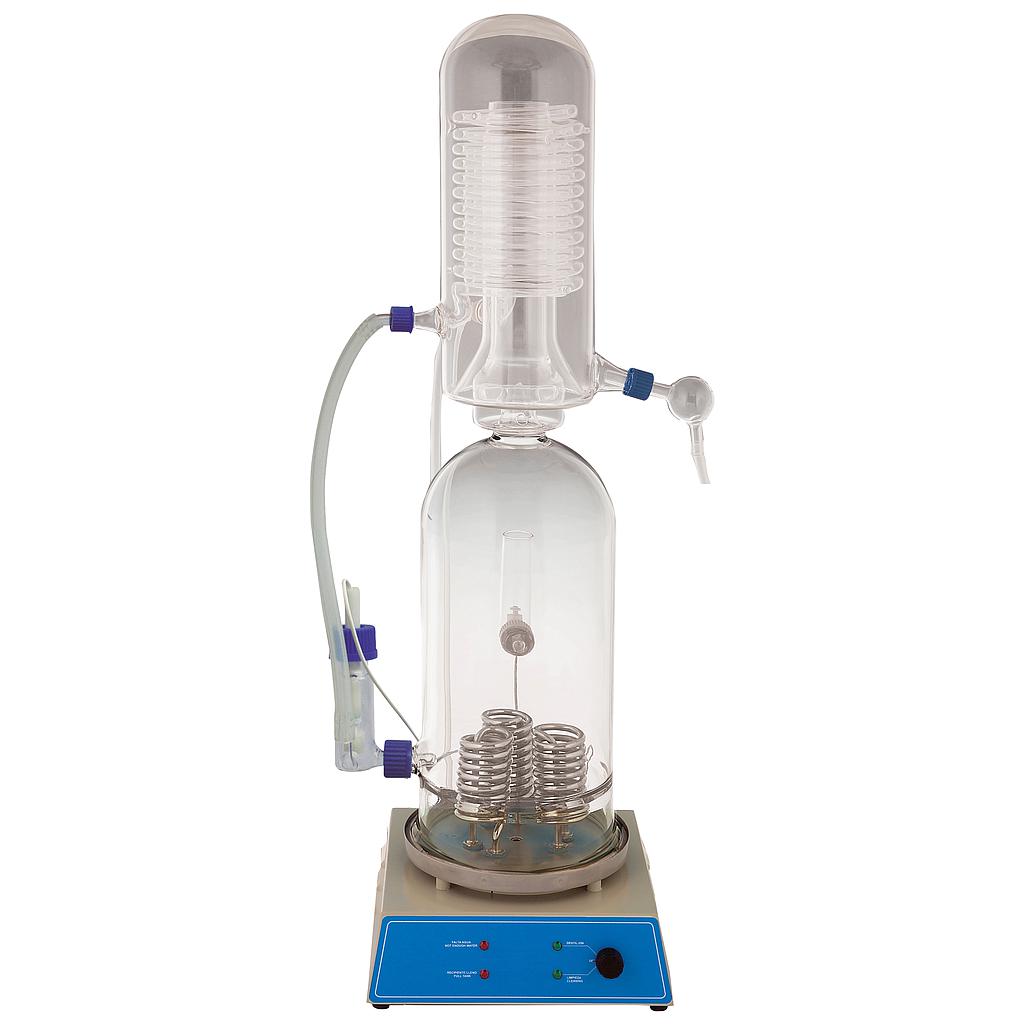
Where distillation and extraction labware is used
Distillation is typically applied when components need to be separated based on differences in volatility, while extraction is used when a target compound is transferred into a preferred solvent or phase. In practice, both techniques appear in a wide range of laboratory environments, from solvent purification and sample cleanup to educational demonstration and process development.
Because these procedures usually involve multiple handling steps, the surrounding labware ecosystem matters as much as the main vessel itself. Collection containers, transfer tools, and supporting accessories all influence how accurately liquids are measured and moved through the process.
Key considerations when selecting equipment
For this type of category, the best choice usually depends on the working volume, the nature of the solvent, sterility requirements, and whether the operation is exploratory or routine. Laboratories handling small analytical quantities may prioritize fine volume control, while larger batch work may focus more on throughput and practical handling.
Another factor is whether contact parts are intended for sterile or non-sterile use. Sterile disposable components can help reduce contamination risk in sensitive sample preparation, whereas non-sterile options may be sufficient for general-purpose transfer, reagent handling, or non-critical liquid movement. Material compatibility, ease of replacement, and integration with existing workflows should also be reviewed before purchase.
Supporting transfer tools in distillation and extraction workflows
Although distillation and extraction are often associated with condensers, flasks, and receiving vessels, accurate transfer accessories are equally important. Syringe tips, for example, can support controlled liquid collection, dosing, or transfer during preparation and post-process handling, especially when technicians need to move specific amounts without unnecessary spillage.
Within this category context, DaiHan products offer examples of both sterile and non-sterile syringe tip formats for different lab routines. Models such as the DaiHan WI.5.385.252 sterile 0.5㎖ tip, WI.5.385.255 sterile 5.0㎖ tip, and WI.5.385.258 sterile 50㎖ tip illustrate how volume range can influence handling decisions across low-volume and larger transfer tasks.
Sterile and non-sterile options for different lab needs
A practical distinction in this category is the use of sterile versus non-sterile accessories. Sterile tips are often preferred when cross-contamination must be minimized, particularly in sample preparation steps linked to analytical testing, microbiology-adjacent handling, or regulated workflows. They can also simplify setup when a clean, ready-to-use transfer component is preferred over in-house preparation.
Non-sterile syringe tips remain useful for routine chemical work, solvent transfer, and general laboratory processes where sterility is not the main requirement. Examples in the current selection include DaiHan WI.5.385.224 non-sterile 1.25㎖, WI.5.385.226 non-sterile 5.0㎖, and WI.5.385.228 non-sterile 25㎖, each representing a practical option for day-to-day volume handling.
How volume range affects handling accuracy
Selecting an appropriate capacity helps maintain control over both transfer precision and operator convenience. Smaller tips are typically more suitable when handling limited sample quantities or when gradual dosing is needed, while larger capacities can reduce repeated filling steps during bulk transfer or collection.
Some listed non-sterile DaiHan tips also indicate volume division values, which can support more structured liquid handling in manual workflows. In real laboratory use, this matters when operators need repeatable dispensing behavior during extraction preparation, solvent addition, or fraction collection support.
Related labware that may complement this category
Distillation and extraction rarely happen in isolation. Depending on the procedure, laboratories may also require adjacent consumables and handling items such as bottle top solvent pumps for safer reagent transfer, or lab bags for sample organization and storage around preparation steps.
For packaging, storage, or sample subdivision tasks, other nearby labware groups can also be relevant. In some workflows, items such as ampoules or laboratory adhesives may support sealing, storage, or identification needs associated with processed samples and prepared reagents.
Choosing by application rather than by product name alone
For B2B buyers, a useful approach is to start with the process requirement: what is being separated, how much liquid is handled, and where accuracy or cleanliness matters most. From there, it becomes easier to narrow down whether the requirement is for a sterile transfer tip, a larger non-sterile option for routine work, or complementary labware that improves overall handling efficiency.
Brand preference may also play a role when standardization across a laboratory is important. Alongside widely recognized laboratory suppliers in the broader labware space, the products highlighted here show how application fit is often more important than simply selecting the most familiar item name. A well-matched accessory can improve repeatability just as much as the primary apparatus.
Practical guidance for procurement and laboratory teams
When reviewing this category, it is worth comparing intended use conditions, required volume range, and the desired handling format before ordering. Procurement teams should also consider whether the lab prefers disposable sterile accessories for convenience, or non-sterile variants for general transfer where cleaning protocols and contamination control are managed differently.
In summary, distillation & extraction work depends on more than the main separation setup. The right supporting labware, including suitable syringe tips and adjacent transfer accessories, helps laboratories maintain cleaner handling, better consistency, and a workflow that aligns with the demands of testing, preparation, and routine operation.
Get exclusive volume discounts, bulk pricing updates, and new product alerts delivered directly to your inbox.
By subscribing, you agree to our Terms of Service and Privacy Policy.
Direct access to our certified experts