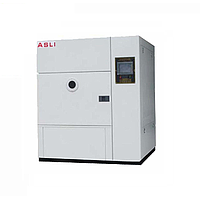
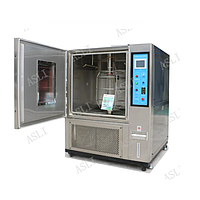
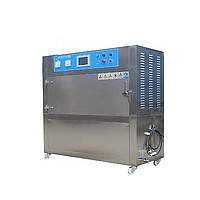
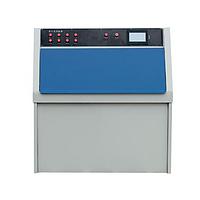
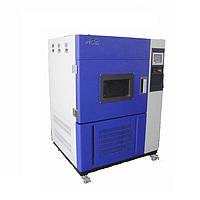
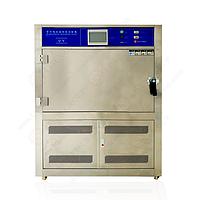
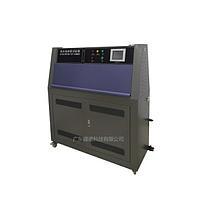
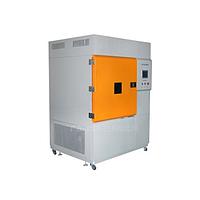
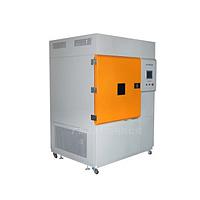
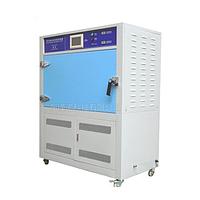
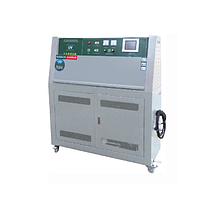
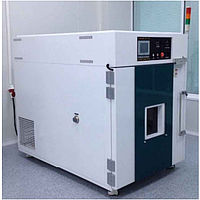
Light, UV, Xenon Test Chamber
Material performance under light exposure is rarely judged by appearance alone. In product development, quality control, and durability verification, engineers often need controlled equipment that can reproduce UV radiation, visible light, heat, and in some cases humidity or water spray to evaluate how coatings, plastics, textiles, inks, adhesives, and other materials will behave over time.
Light, UV, Xenon Test Chamber solutions are used for exactly that purpose. This category brings together equipment for fluorescence-based UV observation as well as xenon weathering systems designed to simulate sunlight and accelerated aging conditions, helping laboratories and manufacturers select suitable tools for inspection, comparison testing, and environmental exposure studies.
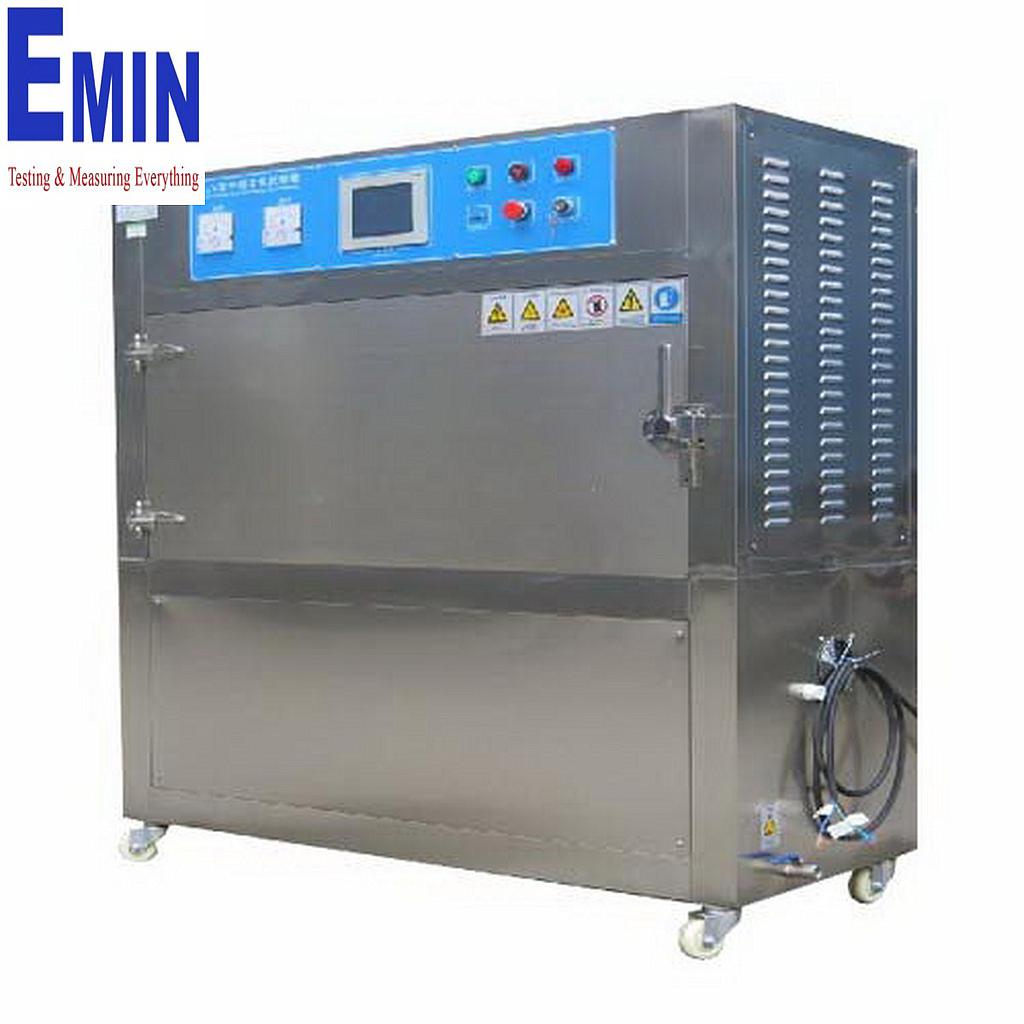
Where these systems are used in industrial testing
Light and UV-related chambers support a wide range of industrial workflows. In basic inspection, a UV cabinet can help operators detect fluorescence, contamination, coating response, or material differences that are difficult to see under standard illumination. In more advanced durability programs, xenon chambers are used to reproduce full-spectrum light exposure with controlled temperature and optional humidity or spray cycles.
These test methods are especially relevant when a product must maintain color, gloss, surface integrity, or functional performance after prolonged light exposure. Typical users include quality labs, R&D teams, material suppliers, and manufacturers that need repeatable comparison data before release or during incoming inspection.
UV analysis cabinets and sunlight simulation serve different needs
Not every application requires the same type of chamber. A fluorescence analysis cabinet is generally suited to close-range observation under ultraviolet illumination, often with defined wavelengths such as 254 nm and 365 nm. For example, the SPECTRO-UV CM-26A Fluorescence Analysis Cabinet and SPECTRO-UV CM-26A/FE Fluorescence Analysis Cabinet are representative options for laboratory UV viewing tasks where controlled lighting conditions matter.
By contrast, xenon weathering equipment is intended for accelerated light exposure testing. These chambers use xenon lamps to simulate sunlight across a broader spectrum, often combined with chamber temperature control and, depending on the model, humidity management, chiller support, or water spray. If your work also involves monitoring irradiation levels, it may be useful to review related tools such as a UV meter for measurement and verification.
Typical xenon chamber configurations in this category
This category includes multiple xenon-based systems from Q-Lab and T-MACHINE, covering different specimen capacities and environmental control levels. For users looking for compact benchtop-style sunlight exposure testing, models such as the Q-SUN Xe-1-B, Xe-1-S, Xe-1-BC, and Xe-1-SC illustrate the progression from basic full-spectrum exposure to versions that add water spray and chiller capability.
For broader test coverage or higher specimen throughput, larger systems such as the Q-SUN Xe-2-H, Xe-2-HS, Q-SUN Xe-3-HC, and Q-SUN Xe-3-HSC provide more advanced chamber control options. The T-MACHINE TMJ-9707 Xenon–Arc Weather Chamber is another example in this category for users evaluating a larger-format xenon-arc chamber with defined irradiation and environmental ranges.
How to choose the right chamber for your application
The best starting point is the test objective. If the goal is visual fluorescent inspection, counterfeit detection, stain tracing, or laboratory comparison under UV illumination, a dedicated UV cabinet is often more appropriate than a weathering chamber. If the goal is to study fading, cracking, yellowing, gloss loss, or sunlight-driven degradation, a xenon chamber is usually the more relevant choice.
Next, consider the environmental variables you need to control. Some projects only require light exposure, while others need a combination of temperature, humidity, and water spray to better simulate outdoor or service conditions. Sample size, specimen quantity, utility requirements, and maintenance planning should also be reviewed early, especially for labs comparing compact units with larger rotating-rack or tray-based systems.
- UV cabinet: suited to fluorescence observation and inspection tasks.
- Basic xenon chamber: suited to controlled full-spectrum light exposure.
- Xenon chamber with spray or humidity: suited to more realistic weathering or aging simulations.
- Larger-capacity chamber: suited to higher throughput or more specimen positions per test run.
Why xenon light is important in weathering and aging studies
Xenon technology is widely used when the test focus is sunlight simulation rather than narrow-band UV alone. Compared with simple UV exposure, xenon systems are often selected when users need a broader representation of solar radiation and want to study how combined light and thermal conditions affect a material over time.
That is why models in the Q-SUN series are commonly evaluated for coating, polymer, textile, automotive, packaging, and outdoor product testing. Replacement components such as the Q-Lab X-1800 Xenon Lamp also matter in the overall chamber ecosystem, since lamp condition directly affects exposure consistency and test continuity.
Related instruments that support light and optical testing workflows
In many laboratories, a chamber is only one part of the workflow. Teams may inspect exposed specimens visually, compare color drift, verify irradiation, or measure illumination before and after testing. Depending on the application, complementary tools such as a light meter can support routine checks of light-related conditions in the lab.
For projects involving color response, sorting, or optical signal detection in production environments, color sensors may also be relevant. These related categories are not substitutes for a chamber, but they can help build a more complete optical testing and verification setup.
Brands and product range available in this category
This category primarily highlights solutions from SPECTRO-UV, Q-Lab, and T-MACHINE, with each serving different testing scenarios. SPECTRO-UV is represented by fluorescence analysis cabinet models for UV-based observation, while Q-Lab contributes a broad range of xenon weathering chambers and lamp components. T-MACHINE adds xenon-arc chamber coverage for users looking at chamber-scale environmental exposure equipment.
The result is a practical selection for buyers comparing compact inspection cabinets, benchtop xenon systems, and larger accelerated weathering chambers. Rather than focusing only on model names, it is more useful to match the chamber type to the required exposure method, specimen load, and control features needed by your lab or production environment.
Finding a suitable solution for your lab
Choosing among light, UV, and xenon equipment usually comes down to test purpose, exposure realism, and operational practicality. A small UV cabinet may be ideal for routine fluorescent observation, while a xenon chamber is better suited to structured aging programs that require repeatable light and environmental control.
Browse the products in this category to compare chamber formats, supported testing conditions, and representative models. If you already know whether your work requires UV inspection, full-spectrum xenon exposure, or expanded weathering control with spray or humidity, it becomes much easier to narrow the selection to equipment that fits your workflow.
Get exclusive volume discounts, bulk pricing updates, and new product alerts delivered directly to your inbox.
By subscribing, you agree to our Terms of Service and Privacy Policy.
Direct access to our certified experts