Packaging Test Equipment
Packaging quality is often judged long before a product is used. Seal strength, gas retention, package stiffness, compression resistance, and overall handling performance all influence shelf life, transport safety, and customer confidence. For manufacturers, converters, and quality laboratories, choosing the right Packaging Test Equipment helps turn packaging control into a measurable, repeatable process rather than a visual inspection alone.
This category brings together instruments used to evaluate packaging materials, finished packs, and packaging operations across food, medical, consumer goods, electronics, and industrial applications. The focus is not only on pass/fail testing, but also on understanding how packaging behaves under sealing, vacuum, compression, and gas-related conditions in real production and logistics environments.
Where packaging testing adds practical value
In many operations, packaging performance affects both product protection and process efficiency. A weak heat seal may lead to leakage, a carton with insufficient compression strength may fail during stacking, and poor control of residual gas can reduce product life in modified atmosphere packaging. Testing equipment helps identify these issues before they become customer complaints or line losses.
These tools are commonly used in incoming material inspection, packaging development, production validation, and routine QA checks. Depending on the product type, testing may focus on flexible films, trays, pouches, cartons, vacuum packs, or semiconductor handling and packaging processes.
Typical test areas covered in this category
The scope of this category includes several important packaging-related test needs. Some instruments are designed to verify seal performance, while others assess structural strength, vacuum packaging capability, or gas content inside a package. This makes the category relevant for both material testing labs and production-floor quality control.
- Hot tack and seal evaluation for flexible packaging
- Vacuum packaging process support for sealed packs
- Gas analysis for MAP applications
- Box and carton compression testing
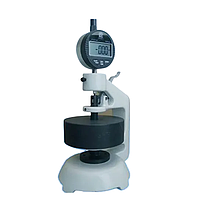
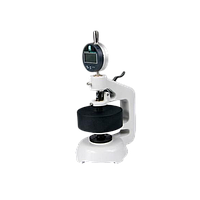
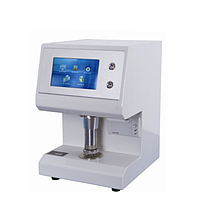
- Stiffness measurement for packaging materials
- Inspection and handling solutions for electronics packaging workflows
For barrier-focused packaging studies, users may also review related solutions such as water vapor transmission rate testing or an oxygen permeation system when the application requires deeper analysis of film permeability.
Seal integrity and hot tack evaluation
Heat-sealed flexible packaging must perform not only after cooling, but often immediately after sealing during high-speed production. That is why hot tack testing is important in applications where the package is still hot when stress is applied. It helps evaluate how well a seal holds at the moment it is formed, which is critical for pouch and film process optimization.
A representative example is the Karg HT 5000 Hot-Tack Tester, which is suited to controlled studies of sealing temperature, time, pressure, cooling behavior, and peel performance. This type of equipment is particularly useful when packaging engineers need to compare sealing windows across materials or tune machine settings for more stable results. Brands such as Karg are often considered in this area when seal quality is a key validation point.
Gas analysis and vacuum packaging control
For modified atmosphere packaging, knowing the gas composition inside the pack is essential. Oxygen and carbon dioxide levels can influence freshness, oxidation, microbial growth, and product appearance. Portable analyzers support spot checks in production or laboratory settings, especially when validating headspace conditions in sealed food packs.
The QUANTEK INSTRUMENTS Q2 Portable O2 / CO2 Analyzer for MAP testing is an example of equipment used for this purpose. It supports monitoring of oxygen and carbon dioxide in packaged products where gas balance matters. In operations that rely on vacuum sealing, machines such as the Roxer K2, K3, and K4 Vacuum Packaging Machine also play an important role by creating stable pack conditions before downstream inspection or validation. When a project specifically centers on gas-related measurement, users may also explore QUANTEK INSTRUMENTS solutions for additional context.
Compression and stiffness testing for transport durability
Packaging does not fail only at the seal. Secondary packaging, especially corrugated boxes and shipping cartons, must withstand stacking loads, warehouse handling, and transportation stress. Compression testing helps assess how much load a box can tolerate before deformation or collapse becomes unacceptable.
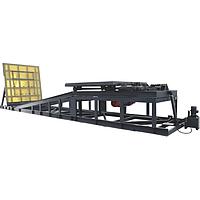
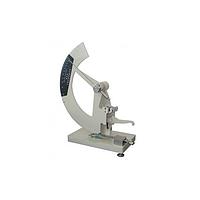
The Cometech QC-121D2 series, available in multiple frame types, is relevant for box compression evaluation in packaging quality and transit simulation workflows. For smaller-format material behavior, the Cometech QC-643B Stiffness Tester supports stiffness measurement that can be useful in paperboard, sheet, or component-level packaging studies. If your packaging validation program includes carton performance, the broader range from Cometech can be a useful reference point.
Electronics packaging and inspection workflows
Not all packaging test requirements are centered on food or consumer packs. In electronics and semiconductor-related operations, package inspection, orientation control, sorting, and reel handling are also part of packaging quality assurance. In these environments, visual verification and automated handling can be just as important as mechanical testing.
Solutions such as the SPIROX LS1000M Package AOI Solution and SPIROX TR1000 Automatic tape and reel packaging equipment fit this broader packaging ecosystem. They are relevant where package appearance, tray-based handling, post-sealing checks, and tape-and-reel processes need to be controlled as part of production readiness and outgoing quality.
How to choose the right equipment for your application
The best starting point is the failure mode you need to understand. If the concern is leaking flexible packs, prioritize seal and gas-related tools. If damage appears during warehousing or shipment, box compression and stiffness evaluation may be more relevant. For electronics packaging, inspection capability and automated packaging compatibility may carry more weight than classic material testing.
It also helps to define whether the instrument will be used for R&D, incoming inspection, in-process QA, or final quality release. Key considerations usually include sample type, test repeatability, operating environment, required throughput, and whether the result must support comparative development work or routine acceptance testing.
- Use hot tack and seal testing for heat-sealed film and pouch development
- Use gas analysis for MAP verification and headspace checks
- Use vacuum packaging equipment when process consistency is part of the evaluation workflow
- Use box compression systems for transport and stacking performance studies
- Use stiffness testing for sheet, board, or material rigidity comparison
- Use AOI and tape-and-reel solutions for electronics packaging inspection and handling
A broader packaging quality perspective
In practice, reliable packaging control often combines multiple test methods rather than relying on a single instrument. A flexible package may need seal validation, gas measurement, and barrier analysis. A shipping container may require both material stiffness evaluation and box compression testing. Looking at packaging as a system usually leads to more dependable results.
This category is intended to support that system-level view by covering different stages of packaging verification, from seal formation and atmosphere control to transport durability and specialized packaging processes. If your quality requirements extend into barrier or material transmission studies, related categories linked above can help complete the testing workflow.
Choosing packaging test equipment is ultimately about matching the instrument to the risk you need to control. Whether the priority is seal integrity, gas retention, carton strength, or production-side inspection, a well-selected test setup can improve consistency, support validation work, and provide clearer data for packaging decisions.
Get exclusive volume discounts, bulk pricing updates, and new product alerts delivered directly to your inbox.
By subscribing, you agree to our Terms of Service and Privacy Policy.
Direct access to our certified experts