Adhesion Tester
Reliable coating performance depends on more than thickness alone. In many paint, plating, and finishing processes, the critical question is whether the coating remains firmly bonded to the substrate during handling, service, or environmental exposure. That is where an Adhesion Tester becomes an essential part of quality control.
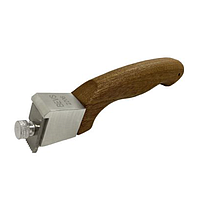
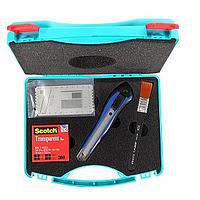
This category brings together instruments and accessories used to evaluate coating-to-substrate bonding on painted, coated, or treated surfaces. Depending on the test method, users may need a cross hatch cutter, dedicated test tape, magnification accessories, or a peel test system to assess how well a coating resists separation under controlled conditions.
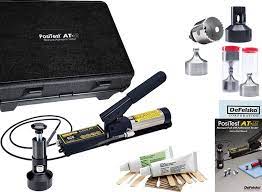
Why adhesion testing matters in coating inspection
A coating can meet visual and thickness requirements but still fail in service if adhesion is poor. Weak bonding may lead to flaking, peeling, edge lifting, or premature breakdown when the coated part is exposed to abrasion, moisture, chemicals, or temperature changes. For manufacturers and inspection teams, adhesion testing helps identify these risks before products move into operation.
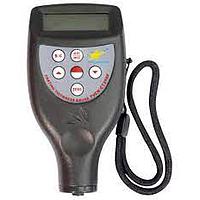
Adhesion evaluation is commonly used in metal finishing, painted components, industrial equipment, protective coatings, and laboratory development work. It is also often reviewed alongside results from a coating thickness meter, since correct film build and adequate bonding are closely related in many coating systems.
Common adhesion test approaches in this category
One of the most widely used methods is the cross hatch test. In this procedure, the operator cuts a defined grid pattern into the coating, applies standardized adhesive tape, and then evaluates the amount of coating removed. This method is practical for routine inspection because it is relatively quick and suitable for many painted or coated surfaces.
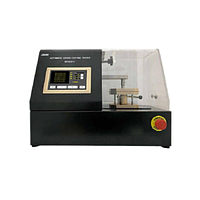
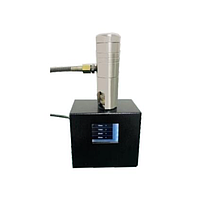
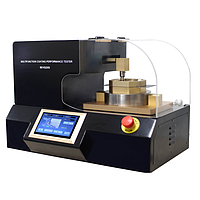
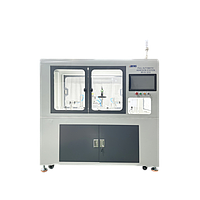
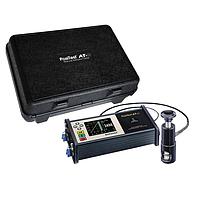
Another approach is the peel test, where force is applied under controlled conditions to measure separation behavior. For applications that require more quantified force data, a motorized or force-based system can provide a more structured test setup than a purely visual cross-cut method. The right choice depends on the coating type, substrate, specification, and test standard used in the plant or laboratory.
Typical tools and accessories used for adhesion testing
An adhesion test setup often includes more than the main instrument body. Cross hatch testing typically relies on blades with different spacing options selected according to coating thickness. In this category, examples include the ELCOMETER KT1542P001, KT1542P002, and KT1542P003 cross hatch blades, which illustrate how spacing can vary to match thin, medium, or thicker coating films.
Consumables also matter. Products such as the ELCOMETER T9999358-2 Adhesive Tapes and ELCOMETER T9998894 Cross Hatch Adhesion Test Tape show the role of standardized tape in repeatable test procedures. For closer visual assessment of the cut area, accessories like the ELCOMETER T10713356 Magnifier can support more consistent inspection of coating removal and edge quality.
Representative products and brands in this range
This category includes solutions from established manufacturers used in coating inspection workflows, such as ELCOMETER, PCE, and TQCSheen. These brands support different testing needs, from routine cross-cut kits to more force-based adhesion evaluation systems.
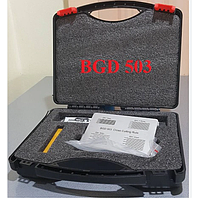
For example, the ELCOMETER F10713348-2 Elcometer 107 Full Kit with ASTM Tape is suited to users looking for a complete cross hatch style setup. The TQCSheen CC1000 Cross cut tester kit and TQCSheen VF2359 Rotary Blade Blade reflect another common configuration for coating adhesion checks. Where force measurement is required, the PCE PCE-PST 1 X Adhesion tester (500 N) represents a different testing route focused on controlled peel-style measurement.
How to choose the right adhesion tester
The first selection factor is the test method required by your specification or customer standard. Some workflows call for cross hatch or cross cut inspection according to common paint and coating standards, while others require a force-based peel test arrangement. Choosing the wrong method can make results difficult to compare across batches, suppliers, or audits.
The second factor is coating thickness and substrate condition. Blade spacing, tape type, and the rigidity of the test piece all affect whether the test is performed correctly. If adhesion testing is part of a broader coating control process, it may also be useful to review related equipment such as coating hardness testers or a holiday detector for protective coating inspection on demanding surfaces.
Users should also consider replacement parts and day-to-day usability. Blades, tapes, probes, and viewing accessories are not minor details; they directly affect repeatability and maintenance of the test process. A kit may be convenient for setup, but availability of the correct consumables is just as important over the long term.
Application areas for adhesion testing equipment
Adhesion testers are used across production, incoming inspection, field service, and R&D. Typical applications include painted metal panels, powder-coated components, industrial machinery, protective coatings on fabricated parts, ink and paint testing, and general material evaluation where coating integrity has to be verified.
In industrial settings, these tools help compare process changes such as surface preparation, curing conditions, primer selection, or topcoat formulation. In laboratories, they are useful for validating new coating systems and checking whether changes in formulation influence bond performance. In either case, the purpose is the same: obtain a clear and repeatable indication of coating attachment.
Getting more reliable and repeatable results
Good adhesion testing is not only about the instrument. Surface cleanliness, correct blade selection, proper tape application, cutting consistency, and evaluation technique all influence the result. Even a well-designed tester can produce inconsistent outcomes if the procedure is not aligned with the intended standard.
For that reason, many buyers look for complete testing workflows rather than a single item. A practical setup may include the main tester, the right blade spacing, approved tape, and basic inspection accessories. Matching these elements to the coating thickness and substrate type helps improve consistency between operators and test batches.
Conclusion
Choosing the right adhesion testing equipment helps turn coating inspection into a more dependable and actionable process. Whether the need is a simple cross hatch kit, replacement blades and tapes, or a more advanced peel-force system, the best fit depends on the coating system, test method, and level of documentation required.
Explore this Adhesion Tester category to compare suitable tools, accessories, and brand options for your inspection workflow. A well-matched setup can make routine QC easier, improve result consistency, and support better decisions across coating production and testing.
Get exclusive volume discounts, bulk pricing updates, and new product alerts delivered directly to your inbox.
By subscribing, you agree to our Terms of Service and Privacy Policy.
Direct access to our certified experts