Photoelectric Sensors
Reliable object detection is a core requirement in automated production, packaging, material handling, and machine safety support. When contact-based sensing is not practical, photoelectric sensors provide a flexible non-contact method for detecting parts, labels, pallets, transparent materials, and moving targets across a wide range of distances.
On this page, buyers and engineers can explore photoelectric sensing options for general industrial use, from compact models for tight machine layouts to longer-range designs for conveyors and line equipment. The category also helps compare sensing methods, output behavior, mounting considerations, and environmental protection before selecting a device for a new system or retrofit.
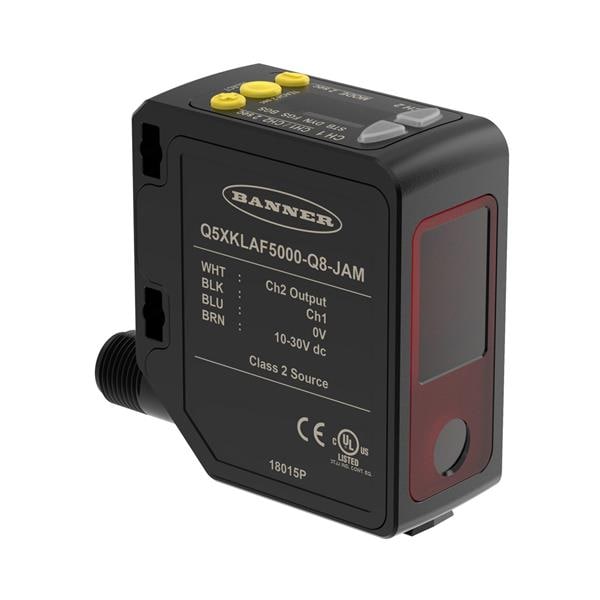
Where photoelectric sensors fit in industrial automation
A photoelectric sensor uses emitted light and a receiver to detect the presence, absence, or position of an object. Depending on the sensing principle, the device may detect reflected light from a target, interruption of a light beam, or light returned from a reflector. This makes the technology suitable for applications where mechanical contact would cause wear, reduce speed, or fail with delicate products.
These sensors are commonly used in assembly machines, packaging lines, intralogistics systems, and inspection stations. They are also often selected when users need fast switching, repeatable response, and compact installation. In broader sensing architectures, they may be used alongside devices such as color sensors for presence plus color verification, or with ambient light sensors in systems where light conditions are part of the overall control logic.
Common sensing modes and how to choose between them
One of the most important selection steps is choosing the right sensing mode. Diffuse reflective sensors detect light reflected directly from the target, making them convenient for general presence detection at short to medium range. Retro-reflective sensors work with a reflector and are often used when more reliable detection distance is needed without installing a separate transmitter and receiver on opposite sides.
Through-beam or transmitted-light arrangements use separate emitter and receiver units and are typically preferred for longer sensing distances or more demanding detection tasks. In the products listed here, examples such as the Banner Engineering SM31R illustrate transmitted-light style sensing, while the Banner Engineering SM312LVAGQDP represents a retro-reflective approach. For compact diffuse applications, the Banner Engineering QS18VN6DQ8 is a useful example of a sensor format often considered for standard machine detection tasks.
Selection should be based on target size, surface finish, motion speed, installation space, and the available mounting geometry. Shiny, dark, transparent, or irregular targets may require a different sensing principle than opaque cartons or metal parts moving on a conveyor.
What matters in real-world specification review
For industrial buyers, a datasheet should be interpreted in the context of the machine, not just compared line by line. Key factors typically include sensing distance, response time, output configuration, supply voltage, connection type, and enclosure protection. Fast response is especially relevant in high-speed conveying or indexing systems where the sensor must detect small objects with minimal delay.
Several representative devices in this category show the types of features engineers often compare. For example, some Banner Engineering models listed here indicate response times down to the sub-millisecond range, DC supply compatibility such as 10 to 30 V, and protection levels including IP67. These details matter when sensors are exposed to washdown, dust, vibration, or frequent maintenance access.
Electrical output behavior also affects integration. NPN, PNP, Dark-ON, and Light-ON logic should match the PLC, controller, or I/O architecture already in use. Connector-based versions may simplify replacement and maintenance, while cabled versions may be better suited to fixed installations or limited panel access.
Examples from this category
This range includes multiple formats from Banner Engineering, covering compact and general-purpose sensing tasks. Models such as T30AD9FF150, DQ12AB6LPQ5, QS18EN6WQ5-71032, Q45VR2LPQ, and T30AW3LP reflect the variety of housings and application styles available within industrial photoelectric sensing.
The category also includes BAUMER options such as the FZDK 14P5101/S35A, which is useful as a reference point when comparing mounting size, design family, or integration preferences across manufacturers. Rather than choosing only by brand familiarity, it is usually more effective to narrow the shortlist by detection principle, target behavior, environmental conditions, and wiring requirements first.
Installation and application considerations
Even a capable sensor can underperform if alignment and installation are overlooked. Mounting angle, reflector position, background surfaces, and target travel path all influence actual performance. In applications with vibration or moving brackets, stable mounting and adequate beam alignment are often just as important as the nominal sensing distance on paper.
Environmental conditions should also be reviewed carefully. Dust, oil mist, water exposure, and temperature variation can change how light is transmitted or reflected. For applications where optical conditions are especially variable, it may be helpful to compare photoelectric sensing with other technologies in the same system, such as air quality sensors for environmental monitoring or flow sensors & pitot tubes when process flow confirmation is part of the wider automation setup.
How to select the right model for your system
A practical selection process usually starts with the target itself: what is being detected, how fast it moves, and whether it is opaque, reflective, transparent, or inconsistent in shape. Next, define the available mounting distance and whether the installation allows diffuse, retro-reflective, or through-beam sensing. This narrows the field much faster than comparing long lists of part numbers.
Then review the control side: required output type, power supply range, cable or connector preference, and desired switching behavior. If the sensor will operate in a harsh environment, enclosure rating and temperature range become more important. For long-term maintenance, teams often also consider model family availability, replacement convenience, and consistency across multiple machines.
Why this category is useful for engineering and procurement teams
Photoelectric sensing is rarely a one-size-fits-all decision. A compact unit may be ideal for a packaging machine, while a longer-range model may be more appropriate for conveyor zoning or part transfer. Bringing these products together in one category makes it easier to compare sensor families that address different machine layouts and operating conditions without losing sight of the application goal.
Whether you are specifying a new line, replacing a failed sensor, or standardizing parts across multiple assets, this category supports a more structured evaluation of object detection, switching logic, and environmental suitability. Reviewing the available product options with those criteria in mind will help you identify a sensor that fits both the technical requirement and the realities of day-to-day industrial operation.
Choosing the right photoelectric sensor is ultimately about matching the sensing principle to the target, the installation, and the control system. By comparing detection method, electrical interface, response behavior, and environmental protection together, engineering and purchasing teams can make a more confident selection for reliable machine performance.
Get exclusive volume discounts, bulk pricing updates, and new product alerts delivered directly to your inbox.
By subscribing, you agree to our Terms of Service and Privacy Policy.
Direct access to our certified experts