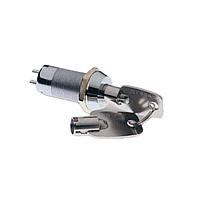
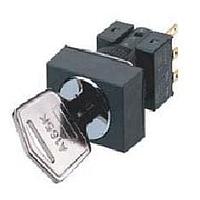
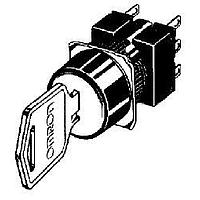
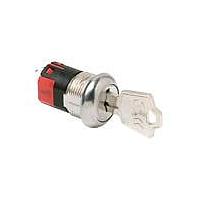
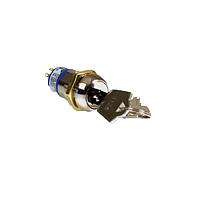
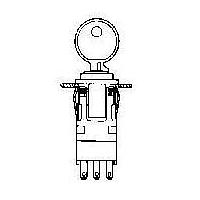
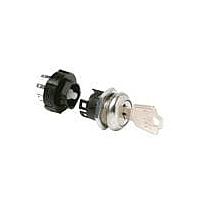
Keylock Switches
In environments where machine access, operator authorization, and panel control need to be clearly separated, a keyed switching device can be a practical choice. Keylock switches are commonly selected when a control action should only be available to trained personnel, maintenance staff, or authorized operators rather than any user at the panel.
On industrial equipment, these switches are often used to enable or disable specific functions, select operating modes, or add a basic layer of physical access control. For OEM panels, retrofit projects, and maintenance applications, they help create a more deliberate and controlled interface without adding unnecessary complexity.
Where keylock switches fit in industrial control systems
A key-operated switch is typically installed on a control panel, enclosure, machine interface, or equipment cabinet where a user must insert and turn a key to change the switch position. This simple mechanical action can support common industrial needs such as permission-based operation, restricted reset functions, or mode selection between local and authorized states.
Compared with standard operator devices, the main value of a keylock design is controlled access. That makes it relevant in production lines, utility systems, building controls, and automation cells where not every function should be available to every person standing at the equipment.
Typical applications for key-operated control
Keylock switches are often chosen when a machine builder or maintenance team wants a manual control point that is harder to activate accidentally or without authorization. They can be used for enable/disable functions, service access, control station selection, or other panel actions that benefit from intentional operation.
In broader switch architecture, they are often considered alongside control switches when engineers are defining operator interfaces. If the requirement goes beyond normal switching and calls for role-based access at the device level, a keyed option may be more appropriate than a standard selector or toggle device.
What to consider when selecting keylock switches
Choosing the right product usually starts with the application logic rather than appearance. Important questions include how many switch positions are needed, whether the key should be removable in one or multiple positions, how the switch will be mounted, and how it needs to interact with the rest of the control circuit.
It is also useful to evaluate the operating environment. Panel space, expected duty cycle, exposure to dust or moisture, and the need for compatibility with existing operator hardware can all influence selection. In many projects, the best result comes from matching the switch design to both the control philosophy and the physical layout of the machine or enclosure.
Relationship to safety and shutdown functions
Although keylock switches help restrict access to certain functions, they should not automatically be treated as a substitute for dedicated safety devices. Their role is usually centered on authorization, mode control, or operational restriction rather than emergency intervention.
For example, emergency shutdown functions are generally better addressed with purpose-built emergency stop switches, while visible isolation for power circuits may call for disconnect switches. Understanding this distinction helps prevent specification errors and supports a clearer, more compliant panel design process.
Common integration scenarios in machine panels
In practical use, keylock switches are often part of a wider operator interface that may also include pushbuttons, selector devices, indicators, relays, and enclosure hardware. A keyed switch may be used to hand over control authority, allow service mode entry, or enable a function only during setup and maintenance windows.
This is especially relevant in mixed-access environments where operators, supervisors, and technicians interact with the same machine differently. A key-based interface can support more structured workflows by separating routine operation from restricted functions that should only be handled by authorized personnel.
Manufacturers commonly considered in this category
Buyers evaluating this category often compare offerings from established industrial and electromechanical component brands. Depending on the panel design and required switching format, product lines from C&K, Eaton, Honeywell, Banner Engineering, and Alcoswitch - TE Connectivity may be relevant starting points for review.
Brand choice should be guided by the application, required form factor, and integration needs rather than by name alone. In B2B sourcing, factors such as availability, consistency across control components, and suitability for the intended environment usually matter more than simply standardizing on one supplier.
How keylock switches compare with other switch categories
Not every restricted-control requirement calls for the same device type. If the application involves perimeter protection or conveyor trip actuation over distance, cable pull switches serve a very different function. Likewise, specialized signal routing tasks may point toward coaxial switching rather than operator control hardware.
Keylock switches are best viewed as part of an industrial switching ecosystem where each device has a specific job. Their strength lies in giving a panel designer or system integrator a straightforward way to combine manual switching with a basic physical authorization method.
Choosing with the full system in mind
For machine builders, maintenance teams, and industrial buyers, the most effective selection process starts with the intended user action: who should operate the switch, under what conditions, and what should happen in each position. From there, it becomes easier to narrow the options based on mounting style, circuit behavior, environmental suitability, and panel layout.
When specified thoughtfully, keylock switches can improve interface discipline, reduce unintended operation, and support clearer role separation at the equipment level. If your project involves restricted operator actions within a broader control scheme, this category provides a practical foundation for evaluating the right keyed switching solution.
Get exclusive volume discounts, bulk pricing updates, and new product alerts delivered directly to your inbox.
By subscribing, you agree to our Terms of Service and Privacy Policy.
Direct access to our certified experts