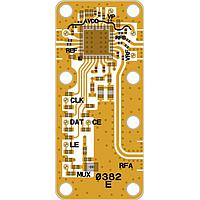
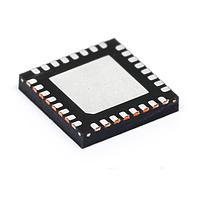
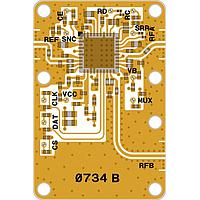
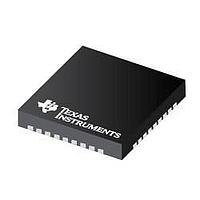
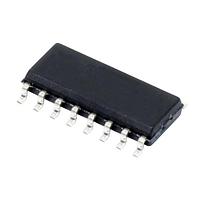
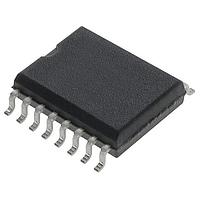
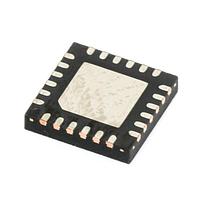
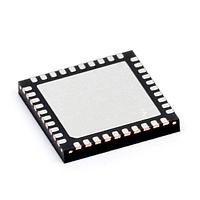
Phase Locked Loops PLL
Stable frequency generation and precise timing are essential in RF design, wireless communication, clock distribution, and mixed-signal electronics. When a circuit needs to lock an output signal to a reference in frequency and phase, Phase Locked Loops PLL devices become a core building block for synchronization, signal conditioning, and system-level stability.
On this category page, engineers and sourcing teams can explore PLL ICs used in a wide range of electronic designs, from RF front ends to communication modules and embedded systems. The selection is relevant for applications that require controlled frequency synthesis, reduced timing error, and dependable integration within broader wireless and RF IC architectures.
Where PLL ICs fit in modern electronic design
A PLL continuously compares an input reference with a controlled output and adjusts the system until the signals align. This makes it useful wherever designers need to generate a stable clock, recover timing information, multiply frequency, or maintain synchronization between different stages of a circuit.
In practical terms, PLL ICs are commonly used in wireless communication equipment, data conversion systems, embedded platforms, industrial electronics, and signal processing hardware. They often work alongside related RF and timing functions such as phase detectors and shifters, depending on the architecture of the end product.
Typical applications for phase locked loops
The value of a PLL depends on how effectively it supports the target system. In RF and communication designs, these ICs are often selected for local oscillator generation, carrier synchronization, clock recovery, and channelized frequency control. In digital and mixed-signal products, they may be used to derive internal clocks from a lower-frequency reference or to coordinate multiple timing domains.
PLLs are also important when designers need a controlled relationship between reference and output signals rather than simple oscillation. That requirement appears in communication infrastructure, instrumentation, automotive electronics, consumer devices, and embedded control systems. In many designs, the PLL is one element within a broader signal chain that can also include modulator and demodulator ICs or prescaling stages.
Key considerations when selecting a PLL IC
Choosing the right device starts with the needs of the application rather than a single headline parameter. Engineers typically review the required frequency range, reference source, lock behavior, loop characteristics, phase noise expectations, and how the device interfaces with the rest of the design. Package style, power constraints, control method, and integration level also matter in both prototype and production environments.
Another important factor is system context. A PLL used in a wireless transceiver may be evaluated differently from one used in a digital clock tree or timing recovery stage. For RF-oriented designs, the interaction with adjacent blocks such as a prescaler can influence achievable performance and implementation complexity.
How PLLs support frequency synthesis and synchronization
One of the most common reasons to use a PLL is frequency synthesis. By locking a controllable oscillator to a known reference, the circuit can produce output frequencies that are related to the input in a predictable way. This approach supports repeatable signal generation in communication systems, RF modules, and clock management designs.
PLLs are equally valuable for synchronization. In systems where multiple subsystems must stay aligned, a PLL helps maintain phase and frequency coherence over time. This is especially relevant in designs that combine RF, digital processing, and data movement, where timing quality directly affects signal integrity and overall system behavior.
Leading manufacturers available in this category
This category includes devices from established semiconductor suppliers widely used in professional design and purchasing environments. Depending on project requirements, buyers may focus on solutions from Analog Devices, Infineon, Microchip, NXP, onsemi, Maxim Integrated, Nexperia, Cirrus Logic, Diodes Incorporated, and Microchip Technology.
Manufacturer selection is rarely only about brand familiarity. Teams usually balance technical fit, preferred ecosystem, lifecycle considerations, documentation quality, and supply continuity. For that reason, comparing options across multiple vendors can be useful when qualifying parts for new developments or second-source strategies.
Related product categories worth reviewing
PLL devices are often evaluated together with neighboring RF and timing functions rather than in isolation. For example, some projects require dedicated signal-chain elements that complement the PLL architecture, while others may call for integrated alternatives depending on the communication standard or system topology.
If you are refining an RF design, it may also be helpful to review related categories such as NFC/RFID tags and transponders for identification and short-range communication use cases, or adjacent RF control components when the design involves frequency management and signal alignment across multiple stages.
Why this category matters for engineering and procurement teams
For engineers, this category supports faster comparison of devices used in timing-sensitive and RF-related applications. Instead of reviewing broad semiconductor ranges, users can narrow their search to parts specifically suited to locking, synchronization, and controlled frequency generation. That helps reduce selection time and improves the relevance of shortlists during design-in.
For procurement teams, a focused PLL category also makes it easier to compare manufacturers, review alternatives, and coordinate sourcing with technical stakeholders. This is especially useful in B2B purchasing environments where performance requirements, approved vendor lists, and long-term availability all influence the final choice.
Find PLL ICs aligned with your design requirements
Whether the goal is clock generation, RF frequency control, or stable synchronization between subsystems, Phase Locked Loops remain a foundational technology in modern electronic design. A well-matched PLL can improve timing stability, support cleaner integration with surrounding circuits, and simplify implementation in complex systems.
Use this category to compare available options from recognized semiconductor manufacturers and identify devices that fit your architecture, performance targets, and sourcing preferences. Reviewing PLLs in the context of the wider RF signal chain will usually lead to a more reliable and scalable design decision.
Get exclusive volume discounts, bulk pricing updates, and new product alerts delivered directly to your inbox.
By subscribing, you agree to our Terms of Service and Privacy Policy.
Direct access to our certified experts