Plasma Treatment Machines
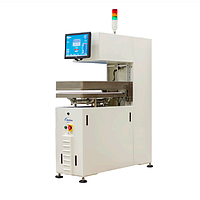
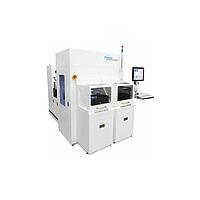
Surface preparation often determines whether downstream processes run consistently or become a source of defects. In electronics assembly, bonding, coating, printing, and other precision manufacturing steps, plasma technology is widely used to improve surface energy, remove organic contamination, and support more stable process results. This makes Plasma Treatment Machines a practical category for manufacturers looking to integrate controlled surface treatment into automated production and inspection environments.
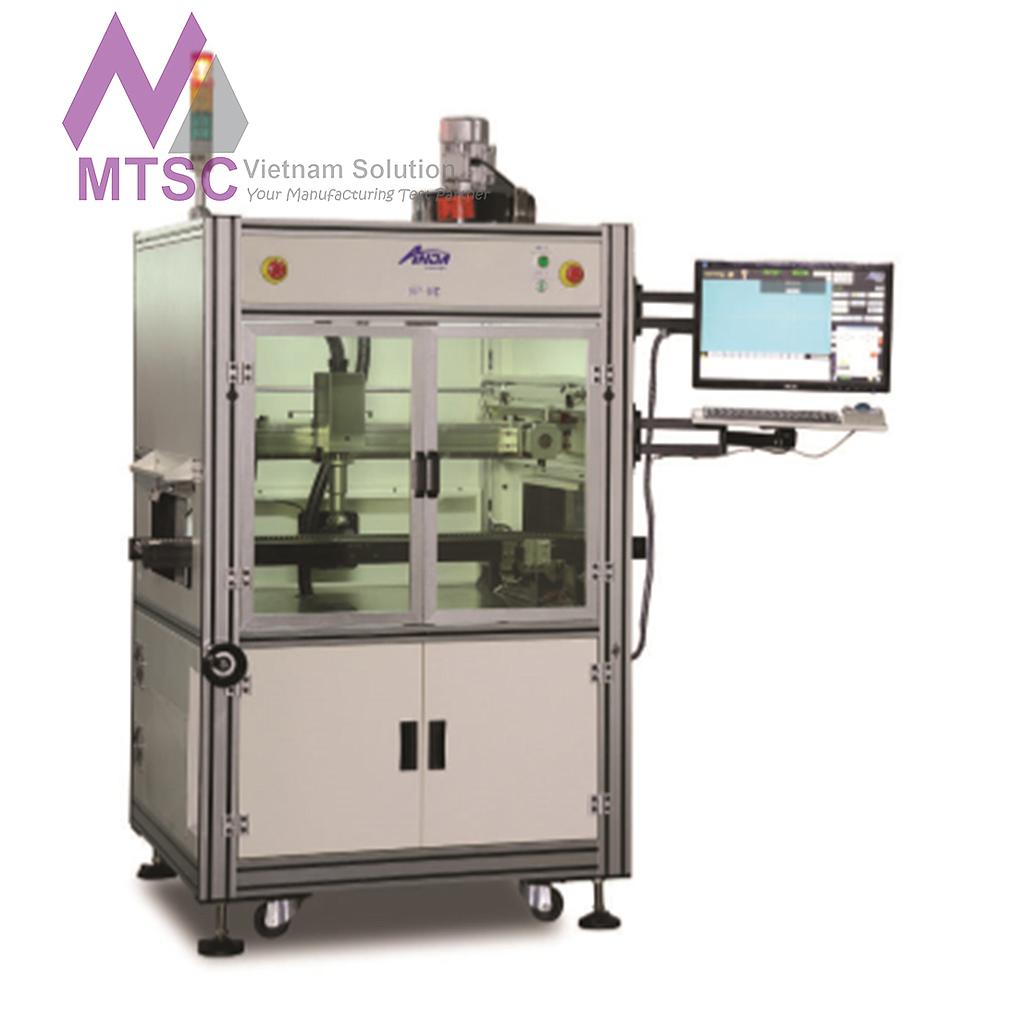
Where plasma treatment fits in production lines
Plasma treatment is commonly applied before processes such as dispensing, coating, bonding, sealing, or inspection. By modifying the surface condition of parts and substrates, it can help improve wetting, adhesion, and process repeatability without relying only on chemical cleaning methods. In automated factories, this is especially useful when product quality depends on stable surface characteristics from batch to batch.
Because this category sits within an assembly and inspection environment, plasma systems are often considered alongside motion, material handling, and verification equipment. In some applications, they are integrated with a conveyor system for inline processing, while in others they are paired with a vision inspection system to confirm alignment, positioning, or downstream process quality.
Typical treatment goals in industrial applications
Different production targets call for different plasma process strategies. In general, these machines are selected to support surface activation, nano-cleaning, removal of organic residues, or controlled surface modification before a critical assembly step. Depending on the material and process design, plasma can also be relevant for hydrophilic treatment, passivation, or etching-related preparation tasks.
For electronics and precision assemblies, the value of plasma treatment is often less about a single machine function and more about process control. A stable plasma step can help reduce variation before conformal coating, adhesive dispensing, sealing, or similar operations where surface condition directly affects yield. That is why buyers typically evaluate not only chamber size or footprint, but also how well the machine fits into the wider manufacturing workflow.
Chamber and inline formats available in this category
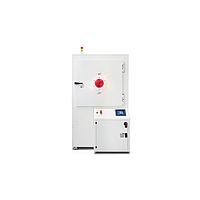
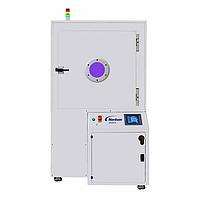
This category includes both batch-style chamber systems and inline-oriented platforms. Chamber equipment is often used when parts need controlled treatment in a defined process volume, while inline solutions are better suited to continuous production with automated handling. The right format depends on part geometry, takt time, substrate sensitivity, and whether treatment is performed on individual boards, trays, or larger production lots.
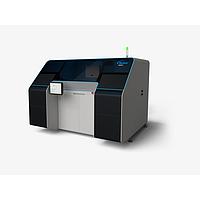
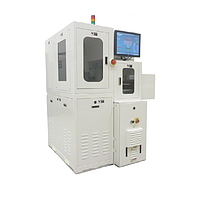
Among the highlighted examples, the Nordson range shows several chamber-based and inline-capable solutions with different working areas and chamber volumes. Models such as the Nordson AP-600 and AP-1000 are relevant when a larger enclosed treatment space is needed, while systems in the FlexTRAK and StratoSPHERE families are positioned for more integrated production scenarios. The Anda SP-RC Plasma Treatment Machine represents another approach oriented toward automated handling, with gantry-based movement and nozzle options for surface treatment within a production cell.
Examples of systems in this category
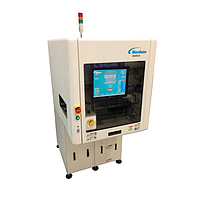
For operations that require a larger chamber capacity, Nordson AP-600 and Nordson AP-1000 plasma treatment systems provide enclosed process environments with different maximum volumes. These kinds of systems are typically considered when users need controlled treatment conditions across multiple parts or fixtures and want flexibility in electrode configuration and gas control.
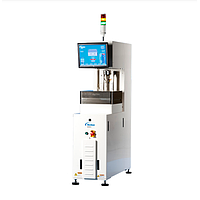
For inline manufacturing, Nordson FlexTRAK, FlexTRAK-S, FlexTRAK-CD, FlexTRAK-CDS, FlexTRAK-2MB, and FlexTRAK-SHS illustrate how plasma treatment can be adapted to different working areas and production layouts. The Nordson StratoSPHERE system is also relevant where substrate-oriented handling and factory communication interfaces are important in automated process flow. For applications involving atmospheric treatment concepts, the Anda SP-RC machine is notable for supporting nozzle-based processing and for being designed with electronic assembly in mind.
How to choose the right plasma treatment machine
A useful starting point is to define the production objective clearly: cleaning, activation, adhesion improvement, or another surface modification requirement. From there, buyers can narrow the selection based on part size, required throughput, treatment area, and whether processing should occur in a chamber or as an inline step. Sensitive assemblies may also require careful consideration of treatment method, discharge control, and integration with ESD-conscious manufacturing practices.
It is also important to review practical implementation factors such as machine footprint, equipment clearance, available gas flow configurations, control interface, and remote communication options. In automated lines, integration matters just as much as the plasma process itself. If the system must exchange data with adjacent equipment or fit into a broader automatic workpiece feeding system, those requirements should be considered early in the selection stage.
Integration considerations for assembly and inspection environments
Plasma treatment is rarely an isolated investment in B2B manufacturing. It usually connects to upstream loading, transfer, handling, dispensing, coating, curing, or inspection steps. As a result, successful selection depends on understanding not only the plasma process window but also how the machine supports operator access, maintenance, line balancing, and communication with the rest of the equipment set.
For manufacturers building complete production cells, plasma treatment may be one module inside a broader automation strategy. In electronics, automotive components, and other precision industries, integration can involve recipe management, traceability, motion coordination, and process verification. That broader systems perspective is often what separates a workable installation from a machine that performs well in isolation but is difficult to scale in production.
Why this category is relevant for technical buyers
Engineers and sourcing teams looking at plasma equipment are usually comparing more than product names. They need to understand the differences between chamber volume, working area, electrode arrangement, inline compatibility, and control architecture. This category helps organize those options so buyers can evaluate which systems are more suitable for laboratory-scale process development, batch production, or fully automated manufacturing lines.
With equipment from manufacturers such as Anda and Nordson, the category covers multiple approaches to industrial plasma treatment without forcing a one-size-fits-all selection path. That is useful when the production requirement may range from compact substrate processing to larger chamber treatment or integrated inline surface preparation.
Final considerations
Choosing the right plasma system starts with the process requirement, but the best long-term result usually comes from matching that requirement to the realities of production: part flow, automation level, available space, and downstream quality targets. A well-matched machine can help stabilize adhesion-related processes, improve surface consistency, and support cleaner integration into modern assembly lines.
Whether the need is for chamber-based treatment, inline plasma processing, or a solution that fits into a larger automated cell, this category brings together equipment options that are relevant for real industrial use. Reviewing the treatment method, handling concept, and integration needs side by side is the most effective way to identify the right next step.
Get exclusive volume discounts, bulk pricing updates, and new product alerts delivered directly to your inbox.
By subscribing, you agree to our Terms of Service and Privacy Policy.
Direct access to our certified experts