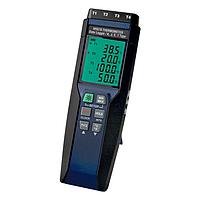
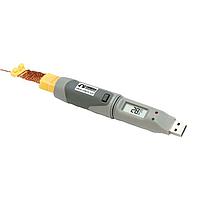
Humidity - Temperature Datalogger
Reliable environmental records are often just as important as the measurement itself. In storage rooms, laboratories, HVAC systems, production areas, and transport monitoring, a Humidity - Temperature Datalogger helps teams capture temperature and relative humidity over time instead of relying on one-time spot checks.
This category is built for users who need traceable data, trend visibility, and practical tools for condition monitoring. Whether the priority is compact USB logging, long-term memory capacity, high-temperature operation, or combined pressure and humidity tracking, the available dataloggers support a wide range of industrial and technical applications.

Where humidity and temperature dataloggers are used
These instruments are commonly selected when environmental conditions must be observed continuously rather than checked occasionally. Typical use cases include warehouses, cleanrooms, cold storage, pharmaceutical handling, museums, building services, and process areas where changes in ambient conditions can affect product quality or system performance.
A datalogger becomes especially useful when teams need historical records for troubleshooting or audits. Instead of asking what the room conditions are right now, users can review how conditions changed over hours, days, or weeks and identify patterns such as overnight drift, door-opening effects, or seasonal variation.
What to look for when choosing a datalogger
The first step is matching the logger to the measurement task. Some models focus on temperature and humidity, while others add parameters such as barometric pressure or differential HVAC-related values. The required measuring range, expected accuracy, logging interval, memory size, enclosure rating, and data retrieval method all influence the right choice.
Physical installation also matters. Small USB units are convenient for compact deployments and quick downloads, while more rugged designs are better suited to harsher environments. If the application involves routine review of recorded conditions, it can also be helpful to compare dataloggers with temperature meters and indicators for situations where both live readings and logged history are needed.
Common product types in this category
One of the most popular formats is the compact USB logger. Products such as the EXTECH TH10 Temperature USB Datalogger and EXTECH RHT10 Humidity and Temperature USB Datalogger are designed for straightforward deployment, making them suitable for room monitoring, storage checks, and general-purpose environmental recording.
For users who need portable loggers with small form factors, the TESTO testo 174 H BT Mini data logger for temperature and humidity with Bluetooth and the TESTO 174 H Mini data logger for temperature and humidity with USB-C and PC software provide a practical approach to routine condition tracking. These types of devices are often selected when installation space is limited and periodic data review is part of normal maintenance or quality procedures.
There are also broader environmental logging options. The EXTECH SD700 Barometric Pressure/Humidity/Temperature Datalogger extends beyond temperature and humidity alone, while the Dwyer DL6100, DL6030, and DL6005 models are more application-specific for HVAC monitoring where pressure, temperature, and RH data may need to be reviewed together.
Examples from leading manufacturers
Several recognized brands appear in this category depending on the monitoring requirement. TESTO is well known for compact environmental loggers suited to regular facility checks and documentation workflows. EXTECH offers accessible USB and SD-card-based models that are easy to integrate into everyday inspection routines.
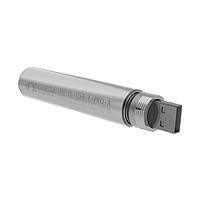
For more demanding industrial environments, Dwyer provides rugged logging solutions, including stainless steel models intended for harsher operating conditions and specialized HVAC applications. HIOKI also appears in this category with devices such as the HIOKI LR5001 HiLOGGER MEMORY, which supports temperature measurement with external sensing in applications where compact logging and dependable field use are important.
Key selection criteria for technical buyers
When comparing models, buyers typically look beyond basic sensor availability. Logging interval determines how granular the stored data will be, while memory capacity affects how long the instrument can run before data download is required. A device with a broad interval range can adapt to both short-term diagnostics and long-term monitoring.
Another important factor is the operating environment. In clean indoor spaces, a compact logger may be enough, but washdown areas, outdoor locations, and industrial sites may call for improved ingress protection or metal housings. Where probes, mounts, or connectivity parts are part of the installation plan, related temperature accessories can help complete the measurement setup more effectively.
Data access is equally important. Some users prefer direct USB download, others need removable media, and some value Bluetooth-based access for quicker field retrieval. The best choice depends on how often data is reviewed, how many units are deployed, and whether the monitoring point is easy or difficult to reach.
Applications that need more than simple room monitoring
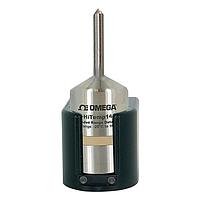
Not every logging task is limited to ambient air checks. In food handling, high-temperature logging may be required for process verification, which is why models like the Dwyer DW-USB-1-HT or Dwyer HTDL-30 can be relevant where elevated temperatures are involved. In building diagnostics, a multi-parameter logger can help correlate humidity changes with pressure behavior and thermal conditions.
For maintenance and troubleshooting, dataloggers are often used alongside other diagnostic tools. If the goal is to locate thermal anomalies visually before recording long-term conditions, a thermal imaging camera may complement the datalogger workflow. This combination is useful when teams need both immediate fault detection and historical environmental evidence.
Why logged data is useful for compliance and troubleshooting
A spot reading can confirm a condition at one moment, but it cannot explain what happened before or after that measurement. A datalogger provides a time-based record that supports trend analysis, alarm investigation, process validation, and environmental documentation. This is valuable in industries where stable temperature and humidity conditions influence product integrity, equipment reliability, or audit readiness.
Historical records also help reduce guesswork. If a complaint, deviation, or failure occurs, stored data can show whether the issue was linked to humidity spikes, temperature drift, or an event tied to a specific time window. In many facilities, this makes dataloggers a practical bridge between daily operations and quality control.
Choosing the right humidity and temperature datalogger
The best fit depends on how the device will actually be used: the number of parameters being tracked, the environment, the logging duration, and the preferred download method. A compact USB logger may be ideal for routine room monitoring, while a rugged or multi-input unit may better suit HVAC diagnostics or industrial condition tracking.
Across this category, users can compare compact environmental loggers, rugged stainless steel designs, and broader multi-parameter instruments from brands such as TESTO, EXTECH, Dwyer, and HIOKI. By focusing on application needs rather than specifications alone, it becomes easier to select a datalogger that supports reliable monitoring, useful records, and better operational decisions over time.
Get exclusive volume discounts, bulk pricing updates, and new product alerts delivered directly to your inbox.
By subscribing, you agree to our Terms of Service and Privacy Policy.
Direct access to our certified experts