Thermocouple and RTD Connectors
Reliable temperature measurement depends on more than the sensor element itself. In many industrial, laboratory, and OEM installations, the connector is a critical part of the signal path, helping maintain wiring integrity, simplify maintenance, and support faster replacement when sensors or cables need to be changed.
Thermocouple and RTD Connectors are used to create practical, serviceable connections between temperature sensors, extension wires, panels, and instrumentation. For engineers and buyers, the right connector choice can improve installation consistency, reduce wiring errors, and make temperature systems easier to scale or troubleshoot over time.
Why connector selection matters in temperature measurement
Temperature signals can be sensitive to connection quality, especially in systems that run across long cable routes, changing ambient conditions, or repeated maintenance cycles. A well-matched connector helps preserve signal continuity and provides a more organized handoff between sensor leads and control or monitoring equipment.
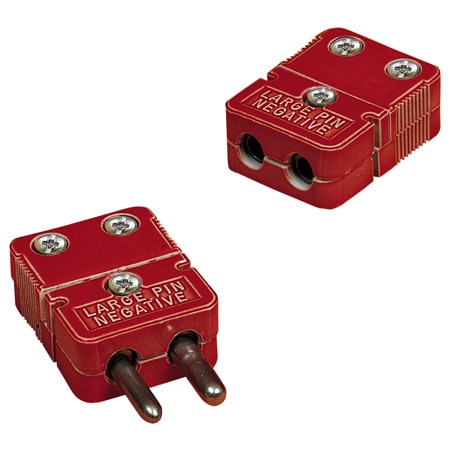
In thermocouple applications, connector material compatibility and polarity are especially important because the measurement principle depends on dissimilar metal junctions. In RTD systems, secure and clearly identified terminations help support stable resistance measurement and cleaner installation practices. In both cases, choosing the right connector is as much about system reliability as it is about convenience.
Typical use cases for thermocouple and RTD connectors
These connectors are commonly used in process heating, industrial ovens, packaging equipment, test benches, environmental chambers, HVAC assemblies, and machine-building projects. They are also practical in facilities where temperature probes are frequently replaced or where wiring must be disconnected during calibration, cleaning, or planned maintenance.
Another common use is in modular measurement layouts. Instead of hard-wiring every sensor directly to the instrument, connectors create defined interface points between field wiring and the measurement chain. This makes documentation easier and reduces downtime when technicians need to isolate or replace a sensor loop.
Common connector formats in this category
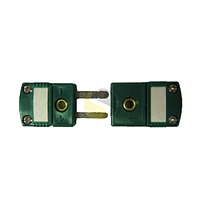
This category generally supports applications involving thermocouples and RTDs, with designs intended for straightforward sensor connection, extension cable termination, or detachable field wiring. Depending on the installation, users may choose compact connector styles for limited space, or more robust formats for repeated mating cycles and clearer panel-side organization.
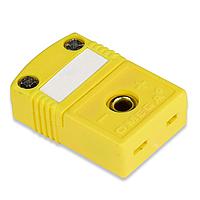
For example, the OMEGA SMPW-K-F miniature thermocouple connector is a compact option designed for Type K thermocouple circuits and uses a standard miniature female thermocouple connection format. Products like this are often selected when engineers need a practical balance of size, serviceability, and correct thermocouple matching at the connection point.
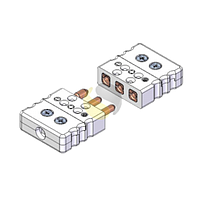
Where the system architecture extends beyond a single inline connector, related formats such as panel mount connectors or jack panels can help create cleaner interfaces between field sensors and centralized instrumentation.
How to choose the right connector
A good starting point is the sensor type. Thermocouple connectors must match the thermocouple type used in the measurement loop, while RTD connections should support the required wiring configuration and installation method. Polarity, pin arrangement, and compatibility with existing extension cable or instrumentation interfaces should all be checked before selection.
The next consideration is the physical environment. Engineers typically review operating temperature range, connector size, body material, and how the connection will be used in practice. A connector in a laboratory setup may prioritize quick changes and clear labeling, while a production environment may require better resistance to handling, vibration, or repeated connection cycles.
It is also useful to consider the broader wiring approach. If the project requires on-site assembly, field wireable connectors may be relevant. For installations with multiple sensor channels, more structured options such as multi-pin connectors, pins and sockets can help simplify routing and service access.
Examples from leading manufacturers
This category is often associated with established names in interconnect and sensing components, including OMEGA, Amphenol, and TE Connectivity. Each brand is commonly specified in industrial and OEM environments where consistency, part availability, and compatibility with temperature measurement systems are important purchasing factors.
Among the products shown in the wider context, OMEGA miniature thermocouple connectors represent the connector-focused side of the category, while devices such as the TE Connectivity R-12167-17 Type T thermocouple assembly and Amphenol thermopile and IR sensing components illustrate the broader temperature sensing ecosystem that often connects into these interconnect points. In practice, connectors sit between the sensing element and the downstream hardware, making them essential to a complete measurement chain rather than standalone accessories with no system impact.
Integration considerations for OEMs and maintenance teams
For OEM design teams, connector choice affects assembly workflow, service documentation, and long-term field support. Standardized connector interfaces can make production wiring more repeatable and reduce the chance of wiring mistakes during final assembly or future replacement work.
For maintenance teams, detachable connectors offer a clear operational advantage. Instead of disturbing a full wiring run, technicians can disconnect and replace the affected sensor or cable section more efficiently. This is especially useful in systems where downtime carries a direct cost or where calibration and verification are part of routine maintenance planning.
What to review before ordering
Before purchasing, it is worth confirming a few practical points: sensor technology, thermocouple type if applicable, mating format, mounting style, and the expected operating environment. Buyers should also verify whether the connector is intended for inline use, panel integration, or a more specialized wiring arrangement within the temperature measurement setup.
If the installation already uses a defined connector family, maintaining compatibility across spare parts and new builds can reduce stocking complexity. For growing systems, selecting connectors that fit a broader architecture can make future expansion easier and support more consistent maintenance procedures across multiple machines or process lines.
Choosing connectors that fit the application
The most effective selection is rarely the one with the most features on paper. It is the connector that matches the sensor type, fits the wiring method, and supports the way the system will actually be installed and serviced. In temperature measurement, those details have a direct effect on usability and signal confidence.
Whether you are specifying components for a new build, replacing worn interconnects, or standardizing parts for ongoing maintenance, this category helps bridge the gap between the sensing element and the rest of the measurement system. A well-chosen connector supports cleaner installation, simpler troubleshooting, and a more dependable temperature monitoring setup overall.
Get exclusive volume discounts, bulk pricing updates, and new product alerts delivered directly to your inbox.
By subscribing, you agree to our Terms of Service and Privacy Policy.
Direct access to our certified experts