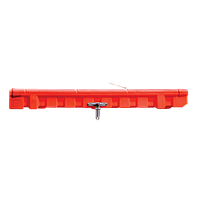
Wire Insulators and Sleeves
Reliable temperature measurement often depends on details that are easy to overlook. In sensor assemblies, heating systems, and industrial test setups, the materials surrounding the conductor can be just as important as the wire itself. Proper insulation and mechanical protection help maintain signal integrity, reduce wear, and support safer operation in demanding environments.
Wire Insulators and Sleeves are used to protect temperature-related wiring from heat, abrasion, vibration, and contact with surrounding components. In practical applications, they support cleaner cable routing, help separate conductors where needed, and extend the service life of wiring used in measurement and process systems.
Why insulation and sleeving matter in temperature wiring
Temperature measurement wiring is frequently installed near ovens, heaters, process piping, panels, or machinery where elevated temperatures and mechanical stress are common. In these conditions, exposed or poorly protected conductors can be vulnerable to damage, leading to unstable readings, premature failure, or increased maintenance.
Using the right insulation support helps create a more dependable wiring path. Sleeves and insulating components can reduce friction at contact points, improve separation between adjacent conductors, and provide an added barrier where routing passes through tighter or harsher areas of the installation.
Common roles of wire insulators and sleeves
Within a temperature wiring system, these components are not simply accessories. They often serve a functional role in protecting conductors and supporting the overall reliability of the measurement loop. Depending on the setup, they may be used for electrical isolation, bundling, shielding against surface wear, or reinforcing sections exposed to movement.
They are especially relevant when wiring transitions between different zones of an installation. For example, a cable run may leave a relatively protected control area and enter a hotter or more mechanically exposed section. In such cases, sleeving can add a practical layer of protection without changing the core wiring design.
- Protect conductors from abrasion and surface contact
- Support cleaner routing in compact assemblies
- Help maintain separation and electrical isolation
- Add mechanical protection in areas with vibration or movement
- Extend the usable life of wiring in demanding environments
Where these components are typically used
Wire insulators and sleeves are relevant across many industrial and laboratory environments where temperature signals must remain stable over time. Typical use cases include sensor lead routing in process equipment, internal panel wiring near heat-generating components, test benches, thermal chambers, and general-purpose instrumentation assemblies.
They are also useful in systems where temperature wires are installed alongside other electrical elements. In these layouts, thoughtful use of insulation materials can help reduce physical interference and improve serviceability when technicians need to inspect or replace wiring later.
How to choose the right option for your setup
Selecting the right product starts with the actual installation conditions rather than the part name alone. The most important considerations usually include operating temperature, exposure to friction or movement, routing constraints, and how the protected section will interface with the rest of the cable assembly.
It is also helpful to think about whether the priority is primarily thermal protection, electrical separation, or mechanical reinforcement. Some applications need only a simple sleeve for localized protection, while others benefit from a broader cable management approach that includes related items such as cables and patch cords for a more complete temperature wiring solution.
Integration within the broader temperature cable system
In many projects, wire insulators and sleeves are selected as part of a larger temperature measurement infrastructure rather than as standalone items. They work alongside conductors, terminations, and connection hardware to create a wiring path that is better suited to the actual environment. This is particularly important in installations where even small signal issues can affect process visibility or test accuracy.
When planning a system, it is useful to consider the complete path from sensor to instrument. A well-matched combination of wire, protection, and routing support can make troubleshooting easier and reduce avoidable stress on the assembly over time. For a broader view of associated products, users often also review wire insulation and sleeving options in relation to the rest of the temperature cable range.
Practical considerations for maintenance and replacement
Even when the primary conductor remains functional, the surrounding protective material can show wear first. Cracking, surface damage, discoloration, or loss of flexibility may indicate that the insulation support should be evaluated during routine maintenance. Replacing worn sleeving in time can help prevent larger wiring issues later.
For maintenance teams, standardizing protective components across similar equipment can simplify stock management and service procedures. It also helps maintain more consistent installation quality, especially in facilities where temperature-related wiring is used across multiple machines or process zones.
Supporting safer and more stable installations
Good wiring practice is rarely defined by the conductor alone. The surrounding protective elements influence durability, ease of installation, and how well the system stands up to real operating conditions. In temperature measurement applications, that extra layer of protection can make a meaningful difference in long-term performance.
For users comparing options in this category, the most effective choice is usually the one that fits the environment, routing method, and maintenance strategy of the application. A well-selected wire sleeve or insulator helps create a cleaner, more robust temperature wiring setup that supports reliable operation over time.
Get exclusive volume discounts, bulk pricing updates, and new product alerts delivered directly to your inbox.
By subscribing, you agree to our Terms of Service and Privacy Policy.
Direct access to our certified experts