
Thermal imaging binoculars
When visibility is limited by darkness, haze, or demanding outdoor conditions, being able to detect heat differences can be more useful than relying on conventional optics alone. For inspection teams, security operators, and field users who need fast visual awareness at a distance, thermal imaging binoculars offer a practical way to observe scenes based on temperature contrast rather than visible light.
Within the broader temperature measurement ecosystem, this product group supports applications where non-contact observation and situational monitoring matter. Compared with standard binoculars, these devices are used to identify people, animals, equipment, or heat-emitting targets more effectively in low-light or complex environments.
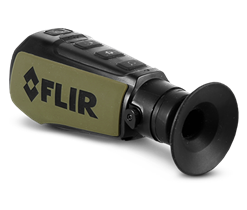
Where thermal imaging binoculars fit in real-world use
These instruments are commonly selected for outdoor observation, perimeter monitoring, patrol work, and field surveys where operators need a wider viewing experience than a handheld spot device may provide. The key benefit is the ability to detect thermal signatures at a distance without depending on ambient light, which can support faster detection and more confident visual assessment.
They are also relevant in broader inspection workflows. In some cases, users compare them with a thermal imaging camera when deciding between mobile handheld inspection and longer-range observation. The right choice usually depends on whether the priority is area surveillance, target acquisition, or close-up thermal analysis of equipment and surfaces.
Key characteristics buyers usually evaluate
For B2B purchasing, selection should focus on the operating context rather than a single headline specification. Important considerations typically include viewing distance, optical magnification, field of view, display clarity, recording capability, power source, and the expected working environment. Together, these factors affect how easily an operator can locate and track a target in the field.
Another point to review is how the device will be integrated into daily use. Some teams need simple observation for periodic checks, while others need image capture, storage, or output options for reporting and evidence. In these cases, the device should be assessed as part of a complete workflow, not just as a standalone optic.
How they differ from other temperature measurement tools
Although they belong to the wider temperature measurement landscape, thermal imaging binoculars serve a different purpose from contact sensors, indicators, or fixed measurement accessories. Their role is primarily thermal detection at a distance, helping users identify heat patterns across a scene rather than taking localized point measurements.
For example, facilities that already use temperature meters and indicators may add binocular-based thermal observation for perimeter checks, field diagnostics, or large-area scanning. In the same way, supporting components such as temperature wire and cable remain essential in installed systems, but they address a very different measurement task from mobile thermal observation.
Representative product within this category
A relevant example in this range is the Teronic 400B Telescope (7X). Based on the available context, this model combines optical magnification with digital zoom, a CMOS imaging platform, IR support, onboard storage compatibility, and USB connectivity, making it suitable as an illustration of how this category can bridge observation and digital output in one device.
Its listed features indicate a design intended for field use, with both daytime and nighttime viewing considerations. That does not mean every product in the category will follow the same configuration, but it shows the kind of practical balance buyers often look for: usable viewing range, manageable power supply, and a form factor suitable for mobile operation.
Brand context and solution planning
For customers looking at this category through a brand lens, Teronic is one of the referenced manufacturers in the current catalog context. When reviewing brand-specific options, it is useful to consider not only the viewing device itself, but also expected usage frequency, battery strategy, storage needs, and whether the unit will be shared across teams or assigned to dedicated operators.
In B2B environments, procurement decisions are often tied to standardization and ease of deployment. A thermal observation device may be purchased for security, inspection, site monitoring, or field response, so consistency in operation and suitability for the intended workflow can be just as important as raw performance figures.
Selection tips for industrial and field buyers
A practical starting point is to define the observation distance and target type. Detecting motion along a perimeter, checking activity in remote outdoor areas, or scanning for hot objects in the field may each require a different balance of magnification, viewing angle, and display comfort. Choosing a device without this context can lead to over-specifying or under-specifying the application.
Buyers should also think about supporting conditions such as operating time, data handling, and transport. If the device is expected to be carried over long shifts, weight and battery format may matter. If documentation is important, storage and signal output become more relevant. This category is best evaluated as part of an operational task, not only as an optical product.
Choosing the right fit for your application
Thermal imaging binoculars are most useful when the goal is to observe and detect heat signatures across a wider scene, especially where visible-light viewing is limited. They can complement other temperature measurement tools by extending awareness beyond close-range inspection and fixed-point measurement.
If your requirement involves long-range observation, mobile field use, or thermal target detection in low-light conditions, this category is a strong starting point. Reviewing the intended environment, required viewing performance, and workflow needs will help narrow down the most suitable option with greater confidence.
Get exclusive volume discounts, bulk pricing updates, and new product alerts delivered directly to your inbox.
By subscribing, you agree to our Terms of Service and Privacy Policy.
Direct access to our certified experts