Many families only pay attention when the power goes down, the electrical outlets get hotter than usual, or the circuit breaker trips in the middle of cooking. Before that, everything was running smoothly, so very few people think about checking the electrical load in their home.
Why do families usually use more electricity during Tet than usual?
Normally, electrical appliances are used sporadically according to daily routines. Cooking meals is done on schedule, the TV is turned on for a short while in the evening, then turned off. During Tet Holiday, the rhythm of life changes completely. Cooking takes longer, sometimes with multiple dishes prepared simultaneously. Newly purchased appliances are often plugged in immediately, sometimes even sharing outlets for convenience.
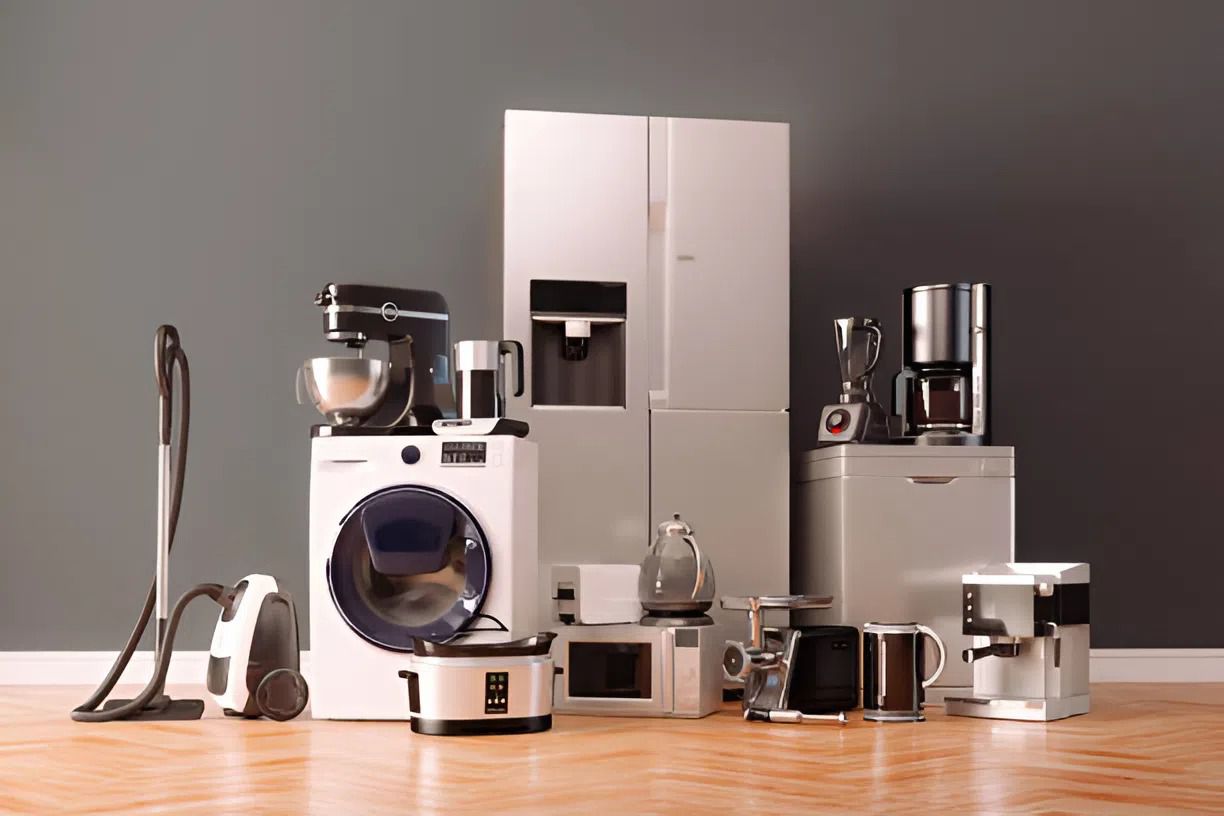
Besides the kitchen, other areas of the house also consume more electricity. Decorative lights are left on all night, and air conditioners run continuously because there are more people in the house. The total electricity consumption doesn't increase from a single appliance, but gradually increases from many small habits combined, causing the electrical system to bear a heavy load in a short period.
Could the circuit breaker tripping repeatedly during Tet be due to a newly purchased appliance?
Many people experience the problem of the circuit breaker tripping only during lunchtime cooking or in the evening when the whole family is busy. If this only happens at certain familiar times, it's likely due to usage patterns rather than a faulty new appliance.
New appliances usually have higher power ratings than older ones, but this only becomes a problem when sharing an outlet or power line with many other devices. They work fine individually, but overload occurs when multiple devices are used simultaneously. In this case, replacing the circuit breaker with a higher-powered one might not solve the problem, as the root cause remains improper power distribution.
What can a clamp meter be used to test when dealing with a lot of electrical equipment?
A clamp meter is perfect for quickly checking your home's electrical usage during the Lunar New Year holiday without having to unplug sockets or deeply interfere with the system. Simply clamp it to the power supply for each branch, and you can immediately see which branch is handling the most appliances.

The key to using a clamp meter lies in observing the changes. For example, what was the current level in the stove branch before turning on the air fryer, and how much did it increase after it was turned on? How did the current decrease when some appliances were switched off? Comparing the before and after results helps quickly understand which appliances are putting the most strain on the system.
EMIN distributes clamp meters from brands like Hioki, Kyoritsu, Extech and Fluke, all capable of measuring AC current stably, making them suitable for household electrical testing. Their compact design and simple operation make them easy to use and familiar, even for non-professionals.
In reality, simply adjusting your electrical habits can significantly reduce the number of tripped circuit breakers. High-power appliances like electric stoves, fryers, and microwaves should be used sparingly with extension cords. If possible, separate them into different outlets or use them alternately, avoiding turning them on simultaneously.
The living room is also a common area for overload during Tet Holiday. TVs, speakers, decorative lights, and phone chargers are often plugged into the same outlet for convenience. When tested with an ammeter, many families realize that this branch consumes significantly more electricity than they initially thought.
Small changes like turning off unnecessary appliances, spacing out usage times, and rearranging power outlets efficiently often yield more noticeable results than buying new ones. When the electrical system is used properly, Tet holiday activities become easier, and there's no need to worry about power outages while the whole family is gathered together.
See also the article about clamp meters:
Have you learned the meanings of all the function buttons on a clamp meter?
Is the Hioki 3280-20F clamp meter discontinued? Which model replaces it?
Should you buy a used Hioki 3280-10F clamp meter?Should you buy a used Hioki 3280-10F clamp meter?
Kyoritsu or Hioki? Which clamp meter should you buy right now?