Power hand tool
Fast, repeatable work on metal, wood, construction materials, and general maintenance often depends on choosing the right powered tool for the job. In industrial workshops, installation teams, and MRO environments, the goal is not only cutting or drilling faster, but also improving consistency, reducing operator fatigue, and matching the tool to the duty cycle and material.
Power hand tools cover a broad range of portable electric and battery-powered equipment used for drilling, fastening, grinding, cutting, sanding, and surface preparation. This category brings together practical options for production support, field service, fabrication, and facility maintenance, along with compatible consumables and accessories that help keep work moving.

Where power hand tools fit in industrial work
Portable powered tools are widely used when fixed machinery is not practical, when technicians must work on-site, or when flexibility is important across multiple tasks. They are common in panel building, machine installation, steelwork, repair operations, construction support, and plant maintenance.
Compared with manual tools, powered equipment can improve throughput and help operators maintain more uniform results. For teams that also evaluate workflow alternatives, some jobs may be better suited to pneumatic tools in air-equipped environments, while torque control and bench processes may overlap with assembly tools depending on the application.
Typical tool groups in this category
This category supports several common job types. Drilling tools are used for creating holes in metal, wood, and other materials; impact tools are selected when higher fastening torque is needed; grinders and cutting tools handle stock removal, edge preparation, and material separation; sanders improve finish quality before coating or final assembly.
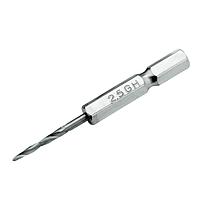
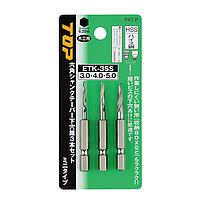
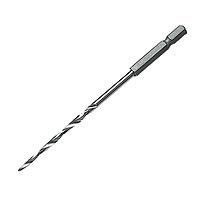
Consumables are just as important as the tool body itself. Drill bits, cutting discs, grinding wheels, and chiseling accessories directly affect cut quality, surface finish, productivity, and safety. In practice, a well-matched accessory often makes more difference than simply choosing a higher-powered machine.
Representative products for drilling, fastening, and grinding
For fastening and maintenance work, the BOSCH GDS 18V-350 cordless impact wrench is a good example of a compact battery-powered solution for mobile service teams. With 18.0 V operation and multi-level torque adjustment, it suits applications where portability, controlled fastening, and quick intervention are more important than using a corded setup.
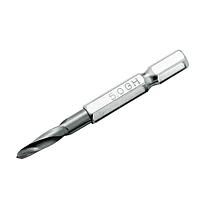
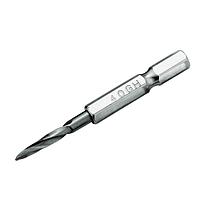
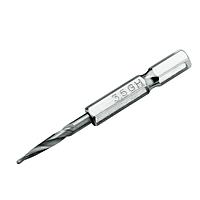
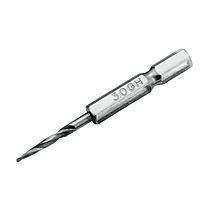
In drilling applications, the HITACHI KOKI D13VH drilling machine represents a familiar corded format for general workshop use, while accessories such as the BOSCH HSS-CO Drill bit 4mm support accurate hole making in suitable materials. For grinding and cutting, examples such as the DEWALT DWE8200T-B1 angle grinder, DEWALT D28414 angle grinder, and BOSCH GWS 2200-180 angle grinder show the difference between lighter handheld work and heavier-duty stock removal tasks.
Surface finishing is another important area. The BOSCH GEX 125-1 AE orbital sander is a typical option for sanding and preparation work where smoother finishing and controlled material removal are required. Alongside the machine, consumables such as the BOSCH A 30 R BF cutting disc, BOSCH 2608600017 iron grinding wheel, and BOSCH 2608600266 cutting disc play a direct role in determining application suitability.
How to choose the right tool for the task
A useful starting point is the application type: drilling, fastening, cutting, grinding, sanding, or demolition. From there, consider the workpiece material, required output quality, access to the work area, and whether the tool will be used occasionally, repeatedly through a shift, or in demanding field conditions.
Power source is another practical filter. Battery tools improve mobility and reduce cable management, which is valuable for maintenance crews and installers. Corded tools are often preferred when the job involves longer continuous operation or when stable power delivery matters more than portability. Accessories and consumables should be chosen with equal care, especially for grinding and cutting operations where diameter, thickness, and material compatibility affect both performance and operator safety.
Why accessories matter as much as the machine
Many buyers focus first on motor power or torque, but real-world results depend heavily on the accessory attached to the tool. A drill bit must match the material and the hole requirement; a cutting disc must fit the machine and intended cutting task; a grinding wheel must be suitable for the workpiece and removal rate.
This is why the category includes not only machines but also supporting items such as drill bits, grinding wheels, cutting discs, batteries, and chiseling accessories. For example, the DEWALT DCB184-B1 battery is not a standalone production tool, but it is essential within a cordless workflow because runtime planning and battery availability directly affect uptime in the field.
Brand options and purchasing considerations
Brand selection in B2B purchasing usually comes down to compatibility, service familiarity, operator preference, and the availability of matching accessories. Within this category, names such as BOSCH, DEWALT, and HITACHI KOKI appear across common workshop and site applications, while other manufacturers in the broader tools portfolio may support adjacent needs depending on the task profile.
It is often more effective to standardize around a manageable tool ecosystem than to buy isolated items one by one. Buyers comparing powered options with electrical rework tasks can also review tools for soldering and SMT work when their process includes electronics assembly or repair rather than purely mechanical operations.
Good practice for operation and maintenance
Reliable performance depends on more than the initial purchase. Routine inspection of cables, batteries, mounts, chucks, guards, and consumables helps reduce unplanned downtime and supports safer operation. Worn discs, damaged bits, or unsuitable accessories can lower accuracy and increase risk even when the power tool itself is in good condition.
For industrial users, it is also worth aligning tool selection with the expected maintenance plan. That includes keeping common consumables available, selecting batteries that fit the working schedule, and choosing tool formats that technicians can handle comfortably over longer periods. Tool weight, balance, and access in confined spaces are often just as important as headline power figures.
Finding a suitable power hand tool setup
The best choice usually comes from matching the tool, accessory, and operating environment rather than looking at a single specification in isolation. A cordless impact wrench may be ideal for mobile tightening work, a corded drill may suit repeated workshop drilling, and a larger angle grinder may be more appropriate for heavier cutting or grinding duties. Likewise, finishing tasks benefit from selecting the proper sander and abrasive combination rather than using a general-purpose grinder for every job.
This category is designed to support that broader selection process, from compact drilling and fastening equipment to grinders, sanding tools, and the consumables that keep them productive. If you are reviewing options for maintenance, fabrication, or on-site service, focus on application fit, accessory compatibility, and the working conditions your team faces every day.
Get exclusive volume discounts, bulk pricing updates, and new product alerts delivered directly to your inbox.
By subscribing, you agree to our Terms of Service and Privacy Policy.
Direct access to our certified experts