Board Handling Conveyors
Efficient SMT production depends on more than printers, placement systems, and soldering equipment. Between each process step, boards still need to be loaded, transferred, buffered, inspected, turned, flipped, or unloaded without interrupting line balance. That is where Board Handling Conveyors play a critical role in keeping PCB assembly lines organized, stable, and compatible across different machines.
In this category, you can find handling equipment designed to support board movement throughout the production flow, from magazine loading at the front end to unloading and orientation changes at the back end. These systems are commonly selected for electronics manufacturing lines that need reliable PCB transport, SMEMA compatibility, and practical integration with manual or automated stations.
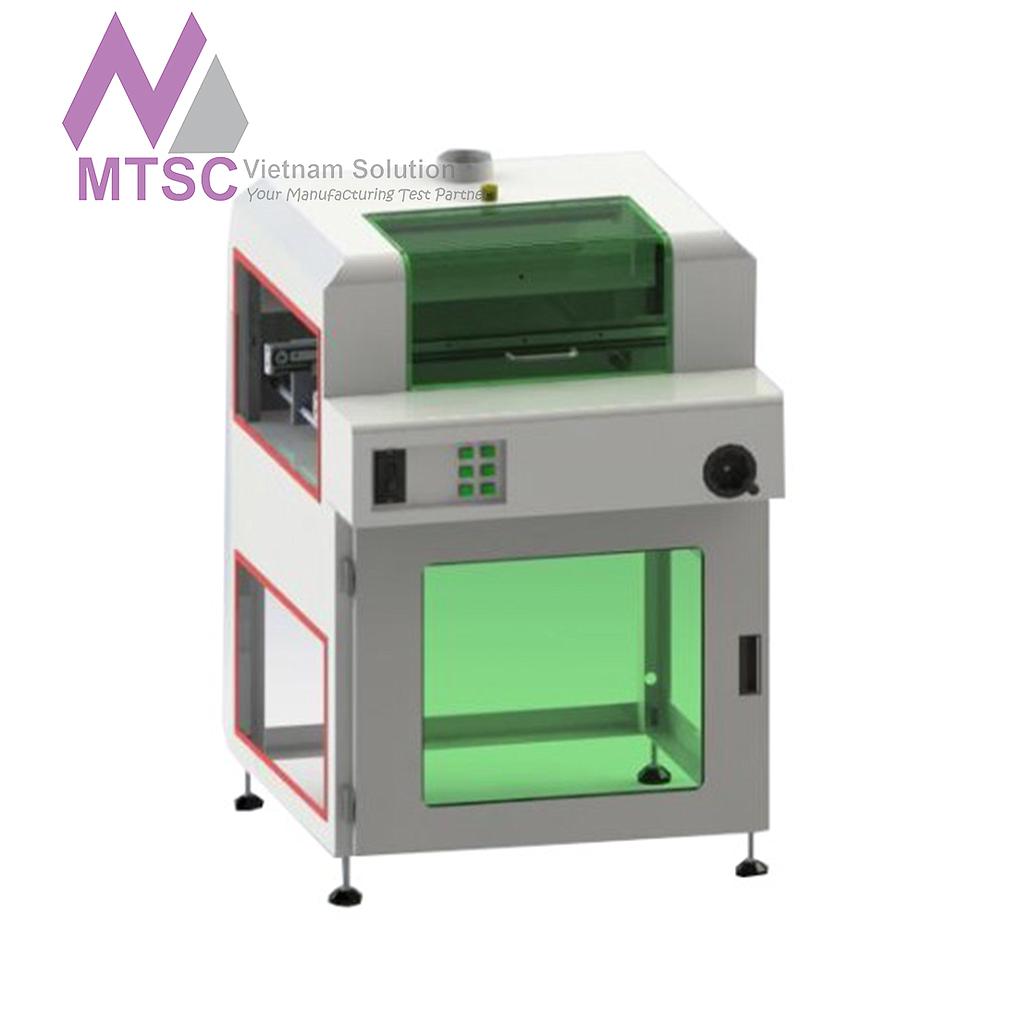
Why board handling equipment matters in PCB assembly
In a modern SMT or through-hole environment, transport equipment is not just a passive conveyor. It helps maintain throughput, protects assemblies during transfer, and connects separate process steps into a coordinated line. A well-matched board handling setup can reduce idle time between machines, simplify operator intervention, and support more predictable production flow.
These systems are especially important when boards need to pause for visual checks, change direction to fit floor layout, or move between top-side and bottom-side processing. In many factories, the right combination of conveyors, loaders, unloaders, and buffers can improve usability just as much as the main production equipment itself.
Typical functions covered in this category
This category includes several types of PCB handling equipment used around SMT lines and related electronics assembly processes. Depending on the production layout, the equipment may be used to feed panels from magazines, create transfer gaps between machines, provide temporary buffering, or re-orient boards before the next step.
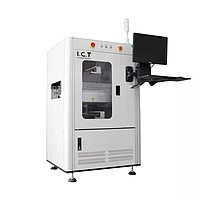
- Magazine loaders for feeding PCBs into the process line
- Magazine unloaders for collecting completed boards at the line end
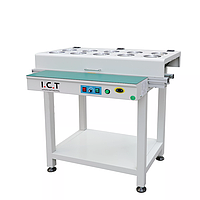
- Linking and buffering conveyors for transfer, staging, and manual handling points
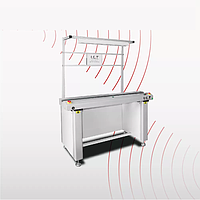
- Inspection conveyors for UV or visual checks during production
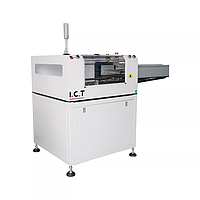
- Turning conveyors for 90-degree direction changes
- Automatic flippers for inverting assemblies for bottom-side processing
- Vertical buffers for FIFO or LIFO flow management
Because these devices sit between major process machines, buyers typically focus on board size range, transfer direction, working height, and interface compatibility rather than on isolated machine performance alone.
Representative solutions from Anda and MANNCORP
This range includes equipment from Anda and MANNCORP, two names commonly associated with PCB line support equipment. Both are relevant when building or expanding an SMT handling line, especially where users need practical machine-to-machine transfer and straightforward integration.
Examples from Anda include the LD-460W and LD-330W magazine automatic loaders for feeding boards from stacks or magazines, as well as the ULD-460W and ULD-330W automatic unloaders for end-of-line collection. For line routing and intermediate transfer, models such as the ADJ-450 linking and buffering conveyor and the ABR-450 90 degree turn conveyor illustrate how handling equipment can solve layout and workflow constraints without changing the core process machines.
For applications involving board inversion or staging, Anda UL-460W and UL-350W automatic flippers support bottom-side processing workflows, while MANNCORP options such as the HB-350W-ST vertical LIFO/FIFO buffer and BR-460W-ST PCB turning conveyor show how buffering and orientation control can be added where needed. In wave soldering environments, the MANNCORP WU-120M-H1 belt unloader is another example of handling equipment matched to a specific downstream process.
Key selection points before choosing a conveyor or handling unit
The most important factor is usually the PCB size range the equipment must support. In this category, some models are intended for narrower boards, while others can accommodate larger panels up to 460 x 535 mm. Matching the actual board and pallet dimensions to the machine range is essential for stable transfer and proper alignment.
Next, consider line integration details such as transfer direction, working height, and communication standard. Many products listed here are described as SMEMA compatible, which is useful for linking different machines within a production line. If the handling unit must sit between soldering, inspection, or manual assembly stations, height and transfer consistency become especially important.
It is also worth checking whether the application calls for simple transport or a more specific function. A basic linking conveyor is different from a UV inspection conveyor, and a turning conveyor is different from a flipper. Choosing the wrong format can create bottlenecks even when the board size appears to fit.
How these systems fit into a broader SMT workflow
Board handling equipment is rarely purchased in isolation. It is typically part of a wider production setup that may include soldering, rework, inspection, and manual assembly stages. For example, boards may move through handling conveyors before entering downstream tools such as soldering stations or specialized BGA rework equipment during repair and recovery operations.
In real manufacturing environments, these transitions matter. A conveyor may create an ergonomic handoff for operators, allow visual confirmation under lighting, or provide a controlled delay before the next thermal or assembly process. This makes board handling equipment an important part of line design, not just an accessory around the main machines.
Use cases by production stage
At the front of the line, magazine loaders are used to introduce PCBs into the process flow with more consistency than manual feeding. Mid-line conveyors are often selected where visual inspection, manual assembly, or buffering is needed between automated stations. When floor space or process order requires a directional change, a 90-degree turn conveyor can help route assemblies more efficiently.
For double-sided or bottom-side operations, automatic flippers are relevant because they invert assemblies for the next process step. At the end of the line, unloaders collect finished boards into magazines or stacks, helping maintain output order and reducing manual board handling. In operations with variable takt time, vertical buffers can help absorb temporary differences between upstream and downstream equipment.
What to compare when reviewing product options
When comparing models in this category, look beyond the product name and focus on the practical match to your line. Transfer width, board range, conveyor speed, working height, power requirements, air supply needs, and magazine format all affect whether a unit will fit into an existing process.
It is also useful to compare the intended role of each machine. The Anda ADJ-450UV, for example, is positioned for UV inspection support, while the ADJ-450 is aimed more broadly at linking and buffering. Likewise, the difference between a loader, unloader, turning conveyor, and flipper is operational, not just mechanical. Clarifying the exact line function first usually leads to a better equipment shortlist.
Choosing the right board handling configuration
The best setup depends on how your PCB line actually runs: board dimensions, product mix, line speed, operator touchpoints, and whether the line includes single-side, double-side, or wave soldering processes. For some users, a simple loader-conveyor-unloader sequence is enough. For others, adding turning, flipping, or buffering functions can make the line easier to manage and more adaptable to changing jobs.
This category is intended for buyers who need reliable ways to move assemblies through production with better control and compatibility. By reviewing the available loaders, unloaders, buffers, inspection conveyors, and turning solutions from Anda and MANNCORP, you can build a handling flow that supports the rest of your SMT process without unnecessary complexity.
Get exclusive volume discounts, bulk pricing updates, and new product alerts delivered directly to your inbox.
By subscribing, you agree to our Terms of Service and Privacy Policy.
Direct access to our certified experts