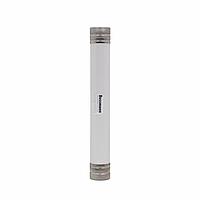
Fuses
Reliable overcurrent protection is a basic requirement in power distribution, control panels, electronic assemblies, telecom hardware, and industrial equipment. Choosing the right fuse is not only about matching current and voltage ratings; it also means considering response speed, interrupting capacity, mounting style, and the type of fault the device is expected to clear. This is why Fuses remain a core part of practical circuit protection across both low-power electronics and heavier industrial systems.
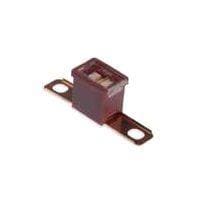
Where fuses are used in industrial and electronic systems
A fuse is designed to open the circuit when current rises beyond a safe level, helping protect equipment, wiring, and downstream components from damage. In real applications, that can mean protecting a PLC power path, a motor control branch, a telecom board, a display circuit, or a higher-energy industrial feeder. The correct selection depends on the energy available in the system and how sensitive the protected load is to inrush current or fault current.
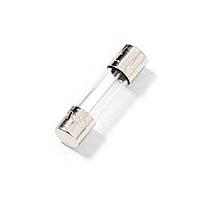
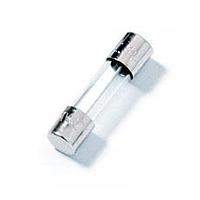
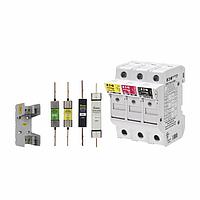
Within one category, you may find very different formats and use cases. For example, glass tube designs are common in serviceable equipment, cartridge styles are widely used in industrial installations, and chip or compact board-level versions fit dense electronic assemblies. For systems that also require mechanical mounting support, it is often helpful to review compatible fuse holder options at the same time.
Common fuse characteristics that affect selection
The most important starting points are rated current, voltage rating, and breaking capacity. A fuse must be able to carry normal load current without nuisance opening, while still interrupting a fault safely at the system voltage. Breaking capacity becomes especially important in industrial power circuits where available fault current can be much higher than in small electronic devices.
Another key factor is the time-current behavior. Fast-acting designs are often chosen for sensitive electronics and semiconductor protection, while time-delay or slow-blow versions can tolerate temporary startup surges from transformers, motors, or capacitive loads. Physical format also matters, since installation may require a holder, clips, bolt mounting, or direct board assembly depending on the equipment architecture.
Examples across glass, cartridge, chip, and specialty fuse formats
The range in this category covers multiple protection approaches rather than one single device style. An example such as the Eaton Bussmann MDL-1/2-R time-delay glass tube fuse illustrates a serviceable format suited to applications where temporary inrush current must be tolerated without sacrificing fault protection. In contrast, compact parts like the Eaton SS-5F-500MA-AP chip fuse or the Bourns SF1206SA200W2 are more relevant when board space is limited and protection has to be integrated at PCB level.
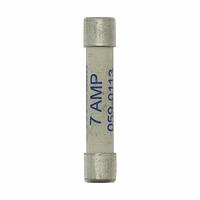
Industrial cartridge solutions are also well represented. Models such as Eaton BAF-25 Midget, Eaton FRS-R-3-1/2, and Eaton NON-40 Class K5 show how fuse choice can vary by class, current level, and application environment. For higher-energy circuits, products like the Eaton 7.2WKNHO315 demonstrate that fuse technology also extends into medium-voltage protection where interruption requirements are much more demanding than in standard electronic equipment.
How to choose between fast-acting and time-delay protection
In many projects, one of the first practical decisions is whether the circuit needs fast-acting or time-delay behavior. Fast-acting fuses are generally preferred where semiconductors, communication circuits, display modules, or tightly rated conductors need rapid response to abnormal current. A product such as Eaton BK/GMT-1-1/2A, intended for telecom-related use, reflects this need for quick interruption in lower-power signaling or equipment circuits.
Time-delay and slow-blow options are more suitable where temporary inrush is part of normal operation. The Eaton Bussmann MDL-1/2-R and Eaton ACK-400 Slow Blow are examples of fuse styles that align with loads that may draw a short surge at startup. This type of selection helps avoid nuisance replacement while still maintaining meaningful protection when a sustained overload or short circuit occurs.
Manufacturer coverage and ecosystem considerations
For buyers managing maintenance, repair, or new equipment builds, manufacturer consistency can matter as much as the electrical rating itself. This category includes products from Eaton, along with solutions from Eaton Bussmann and Bourns. These brands are commonly associated with circuit protection across industrial, power, and electronics-oriented applications, giving engineers and purchasing teams flexibility across different mounting styles and protection levels.
It is also useful to think beyond the fuse body alone. Installation method, service access, replacement intervals, and holder compatibility all affect long-term maintenance. In panel builds or service-friendly equipment, the surrounding hardware can be just as important as the fuse element itself, especially when quick replacement and clear identification are operational priorities.
Supporting components and related protection categories
A fuse performs best when it is matched with the right mechanical and electrical support. Depending on the application, this may include clips, holders, and accessories that ensure secure contact, correct fit, and safe replacement procedures. If your design uses cylindrical or cartridge styles, reviewing suitable fuse clips can help streamline assembly and service planning.
In broader protection design, fuses are only one part of the overall strategy. Some systems also need surge suppression, ESD control, or complete maintenance assortments for field service. The right combination depends on whether the priority is protecting semiconductor inputs, field wiring, power conversion stages, or replaceable branch circuits.
Practical buying considerations for B2B sourcing
For industrial buyers, the best selection process usually starts with the equipment documentation and then narrows by operating current, fault level, form factor, and compliance requirements already defined in the design. It is important to avoid choosing by size alone, because two parts with similar dimensions may differ significantly in speed, interrupting rating, or intended application. That is particularly true when comparing electronics fuses with industrial cartridge or power distribution types.
When sourcing for production or maintenance, it also helps to standardize around a manageable set of fuse families. Doing so can simplify spares management, reduce installation errors, and support more consistent servicing across equipment fleets. Whether the need is for a board-level protective device, a midget cartridge format, a glass tube fuse, or a heavier industrial unit, the category should be approached as a selection of application-specific protection options rather than interchangeable parts.
Finding the right fuse for your application
Good fuse selection balances electrical safety, equipment uptime, and practical maintenance. By comparing current rating, voltage, interrupting performance, response time, and mounting method, buyers can narrow the range to parts that fit the real operating conditions of the circuit. That makes the category useful not only for replacement sourcing, but also for design support across industrial control, electronics, telecom, and power-related systems.
If you are evaluating protection components for a new build or a maintenance requirement, start with the fault conditions and load behavior first, then confirm the physical format and installation method. That approach makes it much easier to identify the right fuse family and supporting hardware for dependable long-term operation.
Get exclusive volume discounts, bulk pricing updates, and new product alerts delivered directly to your inbox.
By subscribing, you agree to our Terms of Service and Privacy Policy.
Direct access to our certified experts