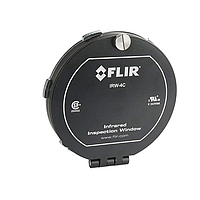
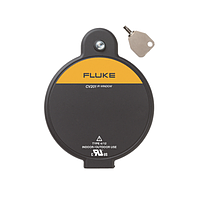
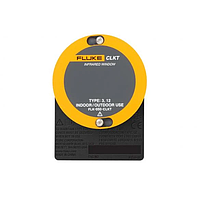
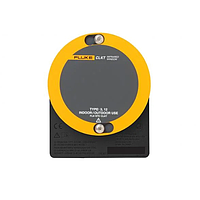
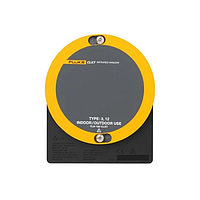
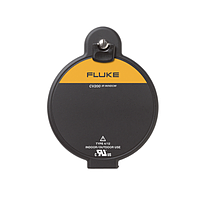
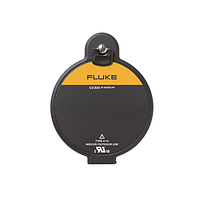
Infrared window
Reducing inspection time while improving electrical safety is a practical priority in modern plants, substations, and maintenance programs. A Infrared window makes that possible by creating a sealed viewing point on an electrical enclosure, so technicians can check internal thermal conditions with an IR camera without opening the panel during routine inspections.
For facilities focused on uptime, predictive maintenance, and safer work practices, these windows are more than a simple accessory. They help support faster condition monitoring, more consistent inspection routes, and better visibility into developing hot spots inside switchgear, motor control centers, and other energized equipment.
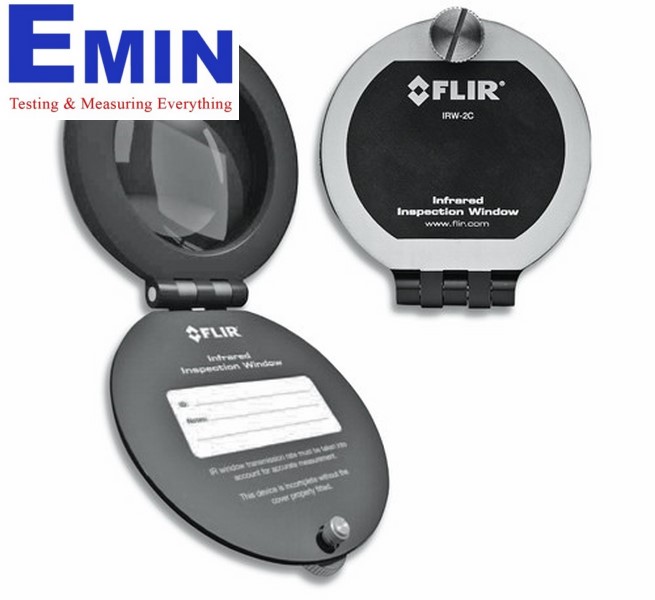
Why infrared windows matter in electrical maintenance
In many facilities, opening a live electrical cabinet is a controlled task that can increase risk, require additional safety procedures, and extend inspection time. By allowing thermal inspection through a dedicated optic, infrared windows help maintenance teams collect temperature data more efficiently while reducing direct exposure to energized components.
This approach is especially useful in preventive and predictive maintenance programs, where inspection frequency matters. When technicians can scan critical assets more quickly, it becomes easier to identify abnormal heating trends before they lead to unplanned downtime or component failure. These windows are commonly used together with a thermal imaging camera as part of a practical condition-monitoring workflow.
Where these windows are typically used
Infrared windows are typically installed on electrical enclosures where internal temperature checks are important but direct access is less desirable during normal operation. Typical applications include low- and medium-voltage cabinets, switchgear, distribution panels, motor control centers, and other enclosed power systems that require periodic thermal inspection.
They are also relevant for service contractors and reliability teams managing large numbers of assets across multiple sites. In those cases, the value is not only safety-related. Faster inspections can also improve route efficiency, reduce time spent on each panel, and make thermal surveys more repeatable from one maintenance cycle to the next.
What to consider when selecting an infrared window
The right model depends on the enclosure, inspection method, and environmental conditions. Window size affects how much of the internal area can be viewed, so compact panels may only need a 50 mm option, while larger cabinets may benefit from 75 mm, 95 mm, or 100 mm designs to improve visibility and scanning flexibility.
Ingress protection and enclosure suitability are also important. In this category, you will find models designed for indoor and outdoor use with Type 4/12 or Type 3/12 environmental ratings, as well as IP65 or IP67 protection depending on the product. This helps maintain enclosure integrity after installation, which is essential in industrial environments exposed to dust, moisture, or washdown conditions.
Another key factor is compatibility with the inspection task itself. Some products support short-, mid-, and long-wave IR as well as visual or UV-capable inspection workflows. That matters when users need broader diagnostic flexibility rather than a basic viewing port alone.
Representative product options in this category
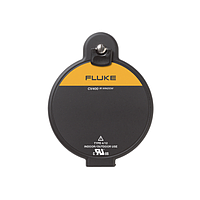
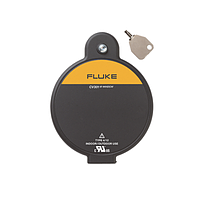
Several models in this range illustrate how infrared windows are matched to different enclosure sizes and operating needs. For example, the FLUKE CV200 and Fluke CV201 are compact 50 mm options suited to tighter panel layouts, while the FLUKE CV300 and FLUKE-CV301 provide a larger 75 mm format for broader viewing access.
For applications where a wider viewing aperture is preferred, the FLUKE CV400 and FLUKE CV401 move into the 95 mm class. There are also outdoor/indoor application models such as the FLK-050-CLKT, FLK-075-CLKT, and FLK-100-CLKT, which offer different aperture sizes and environmental protection levels for more demanding installation conditions.
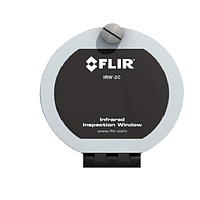
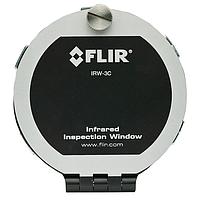
On the FLIR side, examples such as the 3"-IRW-3C and 4"-IRW-4C are available in different body materials including anodized aluminum and stainless steel AISI 316. This gives buyers more flexibility when enclosure material selection, corrosion resistance, or site-specific standards influence the final choice.
FLIR and FLUKE in this category
Two of the most relevant manufacturers here are FLIR and FLUKE. Both are well known in thermal inspection and electrical maintenance environments, and both offer infrared window solutions intended to support safer inspection routines without unnecessary disruption to normal operations.
Within the available products, FLUKE models stand out for broad compatibility with Fluke cameras, single-hole installation concepts, and options such as hand-turn or security-key latches depending on the model. FLIR options in this category add material choices and a range of aperture sizes that can suit both compact and larger enclosures. The best fit usually depends less on brand preference alone and more on panel layout, environmental exposure, and inspection practice.
Installation and practical selection points
An infrared window should be chosen with the cabinet cutout, available door space, and expected viewing angle in mind. Required hole diameter, overall dimensions, and aperture size all influence whether the optic will provide a practical line of sight to the components that need regular inspection.
It is also worth checking whether the site prefers a hand-turn latch for convenience or a security-key style latch for access control. In facilities with stricter procedures, that small detail can matter during standardization across multiple panels. If your maintenance team uses additional accessories during inspection or installation, related items may also be found under temperature accessories.
For broader monitoring strategies, some facilities combine infrared windows with spot-check tools such as temperature meters and indicators or permanent visual aids like labels for quick status reference. The right combination depends on whether the goal is route-based thermal imaging, simple local indication, or a layered maintenance program.
Long-term value for uptime and safety programs
The cost of an infrared window is usually small compared with the impact of a missed overheating issue inside critical electrical equipment. A developing hot connection, overloaded component, or deteriorating termination can escalate into downtime, emergency maintenance, or safety incidents if it is not detected early.
That is why many organizations view these products as part of a broader predictive maintenance strategy rather than as standalone hardware. By making thermal inspections easier to perform on schedule, they support better asset visibility and help maintenance teams act before faults become expensive.
Choosing the right infrared window comes down to balancing aperture size, enclosure protection, installation constraints, and inspection workflow. In this category, you can compare compact and large-format options from FLIR and FLUKE to find a solution that fits your electrical panels and maintenance objectives with less compromise.
Get exclusive volume discounts, bulk pricing updates, and new product alerts delivered directly to your inbox.
By subscribing, you agree to our Terms of Service and Privacy Policy.
Direct access to our certified experts