Meters & Indicators
Clear, readable measurement data is essential wherever operators need to verify conditions, monitor process values, or check equipment status at a glance. In industrial panels, building systems, laboratory setups, and facility monitoring points, the right display device helps turn electrical signals into practical information that supports safer operation and faster decisions.
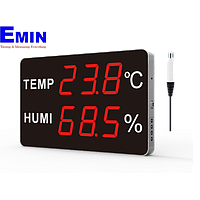
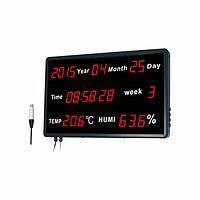
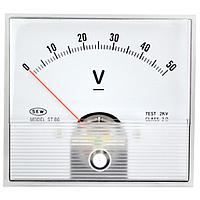
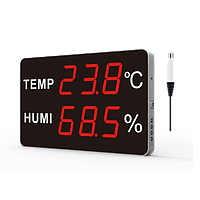
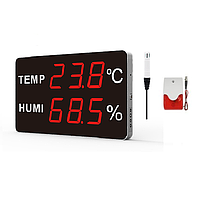
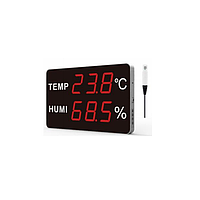
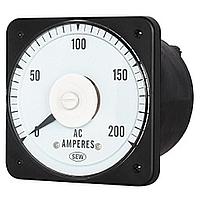
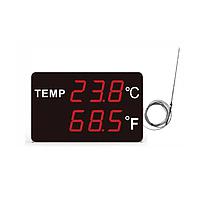
Meters & Indicators covers a broad range of display and monitoring devices used to present process values such as current, voltage, temperature, humidity, pressure-related readings, and other operating parameters. This category is especially relevant for applications that require local visualization on a panel, compact signal indication, or straightforward status checking without adding unnecessary complexity to the control architecture.
Where meters and indicators fit in control and monitoring systems
In many systems, instruments do more than simply show a number. They serve as the visible interface between field signals and the people responsible for operation, maintenance, and troubleshooting. Whether the source signal is a 4-20 mA loop, a low-voltage analog input, or a measured environmental condition, a meter or indicator makes that information accessible in real time.
This function is particularly useful in distributed installations where local visibility matters. A compact display on a machine door or panel cutout can reduce the need to open software dashboards for every quick check. For broader system design context, users often pair these products with controller devices or integrate them into larger process control and monitoring systems.
Common product types within this category
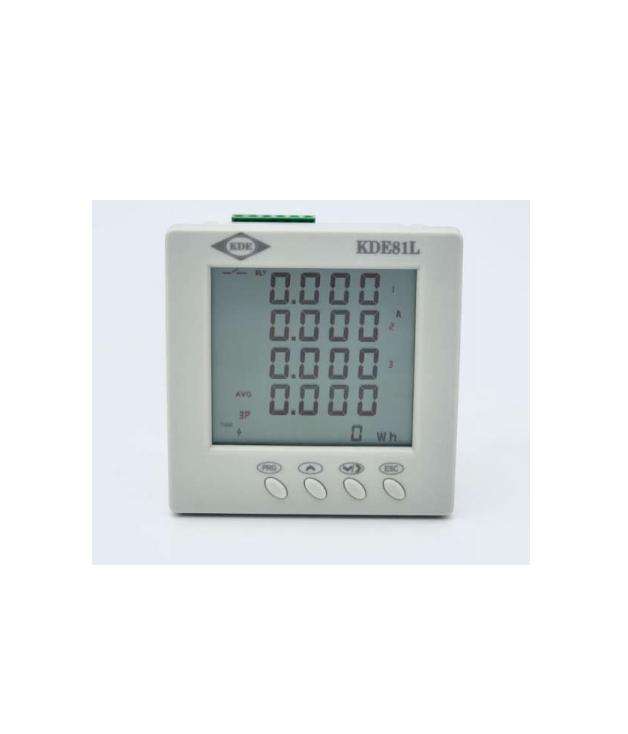
The scope of this category typically includes panel-mounted displays, process readouts, and application-specific indicators used to present measured or converted signals. Some products are designed around analog current loops, while others accept voltage inputs and scale them into operator-friendly engineering units. The practical goal is the same: provide a stable and easy-to-read value at the point of use.
Several featured examples from Dwyer illustrate this well. The DPMA series includes compact LCD digital panel meters in 1/8 DIN format, with versions intended for current or voltage input. Models such as the Dwyer DPMA-401, DPMA-402, DPMA-404, DPMA-501, DPMA-502, and DPMA-504 show how a family of indicators can address different power and signal preferences while maintaining a familiar installation footprint.
Panel meters for local display of analog signals
Panel meters are a common choice when a system needs direct front-panel indication of process values. They are widely used in OEM machinery, utility panels, test benches, and building automation interfaces because they provide a dedicated display without requiring a full HMI. When the signal comes from transmitters, converters, or loop-powered instruments, a panel meter can provide immediate visual confirmation that the process is within the expected range.
The Dwyer DPMA family in this category is a good example of this role. Based on the listed products, these meters support current and voltage-oriented configurations, include LCD displays, and are built for panel integration with screw terminal connections. Depending on the version, users can choose loop-powered or DC-powered operation, which is often an important consideration when designing around available cabinet power and signal architecture.
Environmental measurement and multifunction monitoring
Not every indication task is tied to a control cabinet. In many environments, operators also need portable or local tools to check conditions such as temperature, humidity, airflow, sound level, or illumination. That is where multifunction measuring instruments can complement fixed indicators and provide a broader view of operating conditions.
The Dwyer EMMA Multifunction Environmental Meter is a strong illustration from the featured products. It combines several measurement functions into one handheld instrument, making it useful for spot checks in HVAC, indoor environmental assessments, and maintenance work. In practice, devices like this support verification activities around air movement, ambient comfort, and facility performance, while fixed displays continue to handle continuous indication at the panel level.
How to choose the right meter or indicator
Selecting the right device starts with the input signal type. Some applications require a display for standard 4-20 mA signals, while others are based on voltage inputs such as low-level millivolt ranges or 0-10 Vdc. Matching the input correctly helps ensure stable readings and simplifies commissioning.
The next step is to consider power method, mounting style, and readability. Loop-powered designs can be attractive where cabinet space and wiring need to stay simple, while DC-powered versions may suit installations with dedicated power available. Display color, digit size, and panel format also matter, especially in environments where operators need to identify values quickly from a distance or under varying lighting conditions.
It is also worth thinking about the broader device ecosystem. If the application may later expand toward alarms, feedback loops, or automated control logic, related categories such as control and monitoring accessories or complementary panel meter solutions can help support a more scalable setup.
Typical application environments
Industrial monitoring is one of the most common use cases for this category. Panel displays are frequently installed in manufacturing equipment, water and utility systems, HVAC control panels, and energy-related applications where technicians need local confirmation of current operating values. A dedicated indicator can improve visibility during startup, maintenance, and fault isolation.
Laboratories, pilot systems, and facility engineering teams also benefit from these devices. In these settings, meters and indicators can provide a simple way to observe sensor outputs, verify analog transmission behavior, or check environmental conditions during setup and validation. The category supports both permanent installation and portable verification workflows, depending on the product type selected.
Why this category matters for system reliability
Reliable indication is often underestimated until a system becomes difficult to read, diagnose, or maintain. A well-matched meter helps operators confirm that a transmitter is active, a loop is functioning, or a measured variable is staying within the intended range. Even when a plant uses centralized supervision, local displays remain valuable because they shorten troubleshooting time and reduce dependence on remote interfaces for routine checks.
From a maintenance perspective, a visible and properly scaled readout can also help identify drift, abnormal changes, or wiring issues earlier. That makes meters and indicators more than passive components; they are part of the practical human interface of a monitoring system.
Choosing with confidence
This category brings together display and indication devices for applications that need clear process visibility, compact installation, and dependable signal presentation. From LCD panel meters in the Dwyer DPMA series to multifunction tools like the Dwyer EMMA, the range supports both fixed monitoring and on-site verification tasks across industrial and facility environments.
If you are comparing options, focus first on signal compatibility, power method, mounting format, and the type of reading your team needs to see in daily operation. A suitable meter or indicator can make a control panel easier to use, a maintenance routine more efficient, and a monitoring system more practical overall.
Get exclusive volume discounts, bulk pricing updates, and new product alerts delivered directly to your inbox.
By subscribing, you agree to our Terms of Service and Privacy Policy.
Direct access to our certified experts