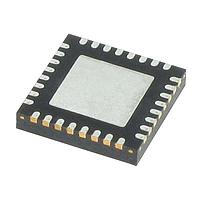
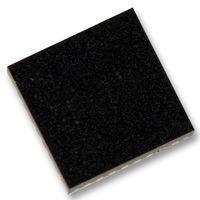
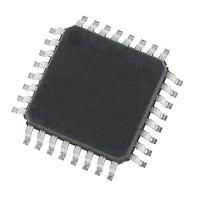
Capacitive Touch Sensors
Touch-based user interfaces have become a practical requirement in many modern devices, from industrial HMIs and appliances to compact control panels and embedded electronics. When a design needs a clean front surface, reliable human input, and reduced mechanical wear, capacitive touch sensors are often the preferred approach because they can detect touch through an insulating surface without relying on moving parts.
In this category, buyers can explore touch sensing solutions used to build responsive buttons, sliders, wheels, and touch screens for industrial and embedded applications. The selection is relevant for engineers working on operator panels, control interfaces, smart devices, and systems where durability, sealed surfaces, and modern user interaction matter.
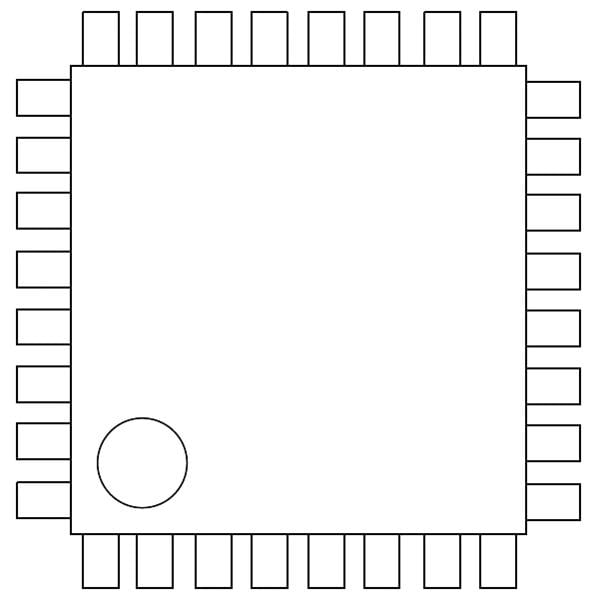
Where capacitive touch technology fits best
Unlike mechanical switches, capacitive sensing detects changes in an electric field caused by a finger or conductive object. This makes it well suited to equipment that benefits from a flat, easy-to-clean surface, especially where dust, moisture, or repeated operation can shorten the life of traditional buttons.
Typical use cases include industrial control panels, consumer devices, medical interface surfaces, home appliances, and compact embedded products. In many designs, a touch screen controller or dedicated touch sensing IC acts as the interface layer between the user and the main processing system, helping convert touch events into stable digital input for the application.
Common design goals when selecting capacitive touch sensors
Selection usually depends less on a single headline specification and more on the overall interface concept. Engineers often compare channel count, intended sensing method, environmental operating range, integration complexity, and whether the device is intended for discrete keys or larger touch surfaces.
For example, projects with simple button interfaces may prioritize compact integration and stable sensing performance, while more advanced touch displays require dedicated controllers designed for multi-point or larger-area interaction. Environmental conditions also matter, especially in industrial settings where temperature range, panel material, and electrical noise can affect touch performance.
Examples from leading manufacturers
This category includes solutions from widely used semiconductor suppliers such as Infineon, Microchip Technology, and Texas Instruments. These manufacturers are frequently considered in embedded and industrial design because they support a broad range of touch interface requirements, from basic capacitive keys to dedicated touch screen control.
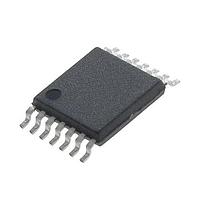
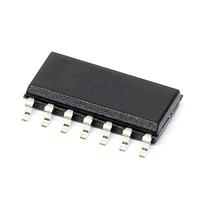
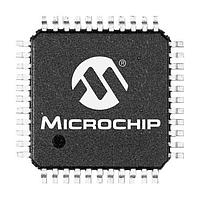
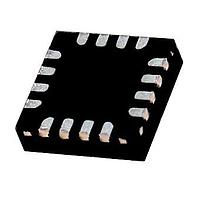
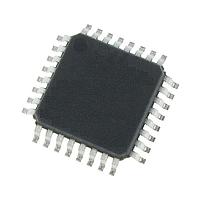
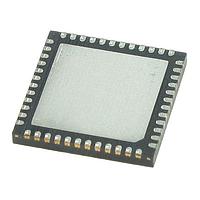
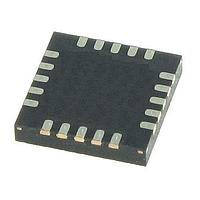
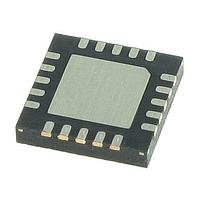
Representative parts in this selection include Infineon CY8CTMA460AS-23, Infineon CP7709DT, Infineon CY8C201A0-LDX2I, Microchip Technology ATMXT144UD-AMTSPIVAO, and Texas Instruments TSC2006IRTJT. These examples illustrate the range of controller options available for designers building touch-enabled products, without forcing every application into the same architecture.
Discrete touch input vs. touch screen control
Not every capacitive interface has the same purpose. Some devices are intended for discrete touch inputs such as buttons, sliders, or wheels, while others are built specifically for touch screen implementation. Understanding this distinction helps narrow the shortlist early and reduces unnecessary redesign later in the project.
Parts such as the Infineon CY8CMBR3108-LQXIKG can fit applications centered on touch buttons and control surfaces, while products such as Infineon CY8CTMA768AA-13, Infineon CY8CTMA120-56LTXAT, or Microchip Technology ATMXT1067TD-ATI2CVAO are more aligned with broader touch interface control requirements. For resistive or controller-focused touch implementations, models like Texas Instruments TSC2013QPWRQ1 and TSC2006IRTJT may also be relevant depending on the target design concept and system architecture.
Key considerations for industrial and embedded applications
In industrial environments, touch performance must remain stable even when the enclosure material, grounding scheme, and surrounding electronics introduce noise or signal variation. Designers should consider sensor layout, overlay thickness, moisture exposure, EMC behavior, and the expected interaction method when evaluating components in this category.
Temperature range can also be important. For instance, the Texas Instruments TSC2006IRTJT is listed for industrial use with an operating range from -40C to 85C, which gives useful context for applications exposed to wider environmental variation. In practice, reliable touch performance depends not only on the controller itself but also on the complete front-panel and PCB design.
Related sensor technologies in broader system design
Capacitive touch sensing is often only one part of a larger human-machine or environmental sensing system. Depending on the product, engineers may combine touch input with visual feedback, motion sensing, or environmental monitoring to create a more responsive and context-aware device.
For projects that extend beyond touch interaction, it can be useful to review related categories such as ambient light sensors for display or backlight adaptation, color sensors for detection and sorting tasks, or inclinometers where orientation feedback is part of the control system. These adjacent sensing technologies often appear together in smart industrial and embedded products.
How to narrow down the right part
A practical selection process starts with the interface type: touch key panel, slider, wheel, or screen. From there, it helps to define the number of sensing points, overlay material, PCB space, environmental conditions, and the communication or integration requirements of the host system.
It is also worth deciding early whether the project needs a general touch sensing device or a more application-specific controller. Reviewing representative products such as Infineon CY8CTMG120-56LTXI, Infineon CY8CTMG120-56LTXA, or Infineon CY8CTMA460AS-23 can help teams compare different directions for implementation. A well-matched controller can simplify tuning, improve user experience, and reduce iteration during validation.
Choosing with long-term integration in mind
For B2B buyers, the best fit is usually the part that aligns with the full product lifecycle rather than only the first prototype. That means considering sensing performance, firmware and hardware integration effort, environmental suitability, and whether the selected device supports the desired end-user experience across production volumes.
This category is designed to help engineers and sourcing teams evaluate capacitive touch interface components with a clearer view of application fit. By comparing controller types, intended use cases, and relevant manufacturers, it becomes easier to shortlist parts that support robust, modern touch input in industrial and embedded systems.
Get exclusive volume discounts, bulk pricing updates, and new product alerts delivered directly to your inbox.
By subscribing, you agree to our Terms of Service and Privacy Policy.
Direct access to our certified experts