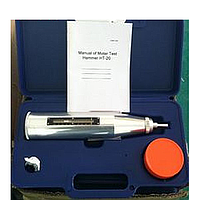
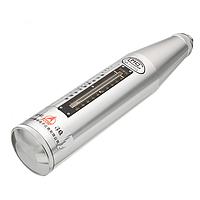
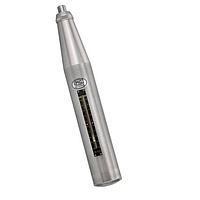
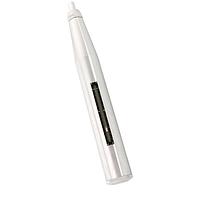
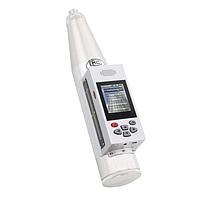
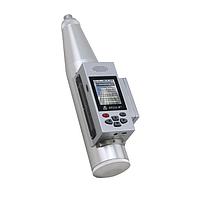
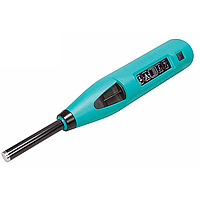
Concrete Test Hammer
When fast, non-destructive assessment of concrete strength is needed on site, rebound hammers remain one of the most practical tools in civil engineering and building inspection. They are widely used for preliminary checks on slabs, columns, beams, bridges, and precast elements where technicians need a quick indication of surface hardness before moving to deeper analysis or core testing.
Concrete test hammers are especially valued because they are portable, straightforward to use, and suitable for routine field work. For contractors, laboratories, and inspection teams, this category brings together mechanical and digital rebound solutions for different testing preferences, reporting needs, and project conditions.
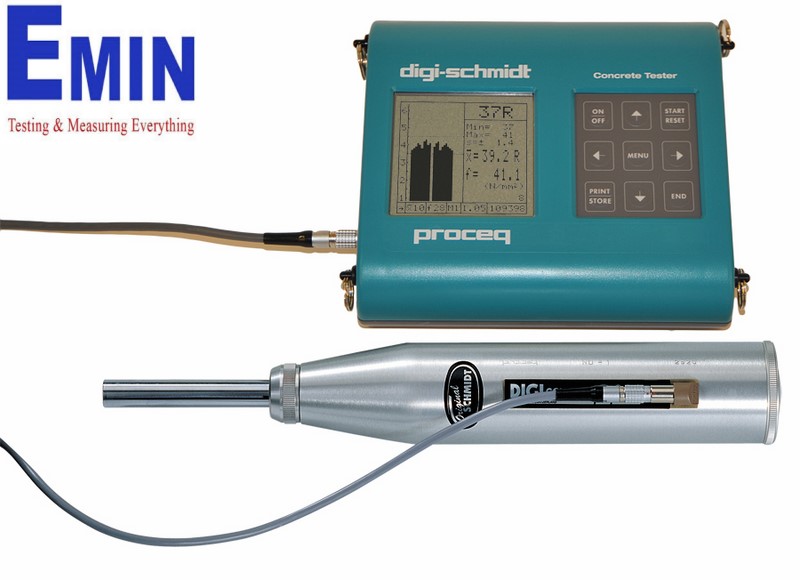
Where concrete rebound hammers fit in inspection work
A rebound hammer is commonly used to estimate the surface hardness of hardened concrete through the rebound hammer method. The measured rebound value does not replace a full structural evaluation on its own, but it helps inspectors compare zones, identify potential weak areas, and support condition assessment in a fast and repeatable way.
In practice, this type of instrument is often part of a broader concrete testing workflow. When projects require complementary checks on reinforcement location or internal concrete quality, users may also review related solutions such as cover meters and rebar detectors or ultrasonic pulse velocity instruments.
Mechanical and digital models for different field requirements
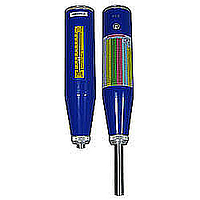
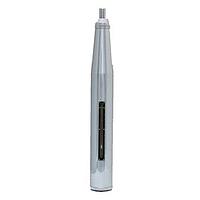
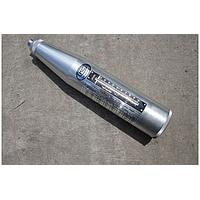
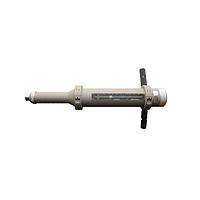
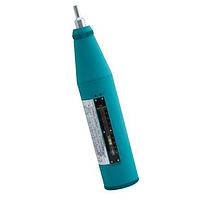
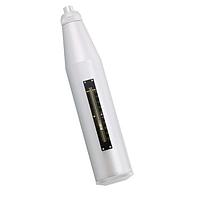
This category includes both traditional analog hammers and digital models. Mechanical units are often selected for straightforward site checks, training use, and applications where operators prefer a simple instrument with no data interface. Examples include the PCE-HT-75 Concrete Rebound Test Hammer, the PCE HT-225A Durometer, Matest C380 Concrete Test Hammer, and Samyon HT-75 or Samyon HT-20 models.
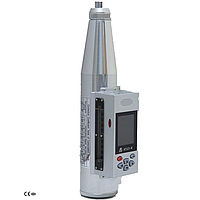
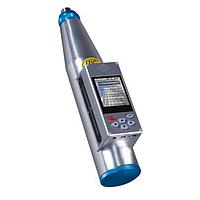
Digital versions are better suited to teams that need stored readings, improved traceability, or easier reporting. Products such as the PCE HT 224E Digital Concrete tester, PCE HT 225E Surface Testing - Concrete Hammer, PROCEQ OS8000 Concrete Hardness tester, and RTUL UX4690-N Digital Rebound Hammer illustrate the shift toward onboard display, memory, and data handling for modern inspection workflows.
Typical applications in construction and maintenance
Concrete test hammers are used across new construction, quality control, maintenance inspection, and rehabilitation projects. Common tasks include checking uniformity between pours, comparing suspect and sound zones, reviewing accessible structural members, and documenting surface condition in routine surveys.
They are also useful where rapid screening is more important than destructive confirmation at the first stage. On bridges, parking decks, industrial floors, retaining structures, and precast components, a rebound hammer can help teams decide whether more advanced follow-up methods are needed, including permeability testing for durability assessment or other NDT techniques for deeper material evaluation.
How to choose the right concrete test hammer
The best selection depends on the material condition, reporting requirements, and working environment. One key consideration is impact energy. Standard rebound hammers are commonly used for general concrete testing, while lower or higher energy variants may be more suitable for specific surface conditions, thinner sections, or specialized applications.
Data handling is another practical factor. If your team only needs spot checks and manual record keeping, a mechanical unit may be enough. If you need downloadable results, better repeatability in documentation, or easier multi-point surveys, digital instruments from brands such as PCE or PROCEQ can be a better fit.
Users should also consider portability, display type, operating temperature, and calibration workflow. Accessories matter as well. The PROCEQ 31009040 Test Anvil, for example, is relevant for checking rebound hammer performance as part of a proper verification routine.
Representative products in this category
For conventional field use, the PCE-HT-75 and PCE HT-225A are familiar options for rebound-based concrete surface testing. The Matest C380 Concrete Test Hammer is another example often considered by users looking for a dedicated concrete inspection instrument from an established materials testing brand.
Where digital capability is preferred, the PCE HT 224E and PCE HT 225E add electronic display and data-oriented operation, while the PROCEQ OS8000 represents a more advanced digital approach in the rebound hammer segment. The RTUL UX4690-N Digital Rebound Hammer and Kamekura Seiki D-7000 Concrete Test Hammer also show the broader range available for teams balancing field usability and digital readout requirements.
Why calibration and test method discipline matter
Reliable rebound results depend not only on the instrument, but also on the testing procedure. Surface preparation, orientation, spacing between impact points, moisture condition, carbonation effects, and the type of structural element can all influence readings. That is why rebound hammers are most useful when applied consistently and interpreted within the relevant testing standard or site procedure.
Calibration and verification are equally important. Steel anvils are commonly used to confirm instrument response and help maintain confidence in the measurement chain. For quality-focused users, this is not just a maintenance detail; it is part of making rebound data meaningful over time and across projects.
Supported brands and buying considerations
This category includes equipment from recognized manufacturers used in concrete and construction testing, including Matest, PCE, PROCEQ, Kamekura Seiki, RTUL, and Samyon. Brand choice often comes down to preferred interface, service familiarity, project specification, and whether the buyer needs a simple mechanical tool or a more connected digital platform.
For buyers comparing options, it is helpful to start with the intended testing method, required data output, and expected frequency of use rather than focusing only on price or model count. If your workflow also involves reinforcement assessment or corrosion-related inspection, related categories such as rebar corrosion detection may be relevant alongside rebound hammer testing.
Choosing with confidence
A well-matched rebound hammer can simplify everyday concrete inspection, improve consistency in field screening, and support faster decision-making on site. Whether you need a basic mechanical instrument for routine checks or a digital device for traceable test records, this category covers a practical range of solutions for non-destructive concrete surface evaluation.
Review the available models based on impact energy, reading format, memory functions, and verification needs. With the right tool and a disciplined test procedure, concrete test hammers remain a valuable part of the wider concrete quality and condition assessment toolkit.
Get exclusive volume discounts, bulk pricing updates, and new product alerts delivered directly to your inbox.
By subscribing, you agree to our Terms of Service and Privacy Policy.
Direct access to our certified experts