
AC Motor Fails to Start
Case1: Failure to Start
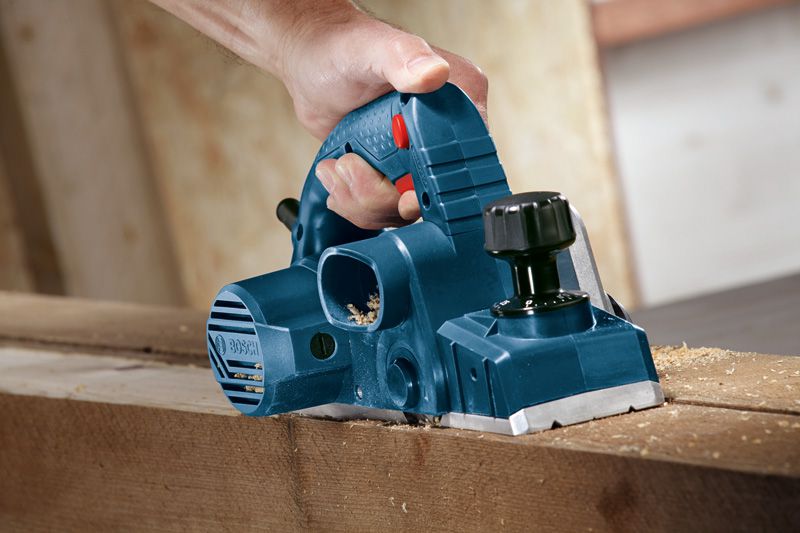
+ When the handheld wood planer does not start, the common cause may be due to incorrect assembly, causing the remote control motor to not work. The circuit is incorrectly installed, causing the power source to be unstable or the wire is too small to carry enough power to start the motor.
+ Determine with a VOM meter: When the main coil is shorted, the circuit may be open and cause the motor to not work. If there is a grounding phenomenon, it may cause the fuse to blow, causing further damage. At this time, it is necessary to check whether the motor is peeling or not, if so, it needs to be repaired promptly!
Case 2: Electrical leak
It is not uncommon for a planer to leak electricity during use, especially when the machine is operating in a humid environment or is not properly stored. Many people may feel a slight numbness in their hands when holding the machine, which is the first sign that the motor is contaminated with moisture and needs to be handled immediately.
If you feel a slight shock, you can dry the machine thoroughly before using it again. However, in case of a strong shock or a clear feeling of insecurity, it is best to stop using it and bring the machine to EMIN for us to check.
Electric motor heats up quickly
The phenomenon of the planer running for a while and then heating up quickly, even with smoke coming out, usually comes from the phase coil inside the motor being touched. It is very easy for the motor to not be able to dissipate heat properly, causing abnormal heating after a short time of use.
When continuing to use in this condition, you will see the machine hum slightly, the rotation speed is significantly weaker and there is no longer enough force to pull the load. This is a sign that the motor is losing phase or is internally overloaded. To avoid further damage, the best way is to immediately turn off the power and let the machine rest completely.
Engine sometimes runs sometimes doesn't run
When a planer runs intermittently—working one moment and stopping the next—many people might assume it's a serious malfunction. But in most cases, the root cause lies in unstable electrical connections. The power cord might be loose, the plug not fully inserted, or the circuit breaker could be overloaded and has tripped without notice. There’s also a chance that internal wiring is oxidized or poorly soldered, leading to inconsistent power flow.

This kind of interruption not only delays your work but can also be dangerous. If the motor stops suddenly while spinning at high speed, it risks short-circuiting or burning out—especially if you keep restarting the machine in a short span of time. The safest approach is to stop using it immediately and check every connection point thoroughly before powering up again. This helps prevent damage and extends the machine’s lifespan.
When the engine is running, the thermal energy is too hot.
Another issue to watch out for is excessive motor heating during use. Sometimes, the outer casing can become hot to the touch just a few minutes into operation. This often happens when the machine is overloaded, loses phase unexpectedly, or has internal components that aren’t properly aligned—like a bearing being forced in incorrectly or a misaligned rotor shaft.
Also, when the motor’s ventilation ports are clogged with dust or the input voltage is unstable, trapped heat can quickly build up. It’s something you’ll want to be cautious about, as it could cause minor burns. For situations like this, always check the load conditions, ensure stable voltage, and make regular cleaning part of your routine.
Refer to the planer models currently available at EMIN:
BOSCH GHO6500 Hand Planer
MAKTEC MT191 Planer (580W)
Conclude
Although compact in size, a handheld wood planer operates based on the high-speed rotation of an electric motor, which makes the proper use of electrical power the very first thing to pay attention to. Even a minor oversight—such as an exposed power cord, a loose outlet, or using the wrong voltage—can lead to electric shocks or even fire and explosion hazards.
In a working environment filled with wood dust, prone to moisture, and unstable in power supply, checking the equipment before use is an essential habit. Simple actions like ensuring the power cord is not tangled, the plug is dry, and the circuit breaker is functioning properly can make a significant difference in ensuring safety throughout the operation.