
2026年11月10日 14時06分04秒
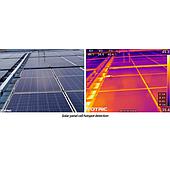
Thermal imaging helps inspection teams identify temperature anomalies associated with PV panel, connection, junction-box, inverter, and battery issues while the system is operating.
Thermal imaging helps inspection teams identify temperature anomalies associated with PV panel, connection, junction-box, inverter, and battery issues while the system is operating.
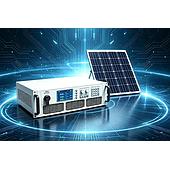
Bidirectional DC power supplies support realistic PV simulation, bidirectional energy flow, and automated scenarios for solar inverter, MPPT, and hybrid storage testing.
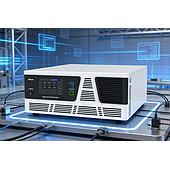
A four-quadrant AC source or load can supply power to a device under test and absorb returned power. Selection should match the test setup’s power range, grid simulation, dynamic response, regeneration, automation, and safety requirements.
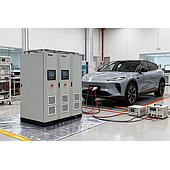
Bidirectional DC power supplies support two-way energy flow. Their main uses include EV and component testing, renewable energy storage, microgrids, and R&D validation of power equipment.
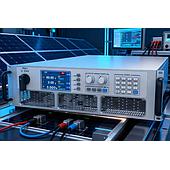
Bidirectional DC power supplies can source and absorb energy, helping PV and energy-storage teams simulate changing operating conditions in a controllable laboratory setup.
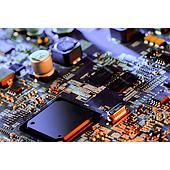
DC power supplies support solar-storage designs by managing DC conversion and enabling direct photovoltaic, storage, and load coupling where the architecture permits.
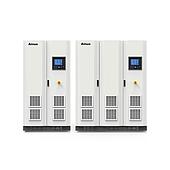
ANBGS is a regenerative grid simulator AC power supply designed for photovoltaic inverter testing. Supplied product data describes voltage, frequency, harmonic, imbalance, protection, energy-feedback, and automated testing capabilities.
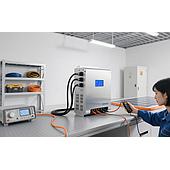
PV inverter testing generally requires a programmable DC source with solar simulation capability. Select voltage, current, and power ratings from inverter limits, then evaluate I-V curve control, transient response, measurement, logging, and regenerative sinking where required.
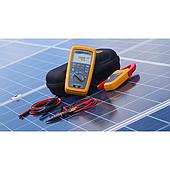
To maximize effectiveness, insulation testing and grounding should be integrated into a closed-loop maintenance procedure. This synchronized combination not only helps detect potential risks early but also creates a robust protective barrier for investors' assets, optimizing the ROI for the entire solar energy project
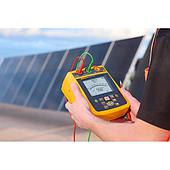
By assessing the impact of dust and shading alongside routinely archiving I-V curve data and thermal images, technical teams can easily identify early performance degradation trends in individual PV strings. As a result, businesses can schedule cleaning, trim obstructions, or focus on repairing precise fault locations rather than incurring costs from widespread inspections or premature panel replacements—thereby optimizing power output and extending the lifespan of the entire solar project.
数量割引、まとめ買い価格の更新、新製品情報をメールでお届けします。
登録することで、当社の利用規約およびプライバシーポリシーに同意したものとみなされます。
認定専門家へ直接アクセス