Impact of temperature on yogurt fermentation process
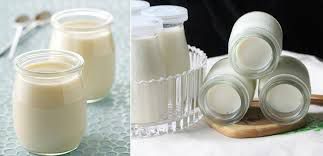
Controlling the temperature while incubating yogurt helps fermentation bacteria work effectively, thereby creating extremely high-quality fermented yogurt products, specifically as follows:
Activity of fermentation bacteria
The main bacteria in yogurt fermentation are Lactobacillus bulgaricus and Streptococcus thermophilus. These bacteria grow optimally at temperatures between 40°C and 45°C.
Below 40°C bacteria grow slowly, prolonging incubation time and can affect the flavor and consistency of yogurt.
Above 45°C, the bacteria can weaken or die, causing the fermentation process to be incomplete and the final yogurt not reaching the desired quality.
Nhiệt độ ủ sữa chua ảnh hưởng đến thời gian ủ
Khi ủ sữa chua ở nhiệt độ từ 40°C đến 45°C, thời gian ủ sẽ ngắn hơn, thường chỉ mất từ 4 đến 6 giờ. Nếu ủ ở nhiệt độ thấp hơn, bạn có thể mất đến 8 giờ hoặc hơn để đạt được độ lên men mong muốn.
Yogurt incubation temperature affects incubation time
The right incubation temperature helps bacteria effectively ferment lactose into lactic acid, creating a characteristic acidity. If the temperature is too high or too low, the bacteria will not work well, causing the yogurt to be less sour or have a strange taste.
The incubation temperature affects the consistency of yogurt
Proper incubation temperature helps yogurt have a smooth texture and moderate consistency. If the temperature is not enough, the yogurt may become liquid or not solidify properly. On the contrary, if the temperature is too high, the yogurt may separate or become dry, losing the appeal of the product.
So what temperature does yogurt need to be incubated and what is the incubation method?

Many people wonder about the appropriate temperature to incubate yogurt. Based on theory, the ideal temperature for effective fermentation is between 32°C and 48°C. However, each different incubation method will require a specific temperature level to achieve the best results.
Incubate yogurt in a rice cooker:
When using a rice cooker to incubate yogurt, you should prepare warm water of about 80°C to incubate. This helps maintain a stable temperature, and when the temperature drops to about 38-40°C, it is ideal for fermentation. If the temperature is too low, bacteria will grow slowly, but if it is too high, the yeast may be damaged.
Incubate yogurt in the microwave:
When incubating yogurt in the microwave, ensure the temperature is below 45°C so that the yeast does not die. Setting the temperature too high or too low will damage the yeast, causing the incubation process to fail. After incubation, you should not put the yogurt in the freezer because the probiotic yeast will die. It is best to store yogurt in the refrigerator to maintain the quality and benefits of the product.
Incubate yogurt in an ice box or styrofoam:
To incubate yogurt in an ice box or Styrofoam, maintaining a stable temperature of around 40°C to 45°C is very important. This helps the fermentation process take place effectively, creating yogurt with a smooth texture, mildly sour and delicious taste.
Note: Before placing the yogurt jars in the foam box, warm water to about 45°C. Avoid using water that is too hot because high temperatures can kill fermentation bacteria, affecting the quality of yogurt.
The process of incubating yogurt in a foam container usually lasts from 4 to 6 hours. After this time, check to see if the yogurt has reached the desired consistency and acidity. If necessary, you can incubate for a few more hours to achieve best results.
Use a temperature measuring device
To accurately check the yogurt incubation temperature, you should use food thermometers instead of relying on feel, because feeling is often not correct. Here are some suggestions for effective food temperature measuring devices:
TESTO 106 temperature meter
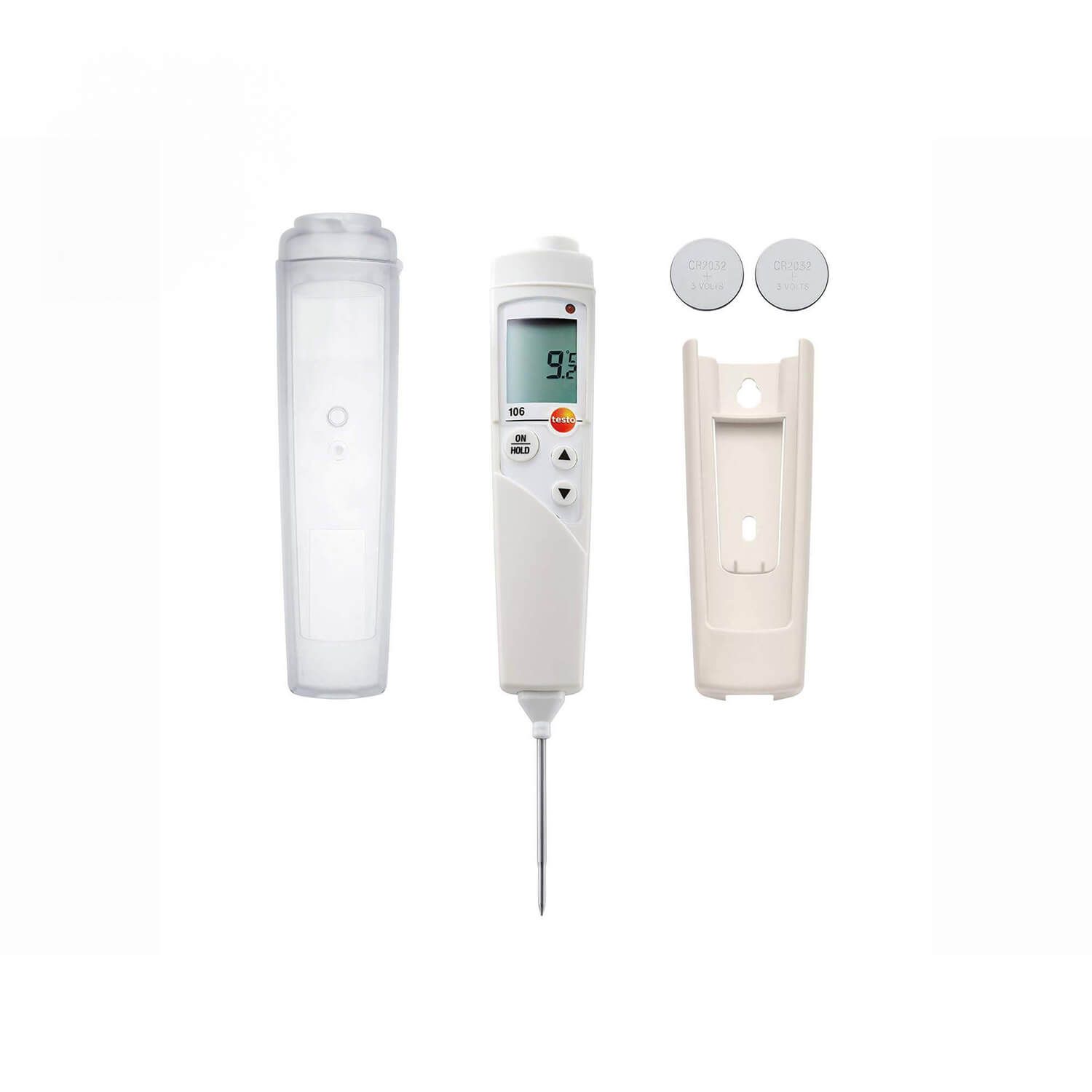
- Wide temperature measurement range from -50°C to +275°C, helping you measure many types of food in different conditions.
- Probe made of stainless steel, suitable for measuring food temperature and ensuring hygiene and safety.
- This device measures temperature very quickly and accurately (±1%), helping to save time and ensure high accuracy during the measurement process.
You may not know the steps to ferment yogurt
After knowing the ideal yogurt incubation temperature, you can make your own yogurt at home by following these basic steps:
Step 1: Prepare and sterilize tools (milk jars...) to avoid bacteria spoiling yogurt.
Step 2: Prepare milk (condensed milk, unsweetened/sweetened fresh milk, powdered milk, whole milk, skim milk...). Heat the milk mixture to 80 - 85°C, then cool to 30 - 43°C.
Step 3: Mix the yeast with the mixture gently, do not stir vigorously to avoid the yeast clumping and not dissolving.
Step 4: Pour yogurt into a container and incubate in a warm place, maintaining an incubation temperature of 32 - 48°C is best. Then, put them in the refrigerator to slow down the fermentation process, helping the yogurt not to become too sour and preserve it longer.
See more related articles:
[Question] Should I buy a used temperature gauge?
Which thermometer should I use to measure the temperature of boiling water? Using ?
Hopefully with the above information, you will know how to choose the appropriate yogurt incubation temperature and make this dish successfully. If you need to buy a food thermometer, please contact EMIN immediately to buy at a good price!