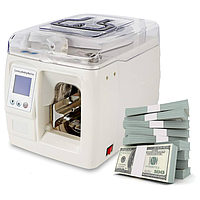
Currency Binding Machine
Handling large volumes of banknotes efficiently requires more than manual bundling. In banks, cash centers, retail back offices, and other cash-handling environments, a reliable currency binding machine helps standardize note bundles, improve workflow consistency, and reduce repetitive manual work during note packaging.
This category focuses on machines designed to bind stacks of notes with heat-sealing paper tape. These systems are typically selected for routine cash processing where operators need stable bundle formation, simple controls, and repeatable results across different bundle sizes.
Where currency binding machines are commonly used
Currency binding equipment is commonly used wherever banknotes must be grouped, sealed, and prepared for storage, transport, or internal counting processes. Typical applications include bank branches, cash centers, finance departments, and high-volume retail cash rooms.
Compared with fully manual note bundling, this type of machine supports a more controlled process. It can help maintain consistent bundle presentation, reduce operator fatigue, and improve efficiency when handling repeated note-binding tasks throughout the day.
How this type of machine works in practice
Most machines in this category use paper tape heat sealing to wrap and secure note bundles. The operator positions the stack, the machine applies the band at the selected location, and the binding cycle is completed using controlled heat within a specified temperature range.
In practical use, buyers often look for a balance between simple operation and stable continuous performance. Features such as LCD display, microcomputer control, adjustable feeding position, and compatibility with different paper tape conditions can make day-to-day operation easier, especially in environments with frequent bundle preparation.
Typical configurations available in this category
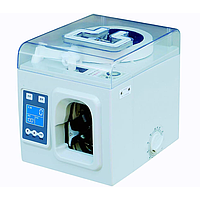
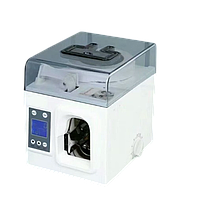
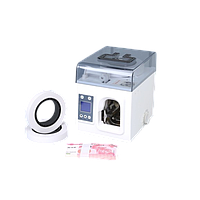
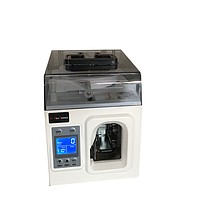
The models shown here illustrate several common tape-width options for different bundling preferences. For example, the FOLKTRONICS BM-200 Note Binding Machine (20mm) and the FOLKTRONICS BM-200D 20MM Note Binding Machine are suitable for operations looking for a compact 20 mm band format.
For users that require a wider paper band, the range also includes the FOLKTRONICS BM-250D Note Binding Machine (25mm), FOLKTRONICS BM-300D Note Binding Machine (30mm), and FOLKTRONICS BM-400D Note Binding Machine (40mm). These options help buyers match the binding format to internal handling standards, note bundle thickness, and workflow preferences.
What to consider when selecting a currency binding machine
The first point is band width and bundle format. Different operations may prefer 20 mm, 25 mm, 30 mm, or 40 mm tape depending on how bundles are stored, labeled, or transported. Choosing the right width helps align the machine with established cash-handling procedures.
The second point is operating environment. Machines in this category are intended for regular use and may be evaluated based on power requirements, noise level, temperature range, and overall footprint. Compact dimensions and moderate power consumption can be useful where the machine must fit into a busy teller area or cash processing station.
It is also important to review control and adjustment features. Adjustable feeding position, clear display feedback, and straightforward operating logic can reduce setup errors and improve consistency across shifts, especially when multiple operators share the same equipment.
FOLKTRONICS solutions for note binding
This category prominently features products from FOLKTRONICS, with multiple models covering common paper tape widths used in banknote bundling. The lineup is built around practical operation, including LCD-based status display, heat-sealing tape application, and designs intended for repeated use in cash-handling settings.
Examples such as the BM-250D, BM-300D, and BM-400D show a progression in band width while keeping a familiar operating concept. That can be helpful for organizations standardizing equipment across branches or processing desks, because operators can work with similar machine behavior while selecting the format that best matches each application.
Related equipment for broader cash and paper banding workflows
In some operations, note binding is part of a larger packaging or handling process. If your application involves wrapping or securing other bundled items beyond currency, it may also be useful to review the banding machine category for adjacent equipment types.
For procurement teams comparing note-processing options across office and cash-handling environments, related categories can help clarify whether the requirement is specifically for currency bundles or for more general-purpose paper banding. This makes it easier to choose equipment based on actual workflow rather than product naming alone.
Why specification details matter in daily operation
Even when machines appear similar, practical details can affect long-term usability. Items such as noise level, net weight, temperature operating range, and control method can influence where the unit is installed and how comfortably it can be used during long work sessions.
For example, models in this category are built around standard AC power input and relatively compact benchtop dimensions. Some versions also indicate extended continuous working capability and robust internal drive components, which may be relevant for buyers supporting longer operating cycles in cash centers or high-throughput note handling areas.
Choosing the right machine for your workflow
If your process mainly handles standard note bundles and requires a narrower band, a 20 mm model may be appropriate. If your team prefers a wider wrap for identification, handling stability, or internal presentation standards, moving to 25 mm, 30 mm, or 40 mm models can be a better fit.
Ultimately, the right choice depends on bundle format, operator workflow, installation space, and the volume of daily note handling. This Currency Binding Machine category is intended to help buyers compare practical options from FOLKTRONICS and identify a machine that matches real cash-processing requirements without unnecessary complexity.
For organizations that need dependable note bundling equipment, reviewing the available models by tape width, operating style, and daily workload is the most effective way to narrow down the selection. A well-matched machine can support cleaner bundle consistency, smoother processing, and more predictable operation over time.
数量割引、まとめ買い価格の更新、新製品情報をメールでお届けします。
登録することで、当社の利用規約およびプライバシーポリシーに同意したものとみなされます。
認定専門家へ直接アクセス