How to Identify Water Contaminated with Alum
Alum-contaminated water is a common problem in many areas of Vietnam, especially in regions using well water or groundwater. This condition is not only reduces the quality of living water but also affects to health and damages household instrument. Early identification of alum-contaminated water and testing with a pH meter will help you take timely action, ensuring a safe water source for daily life and production.
What is alum-contaminated water?
Alum-contaminated water is water containing high levels of metal compounds such as iron (Fe), aluminum (Al), manganese (Mn), or sulfate compounds. When these substances dissolve in water, they alter the pH, color, and taste of the water. Typically, alum-contaminated water has a low pH (acidic), often below neutral. This can cause metal corrosion, stain equipment, and is harmful to health if used long-term.
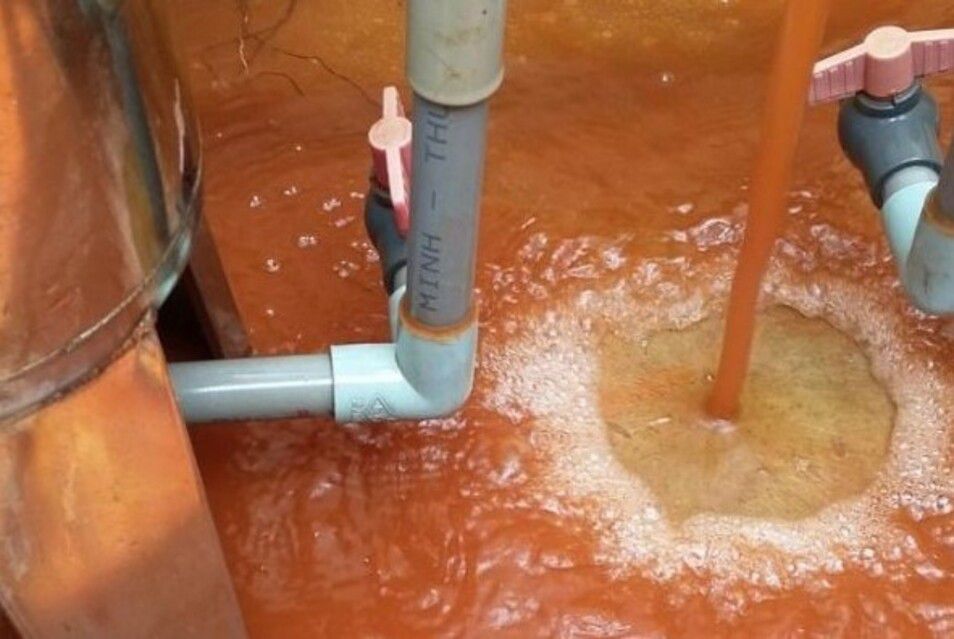
Signs of Iron-Contaminated Water
1. Yellow or Reddish-Brown Color
When first pumped, well water may be clear, but after a few minutes it will turn to yellow, reddish-brown, or cloudy. This is because the iron in the water oxidizes upon contact with air.
2. Characteristic Fishy Odor
Iron-contaminated water often has a fishy smell similar to metal or iron.
3. Yellow deposits or buildup on equipment. This is a sign of high iron or manganese content in the water.
Yellow stains appear on sinks and toilets.
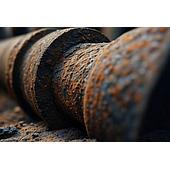
Scaling in water pipes.
Clothes turn yellow after washing.
4. Sour or Metallic Taste
Some sources of iron-contaminated water have a slightly sour or metallic taste, due to low pH and high mineral content.
5. Testing with a pH Meter
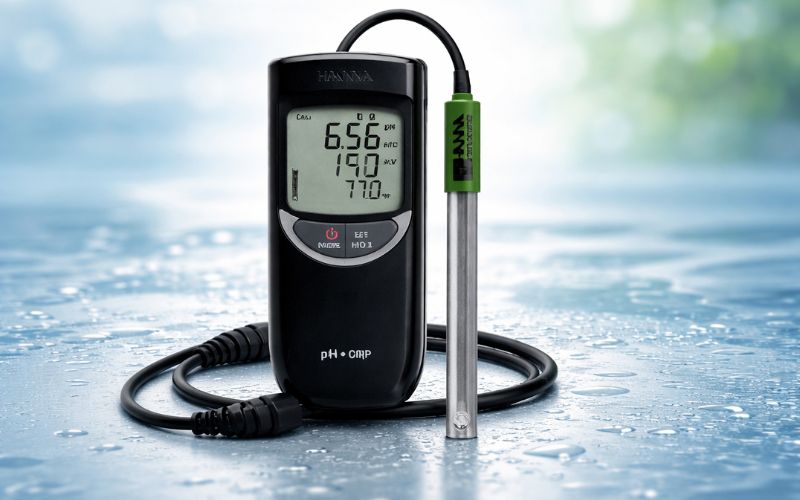
Depending on the usage environment and measurement requirements, a pH pen, handheld pH meter, or benchtop pH meter can be used to determine if the water is contaminated with iron or other substances. These pH measuring devices are commonly used in testing well water, drinking water, and aquaculture water, providing quick and accurate results.
If the pH meter reading < 6 → the water is likely contaminated with iron or high levels of acid.
pH is an indicator of the acidity or alkalinity of water. Standard drinking water usually has a pH between 6.5 and 8.5.
pH = 7 → Neutral
pH < 7 → Acidic water
pH > 7 → Alkaline water
You can refer to some best-selling pH meters distributed by EMIN such as: Hanna pH meter, Ezdo pH meter
Related news:
How to treat iron-contaminated water you need to know
What is iron-contaminated water? What is the pH of iron-contaminated water?