What is laser welding?
Laser welding is a technique that uses high energy from laser pulses to create localized heat on a very small area of the material. The heat from the laser melts the material at the projection point, then this energy is diffused deep inside. When the material melts and solidifies, a weld is formed, completing the connection between the surfaces to be welded..
What is a laser welding machine?
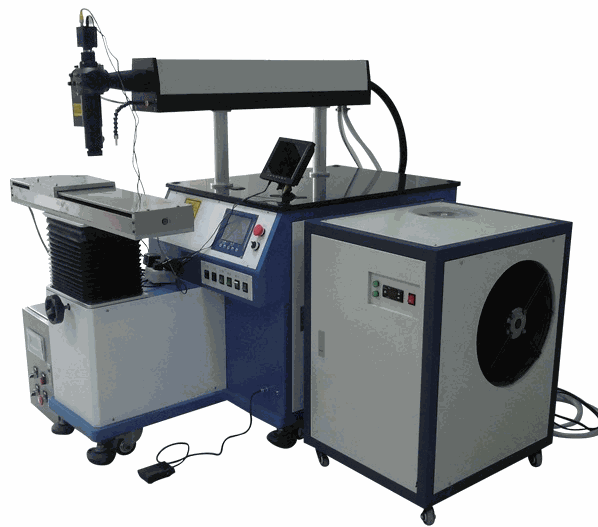
Laser welding machines apply fiber laser energy sources to weld metal materials such as iron, steel, stainless steel, aluminum, etc. Compared to traditional welding methods, laser welding technology brings increased efficiency. outstanding. Fast welding speed, accurate welds, bright and clean surface are the outstanding advantages of this method compared to conventional MIG/TIG welding.
Common applications of laser welding machines
Laser welding is widely used in many different industries, from manufacturing, healthcare to jewelry making. Below are some typical fields that take advantage of the effectiveness of this technology:
Jewelry industry
In the jewelry industry, laser welding is the optimal choice for connecting complex and delicate details from two different materials. This technology maintains the perfect beauty of the products.
Automotive industry
According to TWI Global, about 15% of manufacturing processes in the automotive industry involve laser applications. CO2 laser welding is often used in the production of gears, transmission parts, and electric train components. This technology is also very effective with circular and annular welds.
In addition, Nd:YAG is widely used in welding body parts and automobile structures thanks to its high speed, accuracy, and ability to optimize costs in the long run.
Medical industry
Laser welding also plays an important role in the medical industry, especially in welding different types of metals with diverse chemical and physical properties. This technology is often used to produce devices such as pacemakers, medicine pumps, AEDs,...
Hard materials such as stainless steel or Titanium alloy, which require high standards of durability and waterproofing, are laser welded to ensure safety and effectiveness in medicine..
Operating principle and laser welding methods
Operating principle of laser welding machine
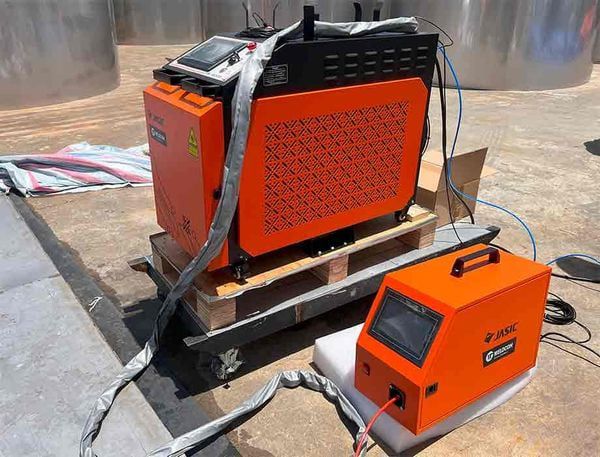
Laser welding machines operate on the principle of using energy from a high-density laser beam. The laser focuses energy into a small area, melts and then crystallizes the edge of the material to form a weld. The result is welds that are highly precise, durable, and cause little deformation to the material.
Laser welding technology
Laser welding technology is based on the mechanism of heat generation from the laser source, suitable for many types of materials and different physical and chemical properties. When the laser is focused into a point, it creates perfect seams on thin metal sheets without distorting the surrounding surface..
The depth of the weld depends on the welding technique used and the characteristics of the material being welded. This process takes place precisely at the seam between the two materials, ensuring high quality even when applied to materials that are difficult to process.
Popular laser welding method
1. Thermal conduction welding
- Direct heating: This method transfers heat directly from the laser source to the material, melting the surface and creating a weld.
- Energy transfer: Using an intermediate material, such as absorbent ink, to conduct heat from the laser beam to the area to be welded, creating a joint.
2. Conduction/penetration mechanism
This method creates a shallow but wide weld, suitable for applications requiring a large bond surface.
3. Keyhole Welding
- This method focuses the laser beam to create a small hole in the material. This hole is then filled with molten metal vapor, creating a weld with a large depth-to-width ratio. The result is strong and precise joints, suitable for applications requiring high durability.
These diverse laser welding methods make the technology the leading choice in many industrial sectors, from automotive manufacturing, to medical devices, to jewelry and more..
Some notes when using laser welding machines
1. Check the cooling system
Using a laser welding machine with high power for a long time can lead to loss of cooling water, causing the machine to overheat. To avoid this situation, always make sure the coolant level is in the safe zone (green zone). Priority should be given to using double distilled water to increase cooling efficiency and protect machinery.
2. Adjust air discharge parameters
Before starting to use the machine, increase the air release time both before and after welding. This helps protect the lens on the welding gun.
3. Clean lenses periodically
After each work shift, it is necessary to check the protective prism on the welding gun to ensure there is no dirt or impurities on the lens. If the lens is dirty, never use bare hands or an unclean towel to clean it to avoid damaging the lens surface.
4. Use the correct soldering iron
Choosing the right welding nozzle for the type of weld joint is very important. The correct welding tip helps optimize working efficiency and ensure weld quality.
5. Check the welding wire feeder
To achieve a highly precise and aesthetically pleasing weld, check the welding wire feeder, which includes the wire feed roller and compensating nozzle. Make sure these devices are suitable for the welding wire diameter you are using.
Correctly following the above notes will help increase the life of the laser welding machine, ensuring work performance and product quality.