The issue is that not everyone fully understands which type is best suited for their specific needs. Some people use it for professional repair work, while others only need it for checking electrical systems at home. The difference between the two types lies not in their appearance, but in how you use them and the level of precision you require. If you're still unsure about which one to choose, this article will help you make the right decision.

First is the Analog Multimeter
The analog multimeter has remained a trusted choice for customers, even though it was introduced long ago, especially for those who are accustomed to traditional displays. It operates based on the Galvanometer mechanism, a simple yet effective mechanical component that doesn’t require an external power source. The needle moves along the scale to display the measurement results. For basic needs such as measuring voltage, resistance, or current quickly, this type of multimeter still proves to be quite convenient.
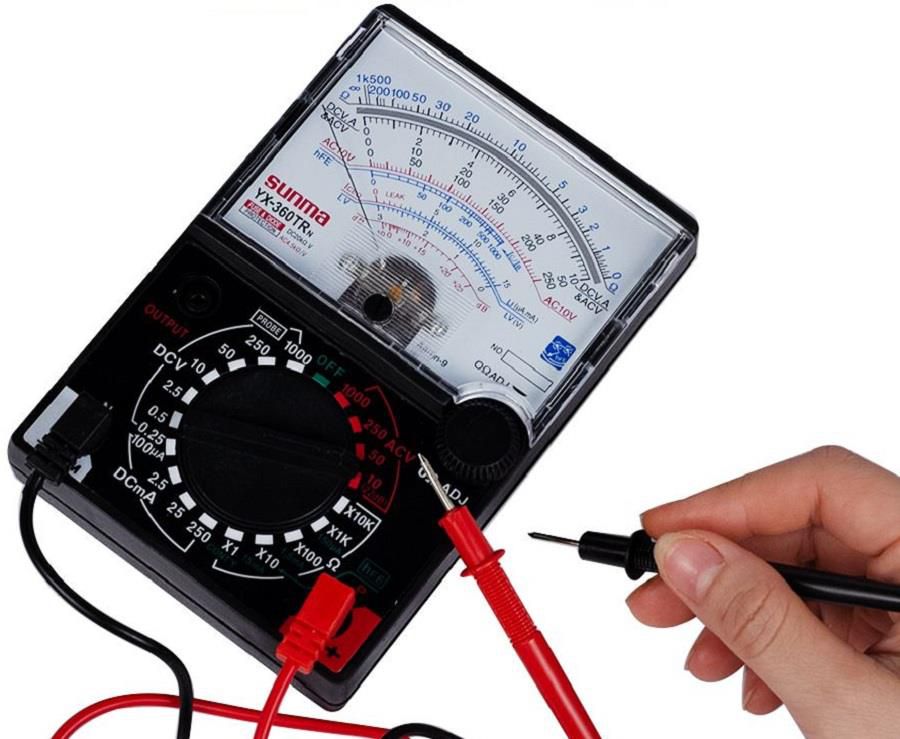
The strength of this product lies in its familiarity and durability. The price is also relatively affordable, making it suitable for a wide range of users, from electricians handling simple repairs to beginners exploring measuring devices. As long as you use it properly, the analog multimeter can be a reliable, low-maintenance tool throughout its lifespan.
However, the needle display is also its biggest limitation. Reading the values requires careful attention and experience, as an incorrect viewing angle can easily lead to measurement errors. Moreover, this type of multimeter typically lacks the advanced functions of modern digital models. If you need more specialized measurements or work in environments with higher demands, this may not be the ideal option.
Digital multimeter
Convenience and speed have now become the top choice for many technicians and modern users. With a clear LCD screen, measurement results are displayed instantly without the need to adjust the viewing angle or estimate scale markings like traditional models. The compact design, easy operation, and additional features such as measuring capacitance, frequency, and wireless connectivity make this a smart, flexible, and multifunctional measuring tool.
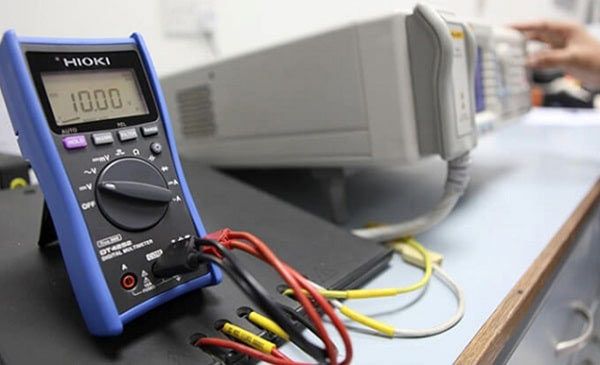
The most valuable feature of this multimeter lies in its ability to provide clear, easily readable results, minimizing the risk of errors during use. Additionally, users can store data or quickly generate reports—perfect for environments that require systematic tracking or continuous monitoring.
However, with modernity comes a slightly higher price compared to traditional analog models. If you're only using it for basic tasks, this could be a consideration. But if you're looking for a device that's powerful in functionality and adaptable to modern work environments, this is definitely a worthwhile investment.
So which one should you choose?
Analog multimeters, with a classic, user-friendly and easy-to-use design, are especially suitable for those who only need a device for basic measurements. The safety and durability of the product are always strong points, but obviously, if you need a multi-purpose tool, this watch will not meet your needs.
On the other hand, digital multimeters bring outstanding convenience, with a clear screen that makes it easy to monitor measurement results. Features such as generating reports, measuring different parameters make this product line an ideal choice for people working in many fields, requiring accuracy and diversity in measurement.
Conclude:
Deciding between a digital and analog multimeter depends largely on your intended use and budget. If you only need to take simple measurements, an analog multimeter is a reasonable choice. But if your job requires more features and high accuracy, a digital multimeter is a worthwhile investment in today's world and work.