Electric Torque screwdriver should deliver controlled low-range torque, help protect sensitive assemblies from electrostatic discharge, and support the required production pace. The right choice depends on the fragility of the screws and substrates, the required throughput, and whether fastening is performed manually or through automation.
For electronics assembly, a screwdriver that stops at the intended torque can help avoid damage associated with over-tightening small fasteners. Features such as variable speed control, brushless motors, and traceable fastening records may also matter, depending on the operation.
Summary: Low-range torque control helps protect small screws and delicate substrates. ESD-safe construction is important around sensitive electronic components. Brushless motors can reduce maintenance needs. Automation can add speed, controlled torque and RPM, and fastening records.
Why do electronics assemblies need specialized torque screwdrivers?
Electronics assemblies often use small screws and delicate substrates, so fastening requires precision and care. A tool that applies excessive torque can damage fragile circuit-board-related assemblies or the fasteners themselves.
Electronics are also sensitive to static electricity. Static discharged through a torque tool can cause irreversible component damage, making ESD protection a key consideration for tools used in these environments.
What does an electronic torque screwdriver do differently?
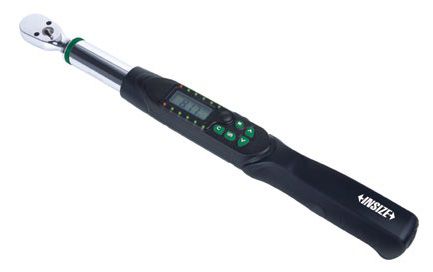
An electronic torque screwdriver can detect the force applied to a screw and stop when the intended torque is reached. This controlled shutoff distinguishes it from a standard screwdriver and helps limit the risk of applying too much torque to delicate assemblies.
For electronics work, the needed torque is typically in lower ranges measured in inch-ounces or inch-pounds. The tool should therefore provide precise control within the range required by the fastening application.
Which features support faster electronics production without sacrificing control?
Fastening tools for higher-volume electronics production need to complete run-downs quickly while retaining torque control. Powerful motors and short run-down times support production pace, while variable speed control can slow the tool before the screw is fully seated.
Slowing near final seating can be useful where substrates are delicate. The purpose is not simply maximum speed, but a controlled fastening cycle that matches the sensitivity of the assembly.
Why is an ESD-safe screwdriver important in electronics manufacturing?
An ESD-safe screwdriver is intended to reduce the risk that static electricity reaches sensitive electronic components. Because an electronic motor and tool conductivity can create a path for static electricity, ESD-safe construction is a central requirement for electronics manufacturing tools.
ESD considerations should be evaluated alongside torque range and fastening speed. A tool may provide controlled torque, but it still needs suitable protection for the electronic environment in which it will be used.
How do brushless motors affect screwdriver maintenance?
Electronic torque screwdrivers with brushless motors require significantly less maintenance than alternatives described in the source material. Lower maintenance needs can increase uptime and allow longer production periods before repair or replacement is needed.
This makes motor design relevant when a production operation needs both sustained availability and controlled fastening. Maintenance requirements should be considered as part of the overall tool-selection decision, not separately from output needs.
When should an automation torque screwdriver be considered?
An automation torque screwdriver is particularly relevant for large-scale electronics manufacturing where higher speed and standardized fastening are needed. These systems can retain flexibility, control, useful torque ranges, and the maintenance benefits associated with brushless motors.
| Consideration | Electronic torque screwdriver | Automation torque screwdriver |
|---|---|---|
| Torque control | Detects applied force and stops at the intended torque | Can automatically control torque and RPM |
| Operation | Used for controlled electronic fastening | May be robotic or human-operated |
| Production fit | Suitable where precise low-range fastening is required | Relevant to larger-scale, faster production needs |
| Records | Not specified | Software can act as a screw counter and tool controller |
Fully robotic assembly can produce faster and more standardized results than human operation, but it also requires a higher initial investment and additional maintenance. Some automation screwdrivers are designed to be ESD safe, so this requirement should be verified for the specific tool under consideration.
What information can automation screwdriver software provide?
Customizable automation software can function as a screw counter and tool controller. It can maintain records of every screw fastened, which can support regulatory compliance, investigation of production issues, and future product development.
These records are most relevant when traceability is a practical requirement of the assembly process. They add a process-control capability beyond the torque application itself.
How should a factory choose between electronic and automated fastening?
The selection should start with the application’s torque range, ESD requirements, production volume, and need for change flexibility. Torque screwdriver provide controlled fastening for sensitive electronics assemblies, while automation may be appropriate when speed, standardized operation, and fastening records are higher priorities.
Other decision factors identified in the source include time-to-market needs, cost-reduction opportunities, and the ability to make timely production changes. The appropriate solution is therefore tied to the specific assembly operation rather than a single universal tool type.