Fabric color fastness tester often called light fastness, describes how well a textile color resists change when it is exposed to light during use. When light affects a dye, fabrics may fade or show a noticeable shift in shade. Depending on the material and color, the result may appear lighter, darker, or uneven.
For textile manufacturers and quality-control teams, improving color fastness to light begins with understanding that fading is not determined by one factor alone. Dye selection, color formulation, the dyeing process, fiber properties, and exposure conditions can all influence the final result. A structured approach to development and testing helps teams compare alternatives before production decisions are made.
What affects color fastness tester ?
Light can trigger reactions that alter dyes in a textile. The molecular structure of the dye is an important consideration because it influences how the dye responds to exposure. The state in which the dye is present on the material and the depth of dyeing can also affect the visible outcome.
Color matching is another key variable. A target shade may be made from multiple component dyes, and those components may not respond to light in the same way. If one component changes more rapidly than the others, the fabric can shift in hue rather than simply becoming lighter.
Other factors identified in textile dyeing include the auxiliaries used in the process, the characteristics of the fiber, and locality. These variables should be considered together when investigating fading or setting expectations for a specific textile application.
How light-fastness testing evaluates textiles
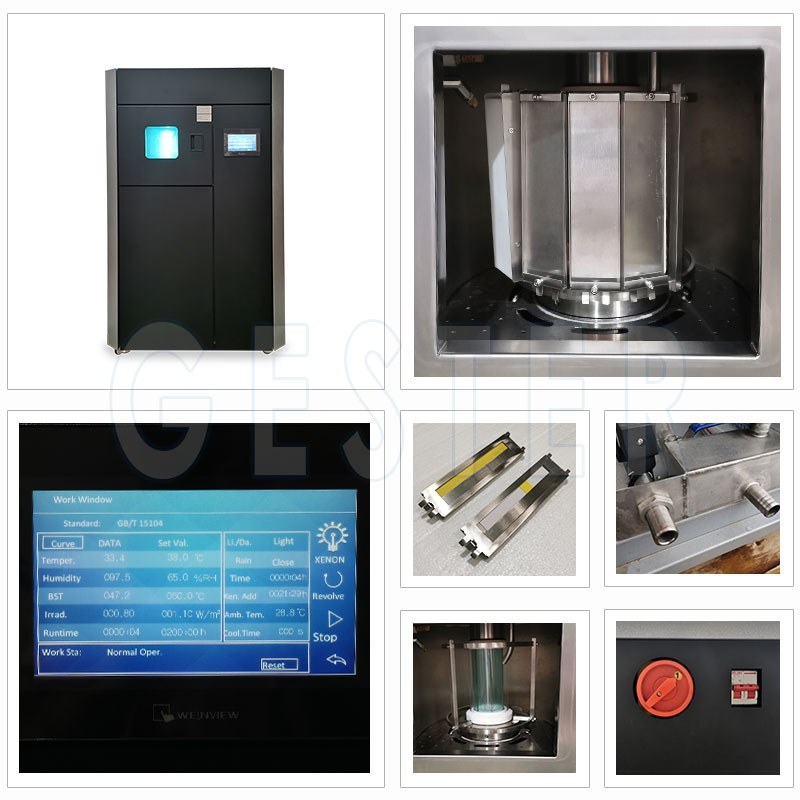
Light-fastness tester exposes a textile specimen and a set of blue wool standard samples to an artificial light source under specified conditions. After exposure, the color change of the textile is compared with the blue wool standards to assess its color fastness to light.
This comparative approach gives quality teams a common basis for evaluating color change. It can be used when screening materials, reviewing dye formulations, or checking whether finished textiles meet the applicable project requirement. The source information identifies GB/T 8427, ISO 105-B02, and AATCC 16.3 as commonly used light-fastness test standards.
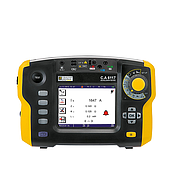
The Light Fastness Testing Machine GT-D02A-1 is identified as an instrument for this type of evaluation. Regardless of the equipment used, the test method and comparison criteria should align with the standard selected for the product or customer requirement.
Ways to improve color fastness to light
Select dyes with suitable light-fastness performance
A primary approach is to prioritize dyes with high light fastness for the intended application. According to the source material, this choice can help prevent or reduce photooxidation reactions. Dye selection should be considered early, particularly for products expected to receive regular light exposure.
Balance component dyes during color matching
When producing a shade from more than one dye, select component dyes with equivalent light-fastness performance where possible. This supports a more consistent light-fastness level across the formula and can reduce the risk that a shade changes unevenly as individual components respond differently to light.
Review the role of fixing agents
Fixing agents have a close relationship with dye light fastness. The source notes that non-surfactant ammonium salt type fixing agents and reactive fixing agents can effectively improve light fastness. Their suitability should be assessed in relation to the fiber, dye system, and intended color, including nylon, cotton, light colors, and fluorescent colors mentioned in the source.
Build testing into textile quality control
Improving color fastness tester to light is most effective when formulation choices and test results inform each other. Start by defining the relevant test standard, prepare representative samples, and compare exposure results consistently. If a color shift is observed, review the dye selection, component-dye balance, dyeing depth, fiber characteristics, and applicable auxiliaries rather than assuming a single cause.
This method helps turn light-fastness evaluation into a repeatable quality-control activity. It also supports clearer communication between development, dyeing, and inspection teams when selecting materials and evaluating colored textile products.