How Does Static Electricity Affect the Packaging and Printing Industry?
Static electricity is generated when two different materials rub against or separate from each other—a process known as triboelectric charging. In printing operations, this phenomenon occurs continuously during production, for example: When winding and unwinding materials, when plastic film or paper moves at high speed across rollers, during friction between ink, printing cylinders, and substrates, during post-printing processes such as cutting, gluing, and folding
Non-metallic materials such as plastics (polymers) are poor conductors, allowing static charges to remain on surfaces for extended periods, potentially reaching voltages of several thousand volts.
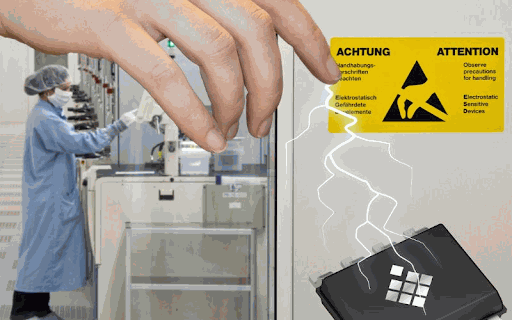
Static electricity not only disrupts operations but also directly affects profitability and workplace safety. Below are some common impacts:
Reduced print quality: Surface charges attract dust, paper fibers, and small particles to the print surface, leading to defects such as: Ink streaking caused by uneven ink distribution, White spots formed when dust prevents ink adhesion, Blurred or unclear images
Production interruptions and increased defect rates: Electrostatic attraction causes sheets of paper or plastic film to stick together, leading to paper jams. Film rolls may misalign, stacking becomes difficult, and packaging processes slow down.
Workplace safety risks: At very high voltage levels, static electricity can cause electrostatic discharge (sparking). While rare, in environments using volatile solvents or printing inks, this can create a serious fire or explosion hazard. Static discharge may also cause minor electric shocks to machine operators, affecting concentration, comfort, and overall safety.
Static Elimination (Ionizing) Devices – The Optimal Solution for Packaging and Printing
The most effective way to neutralize surface charges is by using specialized ionizing devices. These systems generate airflow containing balanced positive and negative ions to neutralize existing charges on materials.
Common static elimination devices include:
Ionizing Bars
Ionizing bars are the most widely used solution and are typically installed at the entry and exit points of printing machines. They neutralize static charges on film or paper before printing and after exiting the machine, effectively eliminating static during cutting or labeling processes.
Ionizing bars are commonly used with gravure printers, flexographic printers, laminating machines, sheet cutters, and stacking machines.
Ionizing Air Guns & Nozzles
These devices allow operators to actively target specific areas to remove dust while neutralizing static on finished products. They are mainly used for:
Cleaning printing molds
Removing static from small components before packaging
Maintenance of hard-to-reach areas
Ionizing Air Blowers & ESD Mats
This combination provides comprehensive protection for workstations:
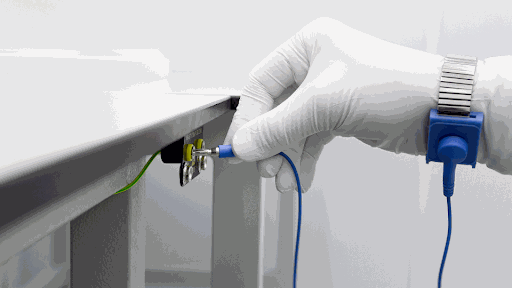
ESD Mats safely discharge static from conductive objects placed on the surface through grounding systems, minimizing the risk of electrostatic discharge damage.
Ionizing Blowers neutralize airborne static charges and are especially effective for insulating or non-metallic materials within the airflow zone.

Investing in ionizing static eliminators ensures smooth operations and delivers significant economic benefits, including: enhanced product quality with cleaner printing surfaces, sharper images, and dust-free packaging; increased productivity by drastically reducing paper jams and machine downtime, allowing equipment to run at higher speeds; cost savings on materials and ink by minimizing defects; and improved workplace safety by reducing the risk of electrostatic shocks or fire hazards.
With these practical advantages, static control equipment is essential for optimizing production processes in the printing and packaging industries. By selecting and installing the right ionizing devices tailored to specific needs, materials, and production scales, businesses can effectively eliminate the harmful effects of static electricity.
Contact EMIN today for expert consultation on the most suitable static elimination solutions for your business. Let us help you build a production environment that is safe, efficient, and committed to premium product quality.