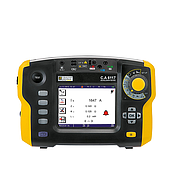
A low-voltage phase tester is an electrical inspection instrument used to determine the phase relationship between live conductors. Phase checking confirms whether two or more conductors have a consistent phase relationship. This check is especially important when electrical lines are interconnected or when equipment is prepared for parallel operation.
For electrical teams, phase verification supports informed decisions before connections are made. An incorrect phase connection may lead to equipment issues and create safety risks for personnel. A low-voltage phase tester therefore has a focused role: it helps operators evaluate phase relationships rather than replacing all other electrical safety checks.
What Is a Low-Voltage Phase Tester Used For?
The primary purpose of a low-voltage phase tester is phase determination on low-voltage lines. The source material identifies 220 V and 380 V lines as examples of low-voltage applications. By comparing voltage signals, the instrument helps indicate whether the conductors being checked are in the expected phase relationship.
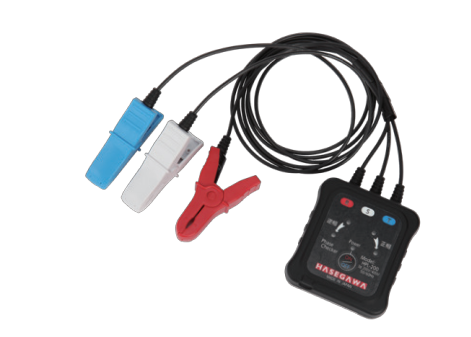
This type of testing can be relevant during electrical maintenance, equipment overhauls, and grid renovation work. It may also be considered before interconnecting circuits or placing equipment into parallel operation. In each case, the test result should be considered within the site’s approved work process and electrical safety procedures.
Factors That Can Affect Phase-Checking Results
Reliable phase checking depends on more than selecting an instrument. The condition of the tester, the surrounding environment, and the way it is used can all influence the result.
Signal accuracy
A phase tester works by capturing and analyzing voltage signals. Clear, accurate signal handling supports a more dependable phase assessment. When selecting an instrument, users may consider whether it offers stable operation and is suitable for the intended low-voltage application.
Electromagnetic interference
Complex electromagnetic conditions can affect readings. This can be particularly relevant near high-voltage equipment, where surrounding signals may interfere with measurement. When practical, measurements should be taken in an area with less interference. Site-specific shielding measures may also be considered when required by the work environment.
Operating consistency
Even a properly maintained instrument can produce questionable results if it is used incorrectly. Operators should read the applicable instructions, understand the approved procedure, and practice only in a safe environment. Consistent methods help reduce avoidable errors during phase verification.
Condition of the circuit under test
Unexpected readings may also relate to the line being tested. If a result does not align with expectations, the tester’s condition, operating method, surrounding interference, and the circuit itself should all be reviewed rather than relying on a single assumption.
Good Practices for Using a Low-Voltage Phase Tester
Regular calibration and maintenance help keep an instrument in suitable working condition. Users should follow the relevant instructions for inspection, maintenance, and any calibration requirements. Before work begins, it is also important to confirm that the tester is appropriate for the electrical system and task at hand.
Phase testing should be performed by trained personnel who understand the instrument’s operating procedures. Appropriate personal protective equipment, including insulating gloves and insulating shoes where required, is an important part of electrical work safety. The work area, conductor condition, and potential environmental interference should be assessed before measurements are taken.
A low-voltage phase tester is primarily intended for phase determination. Although it can detect voltage signals, it should not automatically be treated as the primary means of establishing whether a conductor is live. A dedicated voltage detector may be used alongside phase-testing work as part of a broader safety approach.
Choosing a Suitable Low-Voltage Phase Tester
Choosing a low-voltage phase tester starts with matching the instrument to the intended voltage level and task. Low-voltage and high-voltage phase testers are designed for different application ranges, so the distinction matters. A tester intended for low-voltage lines should not be assumed suitable for higher-voltage work.
Key considerations include measurement accuracy, operational stability, ease of use, safety, and the availability of clear operating guidance. Maintenance needs and the conditions of the intended work site should also be considered. For example, a location with significant electromagnetic activity may require closer attention to interference when planning measurements.
Frequently Asked Questions
How does a low-voltage phase tester differ from a high-voltage phase tester?
The main distinction is the applicable voltage level. Low-voltage phase testers are used for low-voltage phase measurement, while high-voltage phase testers are intended for higher-voltage applications.
Why might a phase tester show an inaccurate result?
Possible causes include inadequate calibration, incorrect operation, external electromagnetic interference, or an abnormality in the line being tested. Reviewing each of these factors can help determine the next appropriate action.
Can phase testing improve electrical work safety?
Phase testing can support safer electrical work by helping trained operators verify phase relationships before relevant connections or operations. It should be used together with approved procedures, suitable protective equipment, and other required electrical checks.