

2026年05月06日 08時36分44秒
What materials can cable cutters cut, and what precautions should be taken when using them? A detailed analysis of common cable types will help you choose the right tool and minimize blade damage.
What materials can cable cutters cut, and what precautions should be taken when using them? A detailed analysis of common cable types will help you choose the right tool and minimize blade damage.
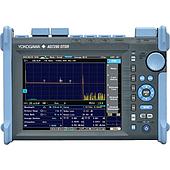
During fiber optic installation and troubleshooting, technicians sometimes encounter a strange situation: the OTDR displays a massive reflection spike indicating a cable break or severe fault, yet when they inspect the reported location, the fiber is completely intact. In some cases, the indicated fault even appears beyond the physical length of the cable itself.

Can cable cutters with chipped blades be sharpened? A guide to proper home repair, identifying the extent of damage, and knowing when to replace them
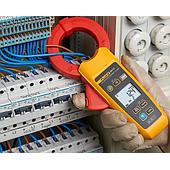
In modern industrial electrical panels, RCCBs or ELCBs are increasingly tripping unexpectedly even when the system appears to be operating normally. In many cases, the issue persists despite using a leakage current clamp meter, performing insulation resistance tests, and even replacing the residual current circuit breaker itself.
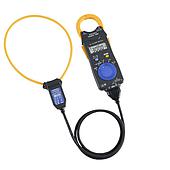
When choosing a clamp meter, most users tend to focus on the measurement range, CAT safety rating, or brand reputation. However, one of the most critical factors affecting measurement quality actually lies in the design of the clamp jaw itself.
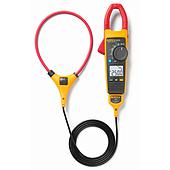
A CAT IV clamp meter does not guarantee absolute safety if the environment contains high transient voltage spikes or if the measurement procedure is not performed correctly. In many cases, the real danger is not the voltage displayed on the screen, but extremely short voltage surges capable of generating arc flash and destroying the instrument within microseconds.

In the modern world, noise pollution has become a growing concern. To avoid distracting background sounds, white noise is considered an effective solution for improving sleep and concentration.

In environmental noise reports or technical specifications of household appliances, we often encounter the figure 50dB. But in reality, does a 50dB noise level cause discomfort or affect health?

In daily life as well as industrial production, noise is increasingly becoming a serious form of environmental pollution. It silently has negative impacts on human hearing and the nervous system.

In real industrial operations, owning an expensive infrared thermometer does not automatically guarantee accurate readings. Measurement errors rarely stem from sensor quality; instead, they often arise from a mismatch between the device and the physical properties of the surface being measured. Engineers need to look beyond the basics and understand the underlying barriers related to wavelength and optics—factors that are rarely addressed in general documentation.
数量割引、まとめ買い価格の更新、新製品情報をメールでお届けします。
登録することで、当社の利用規約およびプライバシーポリシーに同意したものとみなされます。
認定専門家へ直接アクセス