In alum-contaminated water, indicators such as pH or suspended solid concentration often do not meet the requirements according to regulations of the Ministry of Health. To be able to effectively treat water, the first step to take is to accurately determine the pH of the water source. In the article below, EMIN will explain this issue to have a timely and appropriate solution!
Water contaminated with alum and pH
The pH index plays a role in assessing the level of pollution and quality of water sources. For alum-contaminated water, the pH often does not meet the allowed standard, leading to many potential problems. So what is alum water and how does its pH affect it? When the pH in alum-contaminated water does not meet standards, how can this cause many harmful effects on health and daily activities?

What is alum contaminated water?
Alum-contaminated water contains high levels of heavy metal ions, such as iron Fe2+ and manganese Mn2+. Identifying alum-contaminated water is quite easy. When you see the water is yellow brown, cloudy, accompanied by an unpleasant fishy odor and sometimes sour taste, it is a clear sign of alum contaminated water. The stronger the fishy smell, the higher the iron ion content in the water. In addition, when water is exposed to air for a period of time, you will see a layer of yellow-brown precipitate floating on the surface, which is also a sign that the water is contaminated with alum.
Cause of alum water contamination
The main cause of alum water often stems from the soil characteristics of the area. Iron ions in groundwater are naturally formed deep underground. In addition, long-term surface water pollution also contributes to negatively affecting groundwater quality.
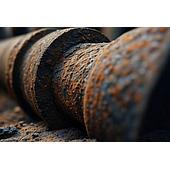
Using alum-contaminated water can directly affect human health, increasing the risk of diseases such as dermatitis, allergies, and digestive system problems. In severe cases, it can also lead to cancer. Not only that, alum-contaminated water also affects daily activities, causing damage to household items. Alum water is corrosive, rusting and leaving yellow stains on utensils. Clothes washed with this water are also susceptible to fading, becoming rough and quickly damaged.
pH index in water
The pH index is calculated based on the logarithm of the concentration of H+ ions in water. Theoretically, the pH of water ranges from 0 to 14.
– Water with pH < 7: acidic
– Water has pH = 7: neutral
– Water with pH > 7: alkaline (basic)
In domestic or drinking water, the safe pH is between 6.5 and 8.5. Measuring pH helps evaluate the effects of chemical components in water, especially on the corrosivity of pipes and metal water storage devices. A pH that is too low or too high can dissolve heavy metals in water, causing harm to health and affecting the taste of water. Accurate determination of pH also helps choose effective and appropriate methods of treating polluted water.
What is the pH of alum water?
Alum-contaminated water causes many negative impacts on health as well as daily life. When water quality is not guaranteed, costs for medical treatment and home appliance repair also increase.
To answer the question "What is the pH of alum water?", we need to understand that the pollutants in alum water make it acidic. Therefore, alum-contaminated water often has a pH below 7. However, there is no fixed pH value for all alum-contaminated water sources, because the content of dissolved ions in water varies between regions. Normally, the pH of alum-contaminated water ranges from 5 to 6.5. The higher the level of alum contamination, the lower the pH.
How to determine the pH in alum-contaminated water?
– Using purple litmus paper: This is a simple and very low cost method to measure pH. Just dip the litmus paper into the water source. If the paper turns red, it indicates the water is acidic. You can compare the paper color with the color chart to estimate the pH value. However, purple litmus paper can only determine the acidic nature of water and cannot give the exact pH value in alum-contaminated water.
– Use a pH meter: pH meters are available on the market at many different prices. You just need to put the pen's probe in water, after a short time, the pH value will display on the pen's LCD screen. This is a popular method thanks to its convenience and speed. However, to get accurate results, you need to choose a quality pen and follow the instructions for use.
How to treat alum water with substandard pH?
Most alum-contaminated water sources often have a pH lower than clean water standards, so effective treatment solutions are needed to remove alum and other pollutants in water. Currently, many consumers believe in using upstream domestic water filtration systems and RO water purifiers for their families.
These devices can treat alum and remove many other pollutants such as toxic chemicals, heavy metals and harmful microorganisms. At the same time, they also help increase pH to a safe level and significantly improve the taste of water, providing clean and safe water for health.