Is a closed office really 100% clean?
According to the US Environmental Protection Agency (EPA), “Indoor air can be more polluted and sometimes even more harmful than outdoor air.”
In Vietnam, most office buildings are built in a closed architectural style. The air inside is rarely circulated, gradually becoming stuffy and suffocating.
Factors causing air pollution in the office
In addition to fine dust, toxic gases or chemical vapors are things that have a negative impact on health. Even familiar objects around you can be sources of pollution: printers, photocopiers, carpets, industrial furniture with layers of glue and paint, or seemingly harmless cleaning agents. All can emit volatile compounds that gradually accumulate in the air.
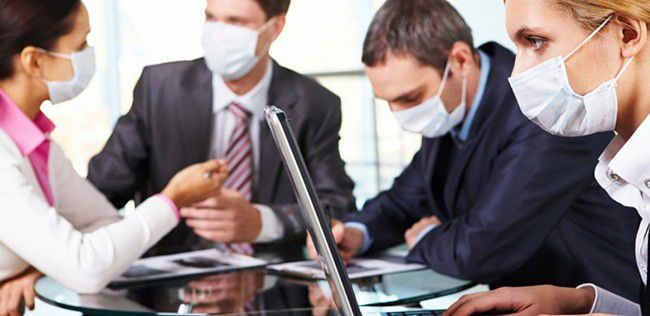
That's not all. Daily human activities also contribute to making the space stuffy: cigarette smoke, food odors from breakfast, lunch, even body odor... all mix together, silently affecting the health of everyone in the room.
If the office is not cleaned properly, health will decline.
Of the 25 occupational diseases covered by insurance, 18 are related to air quality. The World Health Organization (WHO) also confirmed that, if we consider the decreasing mortality rate, indoor air pollution is the leading factor.

A closed, comfortable working environment but lacking in freshness, lacking natural light, and using many devices or objects that emit toxic substances... all of these are reasons that make you susceptible to many diseases typical of office workers.
Increased susceptibility to disease
In a confined space, just one sick person can increase the risk of infection in the entire room. If someone is sick but still has to come to work, they can unwittingly spread germs to their colleagues.
A study on the impact of workplace hygiene found that simply keeping the office clean can reduce sick days by up to 12.5% and significantly improve work performance.
Reduced productivity
Psychology is also strongly affected by an unclean environment. People are prone to negative reactions when working in an unsanitary space. A clean, tidy place will reduce the number of sick days, creating a more positive working spirit.
Research also shows that if the office is kept airy and clean, work productivity can increase by 62% and the ability to concentrate by 65% compared to a polluted environment. On the contrary, creativity, cognitive ability and work efficiency will all decrease if working in poor quality air.
More than 97% of employees admit that office conditions are the top factor in how much their company values them. A spacious, clean and airy workspace not only helps protect health, but also demonstrates professionalism and respect for each person's ability.
What should be prioritized to keep the working space clean?
Fortunately, many businesses have begun to pay more attention to this issue and proactively seek solutions to improve the working environment.
One of the most effective ways is to use air purifiers. Brands such as Sharp, Bohmann or Fujie have been chosen by many offices thanks to their ability to filter fine dust, remove bacteria, viruses and pathogens, and limit the risk of cross-infection in crowded environments.

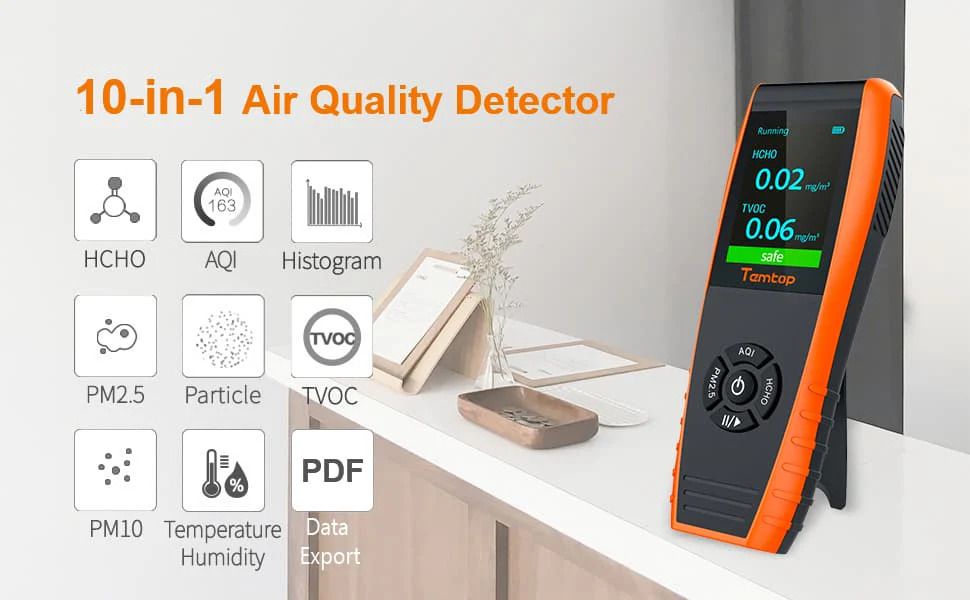
In addition, to know exactly what the air quality is, buying an indoor air quality meter is also a good option. EMIN is currently distributing measuring devices from reputable brands such as Elitech, Temtop, Daihan, UNI-T... to help businesses monitor PM2.5, PM10 dust index and other environmental parameters in real time.
The suggestion for you is Temtop LKC-1000S+ 2nd, a product currently distributed by EMIN. With just over 4 million devices, this device can simultaneously measure many important indicators such as PM2.5, PM10 fine dust, CO₂, TVOC levels and temperature-humidity. When the air is fresh and clean, employees will feel more comfortable, their working spirit will also be more refreshed and focused.
EMIN is ready to bring an ideal, fresh and safe working space!