
What Is a Nail Gun?
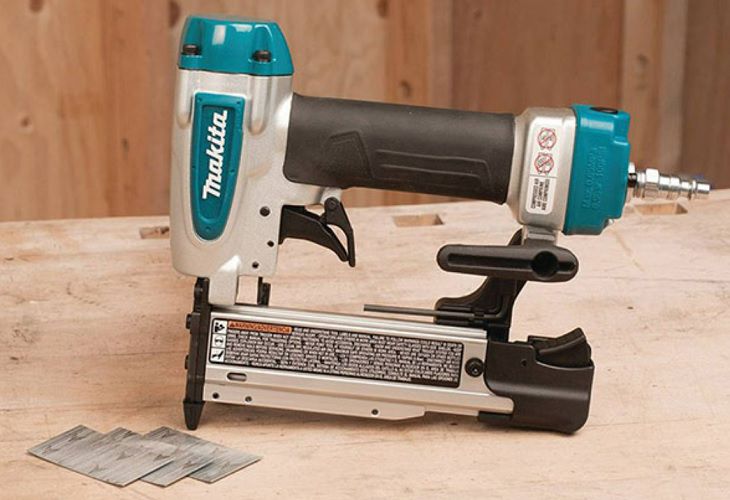
A nail gun is a specialized tool used to drive nails directly into the surface of materials using compressed force, typically from pneumatic pressure or an electric motor. The two most common types are pneumatic nail guns and battery-powered nail guns. Each type is suited to different working environments, such as construction sites, manufacturing workshops, woodworking shops, or assembly lines. The materials involved may include wood, fiber cement boards, thin metal sheets, roofing panels, or lightweight concrete.
When Should You Use a Nail Gun?
Nail guns are commonly used when the workload is heavy, precision is required, and speed is crucial. Some practical situations include:
- Assembling wooden frames, flooring boards, or formwork at construction sites
- Attaching roofing sheets or securing fiber cement boards in lightweight construction
- Mounting accessories to walls or ceilings during interior work
- Quickly connecting thin metal or aluminum parts in manufacturing
- Mass production of pallets, wooden crates, or furniture in workshops
Benefits of Using a Nail Gun
Using a nail gun provides several clear advantages in construction and manufacturing:
-Faster operations: Nails are driven quickly without needing to swing a hammer or judge the force manually
-Higher productivity: One person can complete multiple times more work than by using hand tools
-Reduced fatigue: Minimal physical effort is needed, ideal for long working hours
-Consistent and secure nailing: Nail placement is uniform and stable, improving structural integrity and reducing the risk of loosening
-Labor-saving: One operator using a nail gun can perform tasks that would otherwise require multiple workers with hammers
Drawbacks of Using a Nail Gun
Despite its high efficiency, nail guns still have some points to note:
High initial investment cost: The price of specialized machines and nails is not cheap, especially for high-end models.
Depending on supporting equipment: Pneumatic models need air compressors, battery models need to be properly charged.
Not suitable for all materials: Cannot be used on brittle, easily broken, or super hard materials.
Skill requirements: Users need to know how to operate properly to ensure safety and efficiency.
Similarities and Comparisons of Nail Guns
There are many types of nail guns and they are divided according to their structure and operating principles. Some common types often found in construction and manufacturing work include:
- Pneumatic nail guns: Operate with compressed air, suitable for jobs that require strong thrust, often used in carpentry, pallet making, prefabricated house frames.
- Non-pneumatic nail guns: Do not need to be connected to an air compressor, convenient when mobility and flexibility are required, often used for interior construction workers or in difficult-to-operate positions.
- Concrete nail gun: Specially designed to work with hard surfaces such as concrete or brick walls, strong shooting force, good load capacity.
- Pneumatic staple gun: For light assembly work, such as packing cartons, covering sofas, or fixing thin materials to wooden surfaces.
Each type of gun has its own strengths and comes with certain limitations. Choosing the right equipment depends on the nature of the work, material thickness, shooting force requirements as well as convenience when operating.
How to Use a Nail Gun
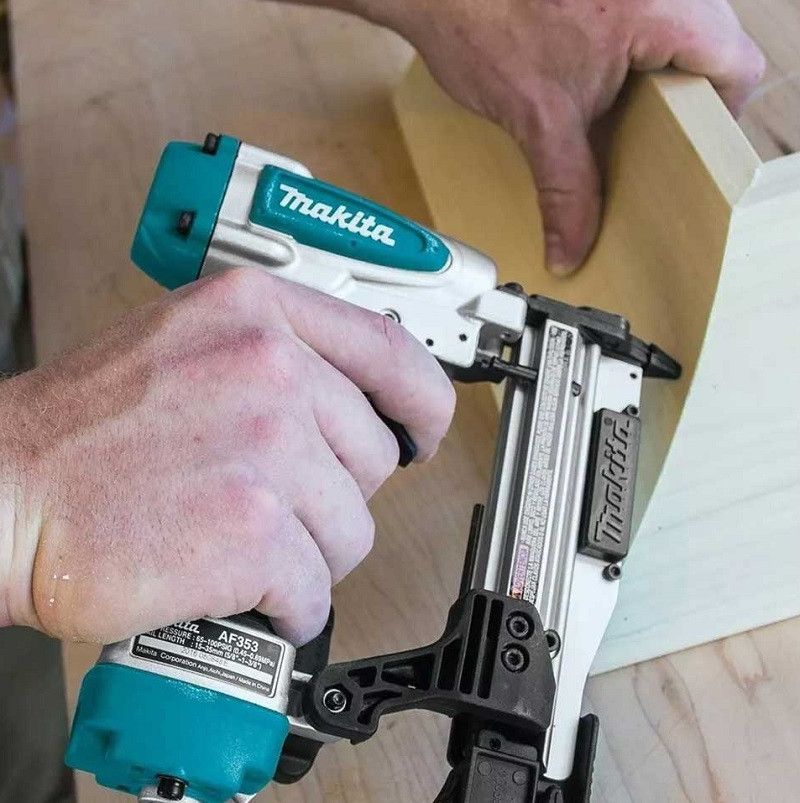
To use a nail gun safely and effectively, follow these steps:
1. Determine the type of gun to use based on the material you are working with, such as wood, thin steel or concrete.
2. Check the equipment before operating: Make sure the gun is in good working order, with no air leaks or stuck nails.
3. Protective equipment: Always wear safety glasses and gloves to prevent the nail from kicking back or material from flying out.
4. Correct gun position: The gun must be placed close to and perpendicular to the surface to be shot. If tilted, the nail may be misaligned or not firmly attached.
5. Operate at the correct pressure: Do not increase the pressure arbitrarily because it may break the nail or cause an accident.
6. Avoid using near electrical sources, gas tanks, flammable areas or closed spaces without ventilation.




