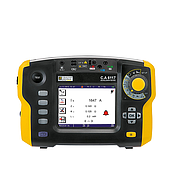
A switch parameter tester is used to assess the operating behavior of power switching equipment, including circuit breakers, isolating switches, and associated switchgear. By collecting data during opening and closing operations, it gives qualified maintenance and test personnel a structured basis for reviewing equipment condition and identifying results that may require further investigation.
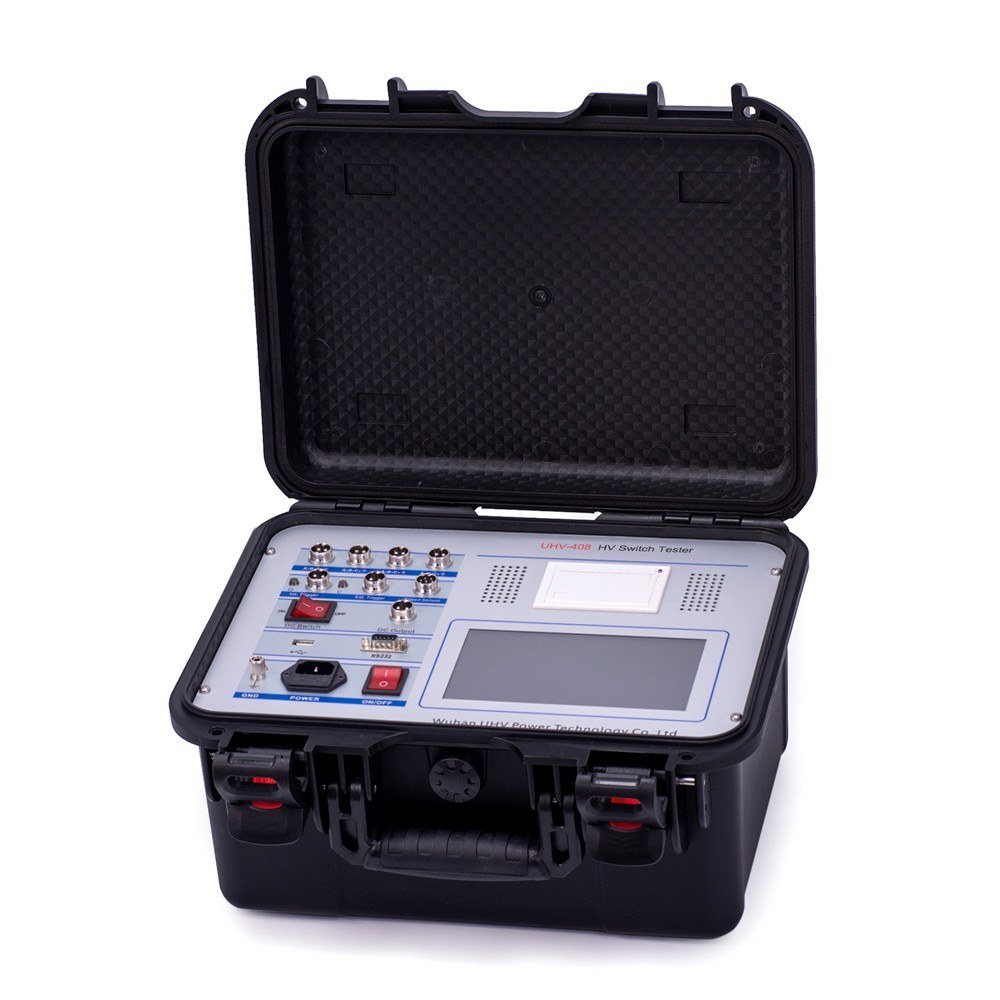
In power systems, switching operations are closely tied to equipment continuity and personnel safety. A test instrument does not replace safety procedures or engineering judgment, but it can support a more consistent evaluation of how a device performs during operation. This makes switch parameter testing relevant during commissioning, scheduled maintenance, troubleshooting after abnormal operation, and equipment acceptance activities.
What does a switch parameter tester evaluate?
A switch parameter tester is designed to measure and analyze selected electrical and mechanical characteristics of switching equipment as it opens or closes. The exact functions and applicable measurements depend on the instrument and the switch type being evaluated.
Common areas reviewed during testing can include:
- Opening and closing operation time
- Operating speed
- Contact bounce time
- Coil-related energy characteristics
- Contact and operating behavior during a switching sequence
These results help users compare observed operation with the requirements or reference values applicable to the equipment being tested. A single reading should be interpreted in context. Equipment history, the test configuration, operating conditions, and other diagnostic results can all affect a maintenance decision.
Why switchgear parameter testing matters
Switchgear is expected to perform a defined action when commanded. If the behavior of a switching mechanism changes, a detailed test can help reveal an issue before it becomes a larger maintenance concern. For example, an unusual operating time or speed result may prompt a closer review of the mechanism, connections, or test setup.
The value of a switch parameter tester lies in repeatable data collection. Rather than relying only on a visual inspection, maintenance teams can document switching behavior and review trends across inspection intervals. This approach can support condition assessment when used alongside relevant procedures and complementary tests.
Factors that can influence test results
Accurate, useful measurements depend on more than the tester itself. Before drawing conclusions from a report, personnel should consider the complete test environment and the condition of the equipment.
Environmental conditions
Temperature and humidity can influence measurement conditions. Recording the conditions present during testing can make later comparisons more meaningful, particularly when results are reviewed over time.
Test leads and connections
Correct cable selection and secure connections are essential. Test leads should be connected according to the instrument instructions and the applicable procedure. Cable length, material, routing, and connection quality may affect signal quality, so the setup should be checked before the test begins.
Operator consistency
A standardized process improves comparability. Qualified operators should understand the equipment, configure the tester for the relevant switch type, and follow the required safety and test procedures. Clear records of settings and connections also support later review.
Condition of the equipment under test
The cleanliness, mechanical condition, and tightness of relevant connections on the switchgear can affect the test situation. If a result appears abnormal, the test arrangement and equipment condition should be reviewed before a fault conclusion is made.
A practical switch parameter testing workflow
Testing should be performed only by personnel authorized for the work and in accordance with applicable electrical safety requirements. High-voltage environments require controlled work practices and attention to hazards.
- Plan the test: Confirm the switch type, the required measurements, the operating condition to be evaluated, and the applicable reference criteria.
- Prepare and connect: Isolate and prepare the equipment as required by the work procedure. Connect test leads correctly and verify the selected tester settings.
- Run the measurement: Initiate the required switching sequence. The tester records the configured operating data during the event.
- Review the report: Check the collected values, test conditions, and any unexpected patterns. Compare results with the appropriate equipment requirements or established maintenance references.
- Decide on follow-up: Where results need further attention, consider inspection, repeat testing, maintenance actions, or additional diagnostic methods as appropriate.
Using results with other diagnostic methods
A switch parameter tester provides one view of switchgear condition. A more complete assessment may combine its findings with other relevant tests, such as insulation resistance testing or contact resistance testing. Combining results can help teams avoid relying on one measurement alone and can provide a broader understanding of equipment status.
Regular calibration and maintenance of the tester are also important to maintaining confidence in its measurements. Test records should identify the instrument used, the configuration, the conditions, and the equipment being tested so results can be reviewed consistently in future maintenance cycles.
How to choose a switch parameter tester
Selection begins with the equipment to be tested. Consider whether the intended application involves circuit breakers, vacuum circuit breakers, SF6 circuit breakers, isolating switches, or other switchgear. The required voltage level, measurement functions, reporting needs, and accuracy requirements should also be defined before selecting an instrument.
For electronics manufacturing and power equipment applications, it is useful to choose a tester that aligns with the documented testing process used by the organization. The instrument instructions, compatible accessories, and the competence of the testing team are all part of a dependable implementation.
Frequently asked questions
When should switchgear receive detailed parameter testing?
Detailed testing may be considered before newly installed equipment enters service, during scheduled maintenance, after abnormal operation, and as part of a planned inspection program.
Can a switch parameter tester diagnose every switchgear fault?
No. It measures selected operating parameters and helps identify results that deserve review. A complete diagnosis may require inspection and other appropriate electrical tests.
What is the most important safety consideration?
Testing must follow applicable electrical safety rules and site procedures. Personnel should be appropriately qualified, and the test area must be controlled for the hazards involved.
Why keep historical test records?
Historical records make it easier to compare measurements over time, recognize changes in switching behavior, and support informed maintenance planning.