So how to protect electronic devices in prolonged wet weather conditions? The article below will share with you!
It is necessary to well control the temperature in the house
Have you ever noticed that on drizzly, humid days, electronic devices in the house are more likely to have problems than usual?
To prolong the life of your equipment and keep it operating reliably in these harsh weather conditions, controlling indoor temperature and humidity is key. The ideal temperature level should not exceed 35°C, and humidity should be maintained between 60-70% to avoid affecting the microchip and sensitive components.
Avoid bedrooms in the house where electronics are stored
Avoid placing electronic devices in damp areas, especially speakers, TVs, and computer cases. Do not place it directly on the tile floor or close to the wall, because these are places where moisture can easily penetrate, affecting internal components.
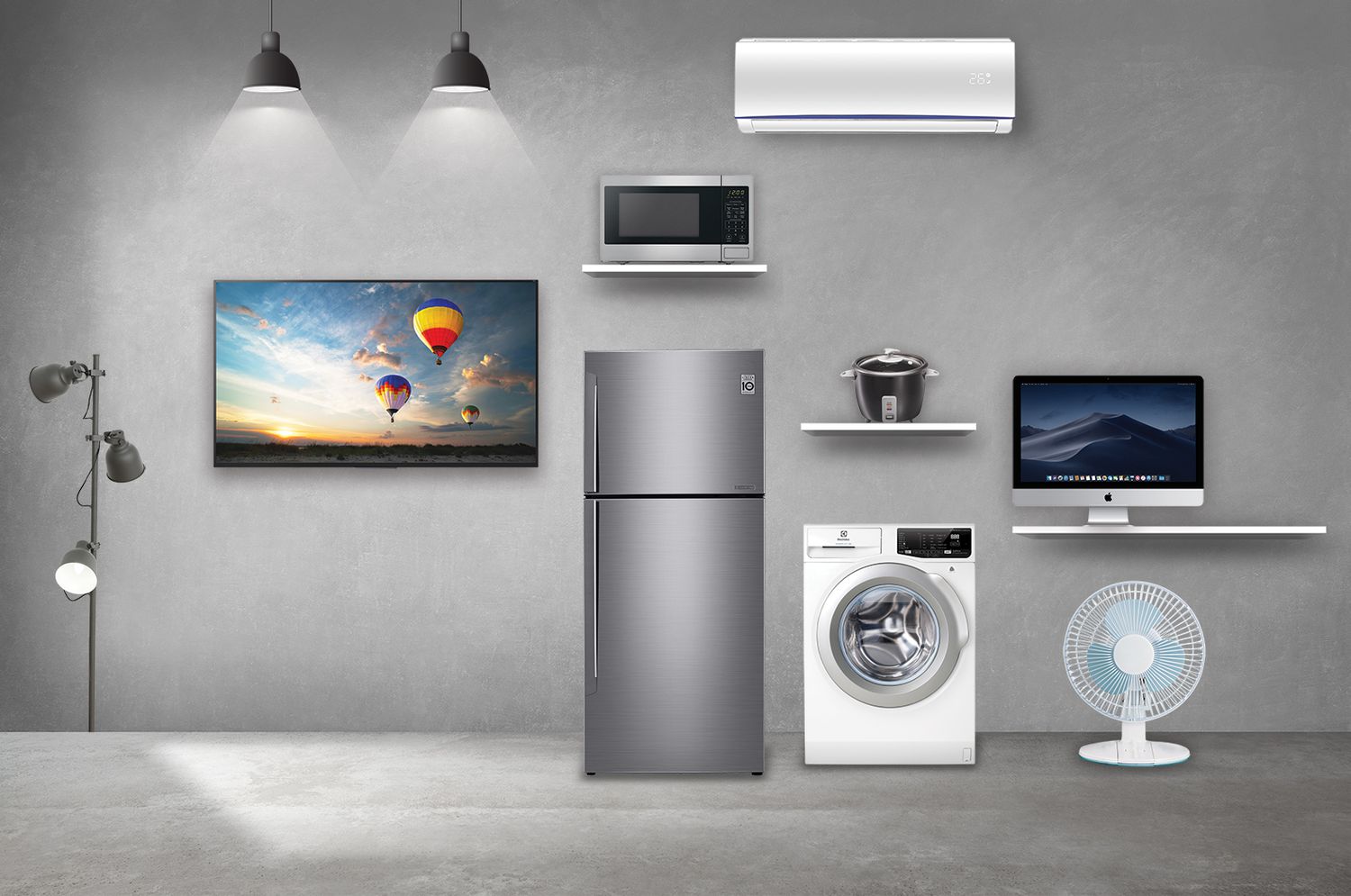
If not used regularly, the device should be stored in a dry, well-ventilated place, avoiding areas with high humidity to limit the risk of damage. Spaces such as upstairs or areas less affected by humidity will help protect equipment better.
Regularly clean, dry, and dehumidify
High humidity can easily cause connectors, metal joints or screws to rust. Therefore, it is necessary to regularly dry it. If there are signs of rust, you can use a rag soaked in alcohol to clean. With detachable devices, you can use a blow dryer on a low setting to avoid heating and damaging the components.
Air conditioning with dehumidifying mode is also a solution to help keep the environment dry. For small devices, they can be placed in a box with a dehumidifying package or use a specialized dehumidifying cabinet, depending on needs and budget.
Pay special attention to cameras and lenses
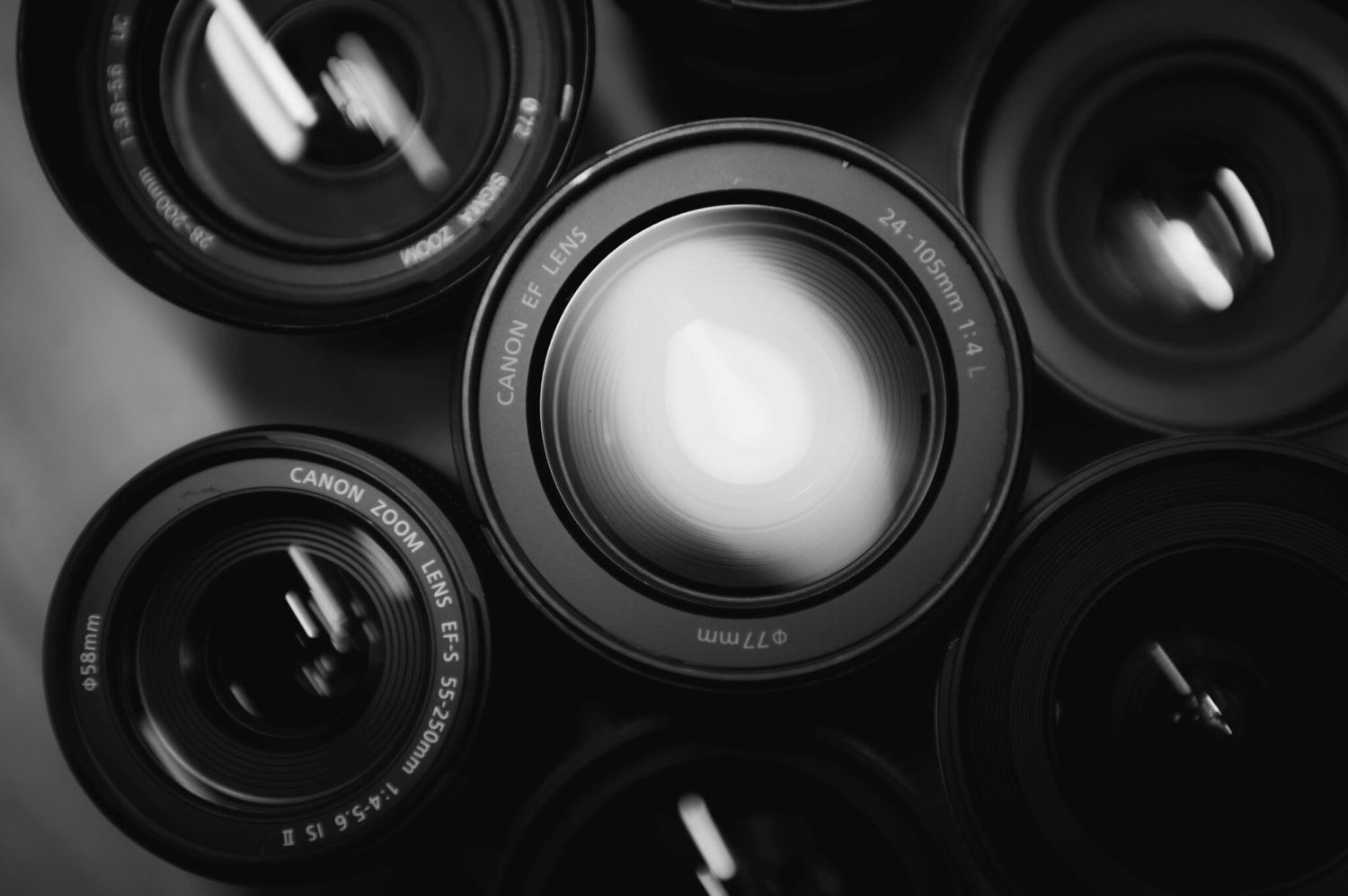
Unlike other equipment that can be dried when slightly damp, lenses and cameras, if not stored properly, can be damaged immediately. Lenses left in a humid environment for a long time are susceptible to mold and bamboo roots, causing photo quality to decline, and subsequent cleaning also affects the "zinc" of the device. Moisture also directly affects the viewfinder system and mirror flip mechanism, causing the machine to function significantly worse.
Reference: Should I use a moisture-proof cabinet for my camera?
Invest in a moisture-proof cabinet for long-term use
If you own a camera, lenses, or other important electronic devices, investing in a dehumidifying cabinet is a worthwhile consideration. Opt for a large-capacity model to store not only cameras but also documents, phones, and laptops, ensuring protection against moisture-related damage.
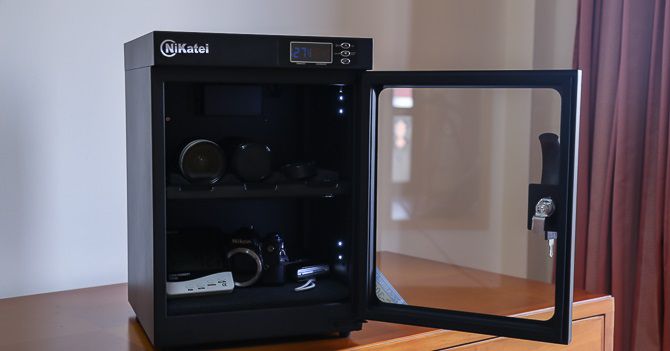
The humidity level inside the cabinet should be maintained at 30 - 35% to prevent mold growth and corrosion on components. However, excessively dry conditions should be avoided, as they can affect mechanical parts such as rubber rings, seals, and the internal lubrication system, potentially impacting the durability and performance of the device.
Reasons why moisture-proof cabinets are the right investment
Mold can appear anywhere when there is enough moisture and oxygen, especially on materials such as wood, paper, carpet, food, electronic components or cameras. If not properly maintained, microchips and important devices can be damaged by mold invasion.
To prevent this, humidity control is essential. Using equipment such as dehumidifiers and moisture-proof cabinets helps maintain a dry environment, prevent mold growth and protect electronic equipment over time.