Before starting the machine
Before starting the machine, make sure you are holding the device firmly and have good control over the blowing direction. Absolutely avoid directing the hot air stream towards people, crowded areas or materials that are easily deformed under high temperatures.
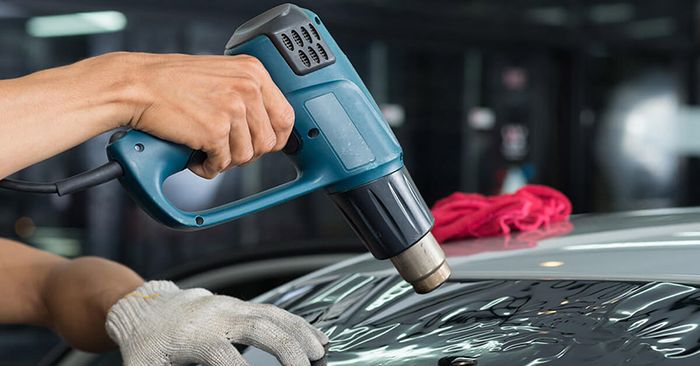
Another important point is to not let the hot air stream come into direct contact with electrical equipment, as the risk of fire or explosion is very high. When turning on the machine, wait patiently for about 2 - 4 minutes for the device to stabilize and reach the desired temperature before using.
Don't forget to wear protective gear to ensure safety.
Before starting to use the hot air blower, you need to fully equip yourself with the necessary protective accessories. Wearing a mask helps limit the inhalation of toxic gases generated during the blower process, protecting your health.
In addition, glasses are indispensable items, helping to prevent dust and debris from entering the eyes, ensuring work safety. A pair of heat-insulated gloves is also very important to avoid the risk of burns when exposed to high temperatures.
Pay attention to the distance when heating.
The distance between the nozzle and the material surface plays an important role in temperature control and efficiency. Depending on the material type, machine capacity and desired melting level, you need to adjust the appropriate distance.
Read the user manual carefully to know the recommended parameters of the device. Normally, a safe distance is about 30 cm, but you can flexibly adjust it further or closer to achieve the best efficiency for your work.
Adjust temperature, air flow and torch head appropriately
Choosing the right temperature, air flow and torch head is an important factor in optimizing the efficiency of the hot air blower. Avoid concentrating high temperatures on one location for too long, as this can deform the surface of the material.
In addition, cooling too quickly can also cause sudden expansion, affecting the quality of the material. Therefore, you need to adjust the temperature, air speed and choose the right torch head for each type of material to achieve the best results.
Determine the correct welding point and material type
Before starting, clearly identify the material to be heated to set the appropriate temperature, air flow and torch head. This helps to limit the risk of damaging the material as well as ensuring safety during the operation.
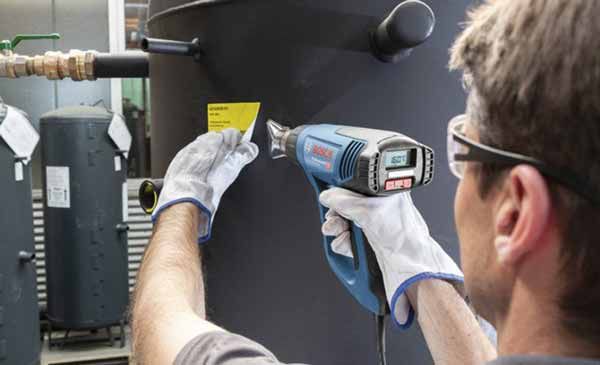
Once the material has been selected, accurately identifying the point to be heated will help the process to be carried out quickly, save time and optimize the performance of the device.
Make sure the torch head is always clear.
When using and storing the hot air blower, avoid covering the torch head. This not only reduces the performance of the machine but can also cause damage, reduce the life of the motor and even cause danger during use. To ensure safety and maintain the durability of the device, always keep the torch head clear, allowing the hot air to circulate steadily.
See related articles: Benefits of using hot air blower
Allow the machine to cool completely before storing.
After use, the machine still retains a very high temperature, so absolutely do not touch the torch head directly to avoid burns. Let the machine cool completely in a dry, cool place before cleaning.
When the machine has cooled, use a dry cloth to wipe off the dust on the outside, then place the machine in the included storage box. Storing the machine in a high, dry place away from moisture not only helps protect the device but also maintains its durability and performance for a long time.