Therefore, when learning about short circuits, it's important not only to understand the concept but also to know the known signs and how to test the circuit when a fault occurs.
What is a short circuit and why does the current surge suddenly?
A short circuit occurs when current does not follow the original design path of the circuit but instead follows a shorter path with very low resistance.
In a normal circuit, current flows through loads such as light bulbs, fans, pumps, or other electrical devices. These devices create a certain resistance to limit the current to a safe level.
However, when two conductors touch each other directly, or a phase wire touches the neutral wire or ground, the circuit's resistance drops to almost zero. At that point, the current surges dramatically in an instant.
This sudden surge causes the conductors to heat up very quickly. If the protection system does not activate in time, the heat generated can burn the insulation or damage electrical equipment in the circuit.
In modern electrical systems, circuit breakers or automatic switches are installed to detect abnormal current surges and immediately cut off the power supply when a short circuit occurs.
Other electrical phenomena: What is voltage drop? Why does voltage drop and how to handle it in electrical systems?
Common causes of short circuits in electrical systems
Short circuits rarely occur spontaneously. Most stem from fairly common problems during the use of electricity.
One of the most common causes is damage to the insulation of the wires. After prolonged use, the insulation can crack, deteriorate, or be gnawed by rodents. When the conductor core is exposed and comes into contact with another wire, a short circuit is very likely to occur.
Internal electrical faults can also cause short circuits. For example, faulty sockets, switches, or household appliances can create short circuits when power is supplied.
Additionally, humid environments reduce the insulation capacity of wires. Electrical wires placed outdoors or in areas exposed to water, if not properly protected, are more prone to leakage and short circuits.
Another common cause is prolonged overloading of the electrical system. When conductors carry currents exceeding their design capacity, the temperature of the wires increases and the insulation can deteriorate over time. Once the insulation is broken, the risk of a short circuit is very high.
Signs that indicate a short circuit in the electrical circuit
In many cases, the electrical system will show some warning signs before a serious incident occurs.
The most obvious sign is the circuit breaker tripping repeatedly as soon as the power is switched on. This indicates that the protective device is detecting an abnormal current in the circuit.
Other signs may include a burning smell coming from the socket or wires, especially when the insulation begins to heat up.
Electrical devices may also shut off suddenly or fail to start if the short circuit is in the device's power supply line.
In more serious incidents, you may hear small popping noises or see sparks at the point of the short circuit.
These signs indicate that the electrical system needs immediate inspection to avoid the risk of fire or explosion.
How to check for short circuits in an electrical system
When a short circuit is suspected, the inspection should be carried out step-by-step to ensure safety.
First, check the electrical panel or main switchboard. If the circuit breaker trips immediately upon being switched on, there is a high probability of a short circuit. In this case, turn off all electrical devices before continuing the inspection.
Next, you can directly observe the wires, sockets, and switches for signs such as burnt wires, cracked insulation, or loose connections.
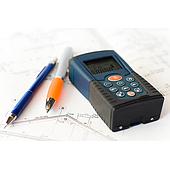
In practice, technicians often use multimeters to quickly check electrical circuits. Measuring devices from Hioki, Kyoritsu, or Fluke can measure voltage, resistance, or check for continuity to identify short circuits in the system.
When measuring the resistance of a circuit and the value is close to zero while the device is powered off, this is usually an indication of a short circuit.
How to reduce the risk of short circuits in electrical systems
While it's impossible to completely eliminate the risk, some simple measures can significantly reduce the likelihood of electrical short circuits.
First, choose wires with a cross-sectional area suitable for the load capacity to prevent overheating.
The electrical system should also be divided into multiple branches with separate circuit breakers so that only a portion of the circuit is affected in case of a fault.
In addition, regular inspections of the electrical system are also very important, especially for wires that have been in use for many years.
These simple measures can help the electrical system operate more stably and reduce the risk of short circuits.
Câu hỏi thường gặp về ngắn mạch
Is a short circuit the same as an electrical fault?
In practice, these two concepts are often used interchangeably. "Electrical fault" is the common term in everyday life, while "short circuit" is a technical term.
Does a tripped circuit breaker always mean it's due to a short circuit?
Not necessarily. A circuit breaker can trip due to overload, leakage current, or a short circuit. Further testing is needed to determine the exact cause.
Can a short circuit cause an electrical fire?
Yes. When the current surges suddenly, the heat generated can burn the insulation of the wires and cause a fire.
Should you try to repair a short circuit yourself?
If you lack electrical experience, it's best to have a technician inspect it to ensure safety.