What is low voltage electricity?
Low-voltage electricity is an electrical system with a low voltage level, below 1.1 kV according to Vietnamese standards. In practice, low-voltage electricity usually operates at 220 V and 380 V, supplying power to households, offices, shops, small workshops, and public lighting systems.
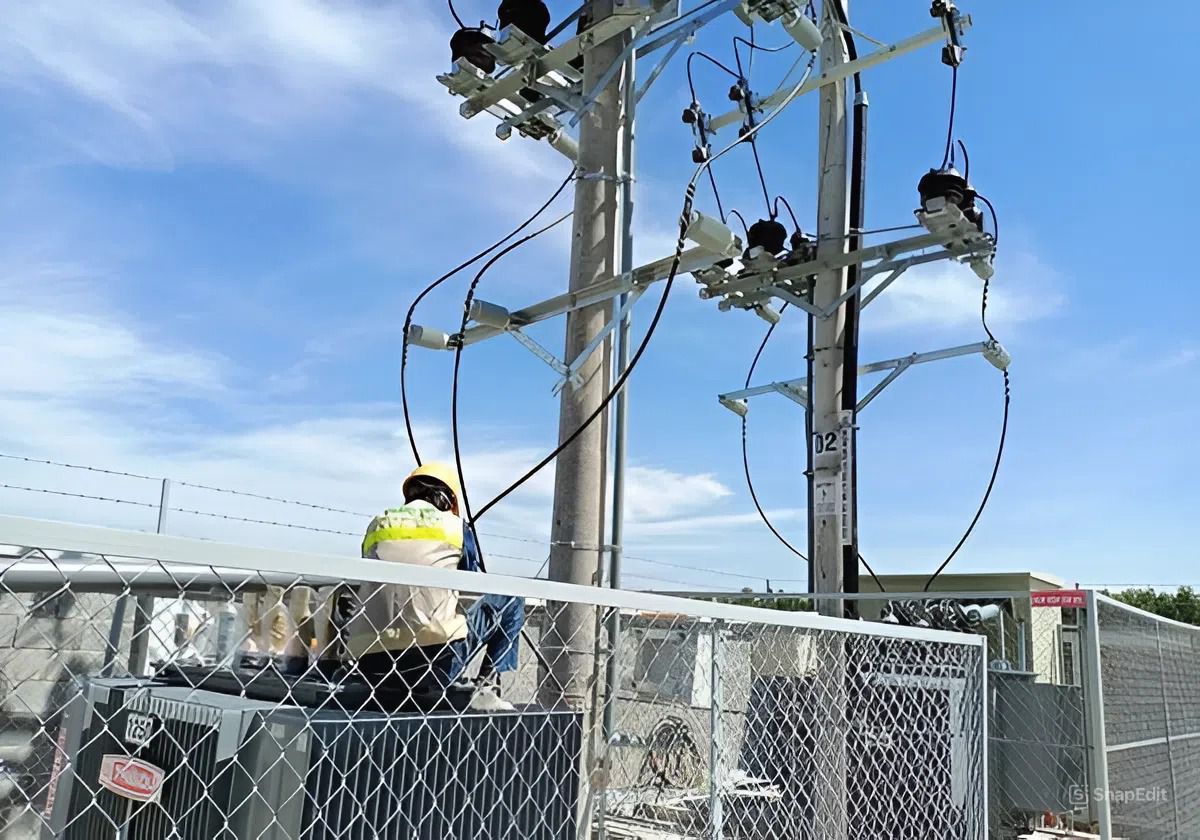
Low-voltage electrical systems typically use insulated wires, twisted-pair cables, or PVC-coated cables, installed on concrete poles or underground depending on the area. Compared to medium and high voltage electricity, low-voltage electricity has a lower level of danger but still poses risks if safety regulations are not properly followed.
Safe distance for low voltage electricity
According to applicable electrical safety regulations, overhead low-voltage power lines must maintain a minimum distance from people and surrounding structures to minimize the risk of electrical contact and discharge.
The minimum safe distance for low-voltage power lines is 0.3 m from the conductor to a person or object. This is the smallest limit for the electrical safety protection corridor; no residences or construction works should be located within this area.
At locations where low-voltage power lines intersect with roads, the distance from the lowest point of sag of the conductor to the road surface must be at least 4.5 m. This regulation aims to ensure the safety of vehicles and road users.
At intersections with operating railways, the safe distance at the lowest point of sag of the low-voltage power line must be 7.5 m or more, combined with the discharge distance according to technical standards.
On inland waterways, safe distances are determined by the clearance height of the channel, ensuring that no collisions occur between vessels and power lines.
Some safety regulations to note.
Construction projects located near low-voltage power lines must not have awnings, balconies, or metal structures that violate the electrical safety corridor. When repairing, renovating, or adding floors to a building, the distance from the existing power lines must be re-checked.
The safe distance for insulated conductors is usually greater than 1 meter. For bare conductors without insulation, the minimum safe distance required is 2 meters.
Organizations and individuals using equipment or means that damage power lines are liable for compensation and will be subject to legal penalties, depending on the severity of the violation.
Testing and measuring low voltage in practice.
To ensure the stable and safe operation of low-voltage electrical systems, regular voltage and current checks are necessary, especially in areas with frequently changing loads.
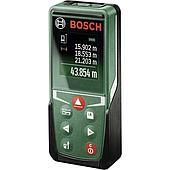
Some of the low-voltage electrical measuring devices currently distributed and used by EMIN include:
Digital multimeters are used to measure low-voltage voltage and quickly check the condition of power sources, such as the Hioki DT4256 or Kyoritsu 1109S. These devices effectively meet the needs for measuring AC and DC voltage in residential and light industrial electrical systems.
Low-voltage clamp meters allow for load testing without interrupting the circuit, suitable for maintenance and quick testing, such as the Hioki 3280 10F or Kyoritsu 2002PA. These models are widely used due to their stability and simple operation.
Conclude
Low-voltage electricity is a familiar voltage level, but one cannot be complacent during its use and installation. Strictly adhering to safe distances from low-voltage power lines and regularly inspecting the system with appropriate measuring equipment are crucial factors in minimizing accidents and protecting people and property.