Power Distribution Network design must deliver power precisely and reliably to modern electronic systems. The principal challenges identified for a PDN are noise, instability, and inappropriate capacitor selection, all of which can compromise system performance and contribute to device failures.
Vector Network Analyzers (VNAs) can support PDN work from the early design stages through development. Their role is to help engineers identify potential issues so instability and other faults can be addressed or prevented.
Summary: PDN design is vulnerable to noise, instability, and unsuitable capacitor choices. These issues can affect performance and may lead to failures. VNA-based analysis helps reveal potential problems during design and development.
What is the main challenge in Power Distribution Network design?
The main challenge is achieving precise, reliable power delivery in an electronic system. A PDN must be designed with attention to conditions that can disrupt power delivery, including noise and instability.
This is not only a concern for a system that already shows a fault. PDN design decisions made early in development can affect whether potential issues are identified before they compromise performance.
Why can noise and instability affect a PDN?
Noise and instability can compromise the performance of an electronic system because they interfere with reliable power delivery. The source material identifies both as important PDN issues and links unresolved issues to the risk of device failures.
For this reason, a PDN should be considered as part of the system’s overall performance rather than as an isolated power-related detail. Identifying a potential source of noise or instability gives the design team information to evaluate the power distribution system before faults become more significant.
Why does capacitor selection matter in a power distribution system?
Inappropriate capacitor selection is identified as a PDN design problem that can compromise performance and lead to failures. It should therefore be evaluated alongside noise and instability when engineers assess the power distribution system.
The available information does not specify capacitor values, types, placement rules, or target measurements. It does establish that capacitor selection is a relevant design consideration, rather than a choice that should be separated from PDN behavior.
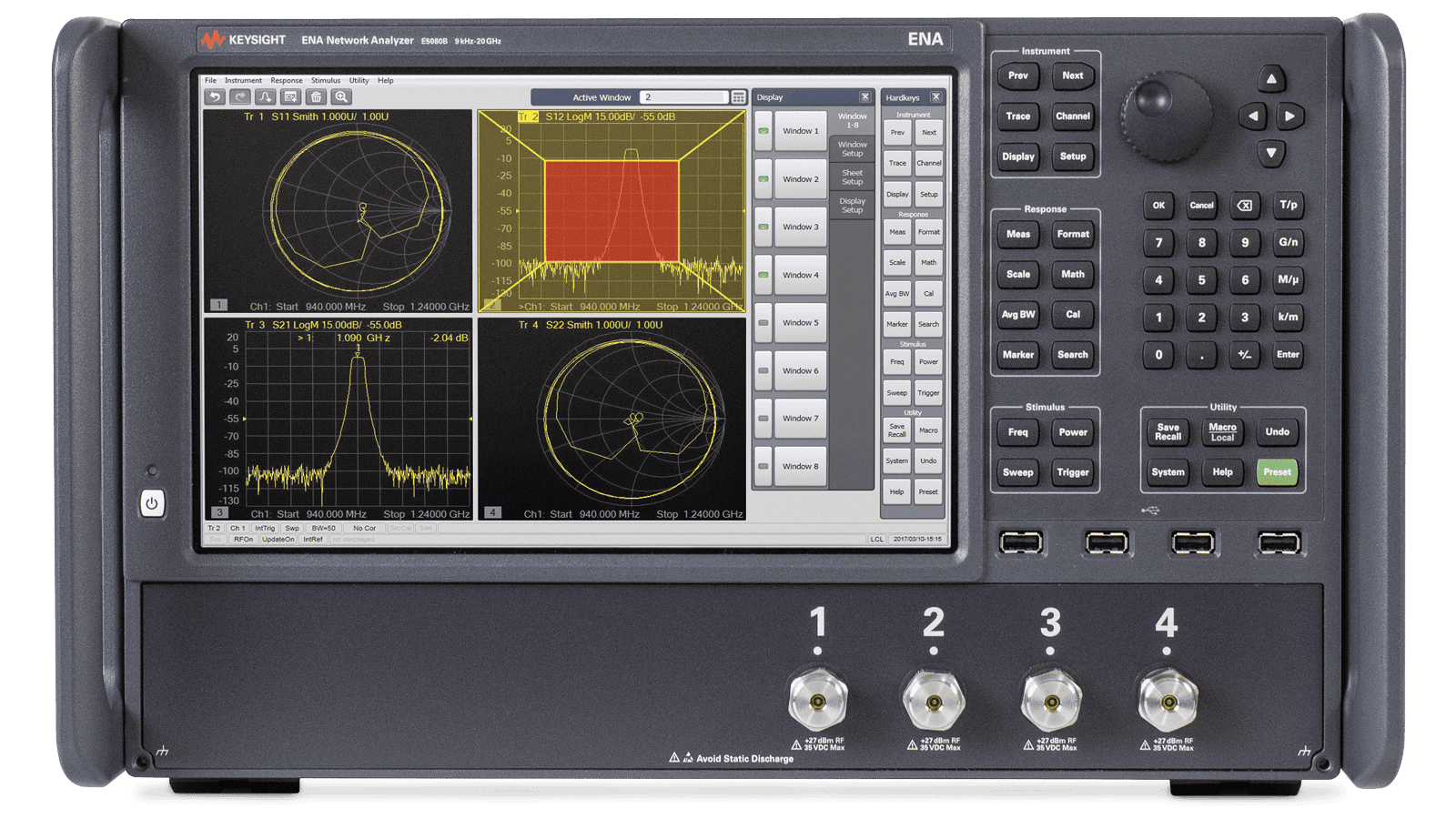
When should a Vector Network Analyzer be used for PDN work?
A Vector Network Analyzer can be used from the early stages of design and throughout development. Using analysis early helps engineers look for potential PDN issues before the design process is complete.
The same approach can also support work on an existing problem. The source describes analyzers as useful both for resolving current issues and for designing advanced electronic systems, so their value is not limited to one point in a product’s lifecycle.
How does a VNA help engineers address PDN issues?
A VNA helps by providing analysis that can identify potential issues in the power distribution system. This insight can be used to investigate conditions associated with instability or other faults and to support decisions intended to improve the design.
The relevant benefit is not simply using an instrument, but applying its analysis during the design and development process. This gives engineers a basis for examining PDN concerns while there is still an opportunity to address them.
Can VNA analysis help with both troubleshooting and new design?
Yes. The source explicitly presents analyzer use as applicable to both resolving existing problems and designing advanced systems. In each case, the objective is to gain the precision and insight needed to optimize the power distribution design.
For an existing issue, analysis can help identify a potential PDN-related concern. For a new design, it can help engineers assess potential concerns from the beginning and continue that assessment through development.
What outcome should engineers seek from PDN analysis?
The intended outcome is a more robust power distribution design with fewer risks from instability and other faults. Reliable power delivery remains the central goal, while analysis supports the identification of issues that could otherwise compromise system performance.
The provided information does not define a universal measurement target or a specific pass/fail criterion. It does support a clear process principle: use advanced analysis to identify potential PDN concerns early and continue using it as the design develops.