포장 재료
Reliable packing materials do more than close a box or seal a bag. In production, warehousing, laboratories, maintenance areas, and shipping operations, the right material helps protect parts, improve handling, reduce contamination risk, and keep outbound goods consistent from one batch to the next. This is especially important when packaging needs to support both daily throughput and safe storage.
Packing Materials in this category cover practical solutions such as sealing equipment and different tape types used across industrial and commercial workflows. Whether you need heat sealing for plastic bags, electrical insulation tape for support tasks, waterproof silicone tape, or double-sided tape for fixing and assembly support, choosing the right format depends on the material being packed, the working environment, and the expected duty cycle.

Where packing materials fit in everyday operations
In B2B environments, packaging is rarely an isolated step. It is closely connected to product handling, temporary protection, identification, storage, and shipment preparation. A simple mismatch between bag type, adhesive performance, or sealing method can slow down operators and create avoidable rework.
This is why many buyers evaluate packing materials not only by size or price, but also by how they perform within the broader workflow. For example, a bag sealing process may be part of a small packing line, while adhesive tapes may support bundling, insulation, surface fixing, or moisture protection in maintenance and assembly areas. In related applications, buyers may also review categories such as connectors or circuit protection when packaging intersects with electrical handling and component safety.
Common product types in this category
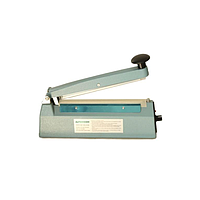
One key group is the bag sealing solution used to close plastic bags quickly and consistently. A representative example is the Automicom IP300S Mall Bag Heat Sealer, which is intended for heat sealing across different bag types with adjustable temperature settings. This kind of equipment is typically considered when users need repetitive sealing work over several hours rather than occasional manual closure.
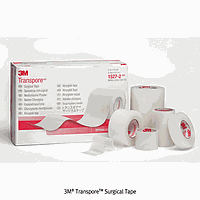
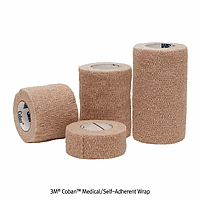
Another important group is adhesive and specialty tape. Within this category, examples include vinyl electrical tape, paper double-sided tape, waterproof silicone tape, and self-adherent wrap formats. Products such as Proskit MS-V001 VDE 1000V insulated tape, 3M Scotch 35 Vinyl Professional Grade Tape, 3M Scotch Super 33+ Vinyl Professional Grade Tape, and DaiHan DH.Tap6001 silicon tape illustrate how different tape constructions serve different tasks rather than one universal purpose.
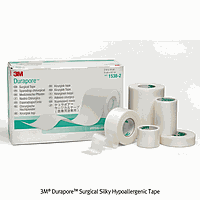
Some listed items also show that tape-related materials can extend beyond pure shipping use into lab, medical, or utility support applications. That matters for buyers who want one sourcing channel for multiple operational needs, from packaging and sealing to temporary fixing and protective wrapping.
How to choose the right sealing or tape solution
The first step is to define the substrate and use condition. If you are sealing plastic bags, the bag material, thickness, required seal width, and expected volume matter more than appearance. A heat sealer with adjustable levels can be useful when packaging materials vary and operators need to fine-tune the seal without changing machines frequently.
For tape selection, focus on the actual job: insulation, bundling, waterproofing, surface attachment, or temporary holding. Electrical tape, for example, should be chosen according to insulation requirements and working conditions, while double-sided tape is better suited to positioning or attachment rather than sealing a bag. Silicone tape may be a practical option when moisture resistance is important, while paper double-sided tape may fit lighter assembly or office-related applications.
It is also worth considering how packing materials interact with adjacent tools and consumables. Teams that perform frequent rework, cable preparation, or field servicing often purchase packaging and repair support items alongside kits and tools to keep handling tasks efficient.
Featured brands and what they represent
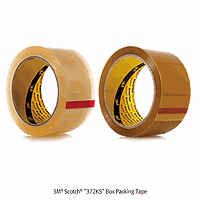
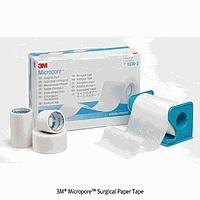
3M appears prominently in this category with several tape formats, including professional grade vinyl tape and double-sided paper tape. For buyers, this highlights the breadth of tape options available for different surface, insulation, and wrapping needs. Rather than treating all tape products as interchangeable, it is better to match each type to the intended use and operating conditions.
Proskit offers insulated tape options that are relevant when packaging support overlaps with electrical work. DaiHan contributes specialty tape for waterproof use cases, while Automicom adds equipment-oriented value through heat sealing. Together, these brands reflect the fact that packing materials can include both consumables and small equipment, depending on how the packaging process is set up.
Examples of use across industrial and commercial settings
In warehouses and fulfillment areas, heat sealers are often used for packing small parts, accessories, or retail-bound items in plastic bags before labeling and shipment. A unit such as the Automicom IP300S is relevant when repeatable seals and manageable operator workflow are more important than fully automated packaging.
In maintenance and electrical support work, vinyl insulated tape such as Proskit MS-V001 or 3M Scotch Super 33+ may be used for cable marking, temporary insulation support, or general utility wrapping, depending on site practice. Waterproof silicone tape such as DaiHan DH.Tap6001 may be considered in environments where moisture exposure is part of the operating condition.
In office, lab, or light assembly tasks, double-sided tape variants like 3M Tape 138 can support mounting, holding, or surface attachment where a fast adhesive solution is preferred over mechanical fastening. For broader sourcing needs around consumables and support materials, some buyers also explore other components or related utility items in the same procurement flow.
Practical buying considerations for B2B procurement
For recurring purchases, consistency is often more valuable than broad variety. Standardizing a few tape types for clearly defined jobs can simplify inventory control, reduce operator confusion, and improve purchasing efficiency. It also makes it easier to train teams on which materials are suitable for sealing, wrapping, insulation, or temporary fixing.
When evaluating a heat sealer, review the expected run time, power requirements, machine footprint, and the types of bags used in the actual process. When evaluating tapes, check dimensions, material type, and intended function instead of relying only on general product naming. This helps avoid selecting a tape that is technically adhesive, but not suited to the surface, environment, or handling load.
Procurement teams that manage packaging together with energy-dependent devices may also coordinate purchases with categories such as battery products when portable tools or backup devices are part of the operating setup.
Choosing packing materials that support workflow stability
The most effective selection usually comes from looking at the full process, not a single item in isolation. A heat sealer should match bag material and daily throughput, while tape should match the actual technical need, whether that is electrical insulation, waterproof wrapping, double-sided bonding, or general-purpose fixing.
This category brings together practical options from brands such as 3M, Proskit, DaiHan, and Automicom for businesses that need dependable packaging support materials. By choosing products based on application, environment, and handling method, buyers can build a more consistent packaging process with fewer interruptions and less waste.
인증된 전문가에게 직접 연결